Politicus
Björn Engholm
1939 - heden
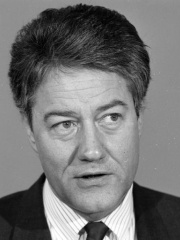
 Björn Engholm
Zijn biografie is beschikbaar in 16 verschillende talen op Wikipedia. Björn Engholm staat op plaats 15.994 onder de meest populaire politicus (gedaald van plaats 15.565 in 2024), plaats 5.105 onder de meest populaire biografieën uit Duitsland (gedaald van plaats 5.030 in 2019) en op plaats 1.234 onder de populairste politicus uit Duitsland.
Bekendheidsstatistieken
72k
Paginaweergaven
Afgelopen 12 maanden
54.20
HPI
Historische populariteitsindex
Data-inzichten
9 nov
Björn Engholm is jarig op dezelfde dag (9 november) als Edward VII, Muhammad Iqbal en Ivan Turgenev.
Paginaweergaven van Björn Engholm per taal
Onder Politicus
Onder Politicus staat Björn Engholm op plaats 15,987 van 19,576. Vóór hem staan Kashtiliash III, Serhiy Tihipko, Antonio Flores Jijón, Duncan Stewart, Ivan Calin, en Camilo Ponce Enríquez. Na hem komen Ludeca of Mercia, Luis Alberto Riart, Lewis Cass, Antimachus I, Hamdan bin Mohammed Al Maktoum, en Christian Estrosi.
Populairste Politicus op Wikipedia
Naar alle ranglijsten

Kashtiliash III
1600 BC - 1500 BC
HPI: 54.21
Plaats: 15,988
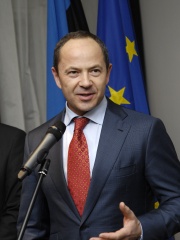
Serhiy Tihipko
1960 - heden
HPI: 54.21
Plaats: 15,989
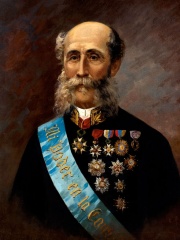
Antonio Flores Jijón
1833 - 1915
HPI: 54.21
Plaats: 15,990
Duncan Stewart
1833 - 1923
HPI: 54.21
Plaats: 15,991

Ivan Calin
1935 - 2012
HPI: 54.21
Plaats: 15,992
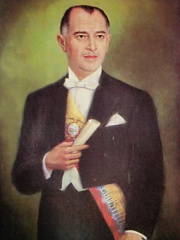
Camilo Ponce Enríquez
1912 - 1976
HPI: 54.20
Plaats: 15,993
Björn Engholm
1939 - heden
HPI: 54.20
Plaats: 15,994
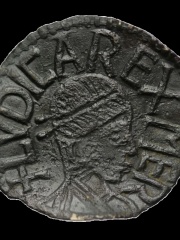
Ludeca of Mercia
800 - 827
HPI: 54.20
Plaats: 15,995
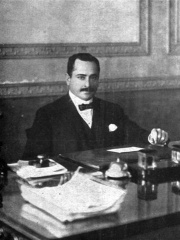
Luis Alberto Riart
1880 - 1953
HPI: 54.20
Plaats: 15,996
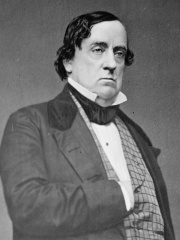
Lewis Cass
1782 - 1866
HPI: 54.20
Plaats: 15,997
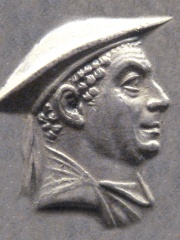
Antimachus I
200 BC - 160 BC
HPI: 54.19
Plaats: 15,998
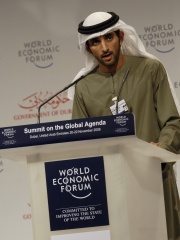
Hamdan bin Mohammed Al Maktoum
1982 - heden
HPI: 54.19
Plaats: 15,999
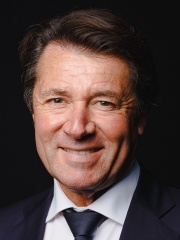
Christian Estrosi
1955 - heden
HPI: 54.19
Plaats: 16,000

Tijdgenoten
Onder de mensen geboren in 1939 staat Björn Engholm op plaats 488. Vóór hem staan Niels Helveg Petersen, Peter S. Beagle, Louise Lasser, Kate O'Mara, Elizabeth Ashley, en Anne Heggtveit. Na hem komen Héctor Salva, Robert Kramer, Gianfranco Leoncini, Gerry Goffin, Chris Dickerson, en Nicholas Grimshaw.
Anderen geboren in 1939
Naar alle ranglijsten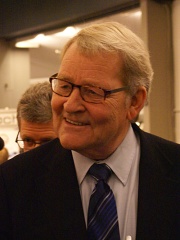
Niels Helveg Petersen
POLITICIAN
1939 - 2017
HPI: 54.33
Plaats: 482
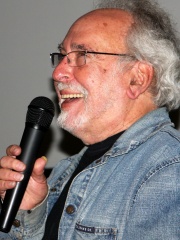
Peter S. Beagle
WRITER
1939 - heden
HPI: 54.32
Plaats: 483
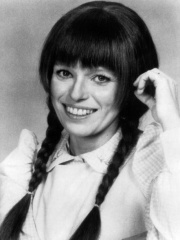
Louise Lasser
ACTOR
1939 - 2026
HPI: 54.29
Plaats: 484
Kate O'Mara
ACTOR
1939 - 2014
HPI: 54.25
Plaats: 485
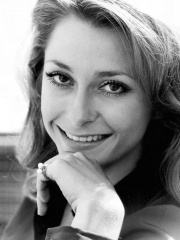
Elizabeth Ashley
ACTOR
1939 - heden
HPI: 54.24
Plaats: 486
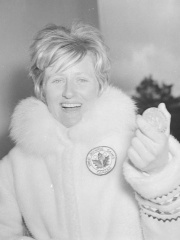
Anne Heggtveit
SKIER
1939 - heden
HPI: 54.23
Plaats: 487
Björn Engholm
POLITICIAN
1939 - heden
HPI: 54.20
Plaats: 488

Héctor Salva
SOCCER PLAYER
1939 - 2015
HPI: 54.20
Plaats: 489

Robert Kramer
FILM DIRECTOR
1939 - 1999
HPI: 54.18
Plaats: 490
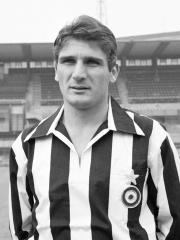
Gianfranco Leoncini
SOCCER PLAYER
1939 - 2019
HPI: 54.17
Plaats: 491
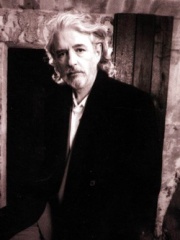
Gerry Goffin
SINGER
1939 - 2014
HPI: 54.16
Plaats: 492
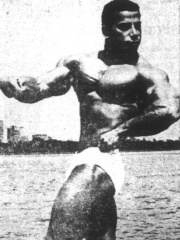
Chris Dickerson
ATHLETE
1939 - 2021
HPI: 54.15
Plaats: 493

Nicholas Grimshaw
ARCHITECT
1939 - 2025
HPI: 54.13
Plaats: 494
In Duitsland
Onder de mensen geboren in Duitsland staat Björn Engholm op plaats 5,105 van 7,253. Vóór hem staan Michael Bella (1945), Elmar Wepper (1944), Bernd Franke (1948), Kurt Hoffmann (1910), Rudolf Haag (1922), en Gunhild Hoffmeister (1944). Na hem komen Halil Altıntop (1982), Fredric Wertham (1895), Hans Schlegel (1951), Thomas Reiter (1958), Irmtraud Morgner (1933), en Wolfgang Seguin (1945).
Anderen geboren in Duitsland
Naar alle ranglijsten
Michael Bella
SOCCER PLAYER
1945 - heden
HPI: 54.22
Plaats: 5,099
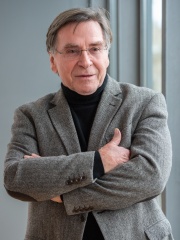
Elmar Wepper
ACTOR
1944 - 2023
HPI: 54.22
Plaats: 5,100

Bernd Franke
SOCCER PLAYER
1948 - heden
HPI: 54.22
Plaats: 5,101

Kurt Hoffmann
FILM DIRECTOR
1910 - 2001
HPI: 54.21
Plaats: 5,102
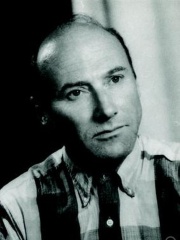
Rudolf Haag
PHYSICIST
1922 - 2016
HPI: 54.20
Plaats: 5,103
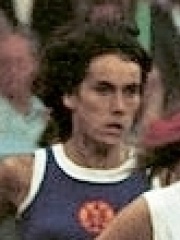
Gunhild Hoffmeister
ATHLETE
1944 - heden
HPI: 54.20
Plaats: 5,104
Björn Engholm
POLITICIAN
1939 - heden
HPI: 54.20
Plaats: 5,105
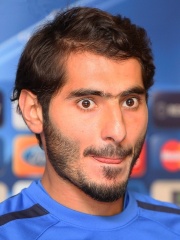
Halil Altıntop
SOCCER PLAYER
1982 - heden
HPI: 54.19
Plaats: 5,106
Fredric Wertham
WRITER
1895 - 1981
HPI: 54.19
Plaats: 5,107
Hans Schlegel
ASTRONAUT
1951 - heden
HPI: 54.18
Plaats: 5,108
Thomas Reiter
ASTRONAUT
1958 - heden
HPI: 54.18
Plaats: 5,109
Irmtraud Morgner
WRITER
1933 - 1990
HPI: 54.18
Plaats: 5,110
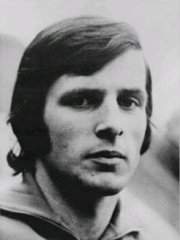
Wolfgang Seguin
SOCCER PLAYER
1945 - heden
HPI: 54.17
Plaats: 5,111
Onder Politicus in Duitsland
Onder Politicus geboren in Duitsland staat Björn Engholm op plaats 1,234. Vóór hem staan Christine Lambrecht (1965), Norbert Blüm (1935), Frank Schwalba-Hoth (1952), Friedrich Christoph Dahlmann (1785), Norbert Walter-Borjans (1952), en Eduard David (1863). Na hem komen Hans Eichel (1941), Peter Altmaier (1958), Julia Klöckner (1972), Michael Glos (1944), Hanns Seidel (1901), en Lothar Späth (1937).
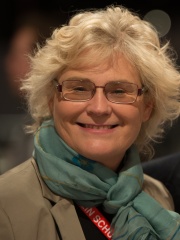
Christine Lambrecht
1965 - heden
HPI: 54.41
Plaats: 1,228
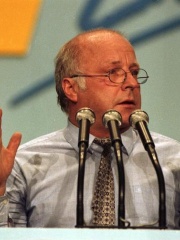
Norbert Blüm
1935 - 2020
HPI: 54.35
Plaats: 1,229

Frank Schwalba-Hoth
1952 - heden
HPI: 54.32
Plaats: 1,230
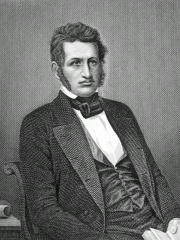
Friedrich Christoph Dahlmann
1785 - 1860
HPI: 54.29
Plaats: 1,231
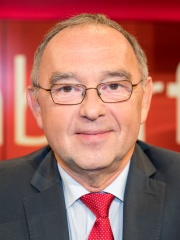
Norbert Walter-Borjans
1952 - heden
HPI: 54.28
Plaats: 1,232
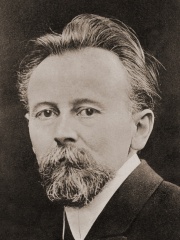
Eduard David
1863 - 1930
HPI: 54.27
Plaats: 1,233
Björn Engholm
1939 - heden
HPI: 54.20
Plaats: 1,234
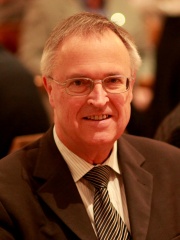
Hans Eichel
1941 - heden
HPI: 54.17
Plaats: 1,235

Peter Altmaier
1958 - heden
HPI: 54.14
Plaats: 1,236
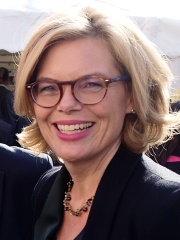
Julia Klöckner
1972 - heden
HPI: 54.07
Plaats: 1,237
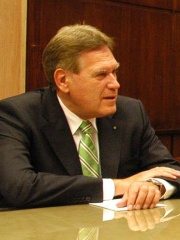
Michael Glos
1944 - heden
HPI: 54.05
Plaats: 1,238
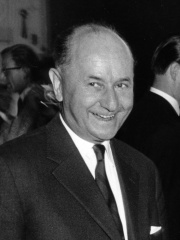
Hanns Seidel
1901 - 1961
HPI: 53.94
Plaats: 1,239
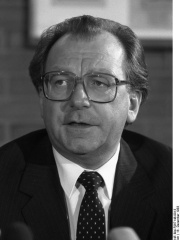
Lothar Späth
1937 - 2016
HPI: 53.89
Plaats: 1,240




