Religious Figure
Aulus Licinius Archias
1st century BC Greek writer
121 BC - 61 BC
EN.WIKIPEDIA PAGE VIEWS (PV)

 Aulus Licinius Archias
His biography is available in 16 different languages on Wikipedia. Aulus Licinius Archias is the 2,070th most popular religious figure (down from 1,667th in 2024), the 878th most popular biography from Türkiye (down from 793rd in 2019) and the 135th most popular Turkish Religious Figure.
Memorability Metrics
6.3k
Page Views
Past 12 months
60.41
HPI
Historical Popularity Index
Data Insights
16
Aulus Licinius Archias's biography spans 16 Wikipedia language editions and earns a Historical Popularity Index of 60.41.
Page views of Aulus Licinius Archias by language
Among Religious Figures
Among religious figures, Aulus Licinius Archias ranks 2,070 out of 3,189. Before him are Audomar, Abu Dujana, Filipe Neri Ferrão, Agnes Baden-Powell, Elia Dalla Costa, and Alfred Delp. After him are Frang Bardhi, Gregory VII of Constantinople, Bénézet, Ellen Church, Salvatore De Giorgi, and Juan Jesús Posadas Ocampo.
Most Popular Religious Figures in Wikipedia
Go to all Rankings
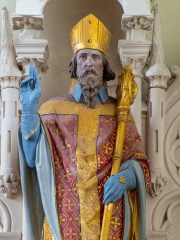
Audomar
600 - 670
HPI: 60.44
Rank: 2,064

Abu Dujana
HPI: 60.44
Rank: 2,065

Filipe Neri Ferrão
1953 - Present
HPI: 60.42
Rank: 2,066
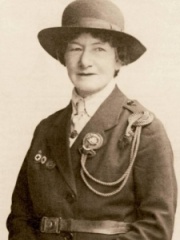
Agnes Baden-Powell
1858 - 1945
HPI: 60.42
Rank: 2,067
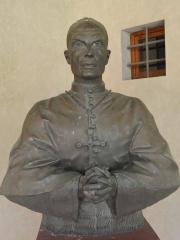
Elia Dalla Costa
1872 - 1961
HPI: 60.42
Rank: 2,068
Alfred Delp
1907 - 1945
HPI: 60.41
Rank: 2,069
Aulus Licinius Archias
121 BC - 61 BC
HPI: 60.41
Rank: 2,070
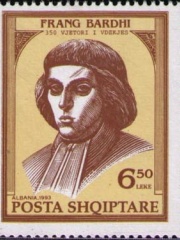
Frang Bardhi
1606 - 1643
HPI: 60.41
Rank: 2,071
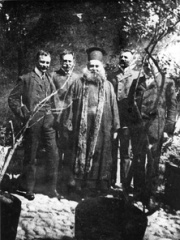
Gregory VII of Constantinople
1850 - 1924
HPI: 60.38
Rank: 2,072
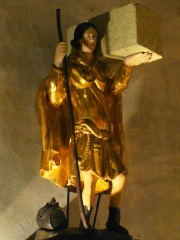
Bénézet
1165 - 1184
HPI: 60.38
Rank: 2,073

Ellen Church
1904 - 1965
HPI: 60.38
Rank: 2,074
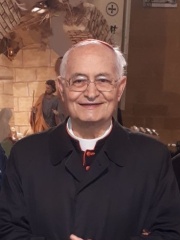
Salvatore De Giorgi
1930 - Present
HPI: 60.38
Rank: 2,075
Juan Jesús Posadas Ocampo
1926 - 1993
HPI: 60.36
Rank: 2,076

Contemporaries
Among people born in 121 BC, Aulus Licinius Archias ranks 1. Among people deceased in 61 BC, Aulus Licinius Archias ranks 1. After him are Orgetorix, and Quintus Marcius Rex.
Others Born in 121 BC
Go to all RankingsOthers Deceased in 61 BC
Go to all RankingsAulus Licinius Archias
RELIGIOUS FIGURE
121 BC - 61 BC
HPI: 60.41
Rank: 1
Orgetorix
POLITICIAN
HPI: 59.30
Rank: 2

Quintus Marcius Rex
POLITICIAN
150 BC - 61 BC
HPI: 55.44
Rank: 3
In Türkiye
Among people born in Türkiye, Aulus Licinius Archias ranks 878 out of 1,732. Before him are Michael Critobulus (1400), Parthenius of Nicaea (-1), Hierocles (200), Ino Anastasia (600), Saint Telemachus (301), and Fatma Aliye Topuz (1862). After him are Nausiphanes (-400), Cansu Dere (1980), Xanthus (-500), Ptolemy Epigonos (-300), Çetin Tekindor (1945), and Zabel Yesayan (1878).
Others born in Türkiye
Go to all Rankings
Michael Critobulus
POLITICIAN
1400 - 1467
HPI: 60.48
Rank: 872

Parthenius of Nicaea
WRITER
1 BC - 14
HPI: 60.47
Rank: 873

Hierocles
POLITICIAN
200 - 222
HPI: 60.47
Rank: 874
Ino Anastasia
POLITICIAN
600 - 593
HPI: 60.45
Rank: 875
Saint Telemachus
RELIGIOUS FIGURE
301 - 404
HPI: 60.44
Rank: 876
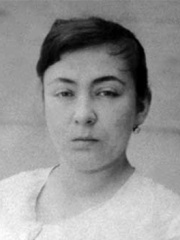
Fatma Aliye Topuz
WRITER
1862 - 1936
HPI: 60.44
Rank: 877
Aulus Licinius Archias
RELIGIOUS FIGURE
121 BC - 61 BC
HPI: 60.41
Rank: 878

Nausiphanes
PHILOSOPHER
400 BC - 400 BC
HPI: 60.41
Rank: 879

Cansu Dere
ACTOR
1980 - Present
HPI: 60.40
Rank: 880

Xanthus
WRITER
500 BC - 500 BC
HPI: 60.39
Rank: 881

Ptolemy Epigonos
POLITICIAN
300 BC - 259 BC
HPI: 60.38
Rank: 882

Çetin Tekindor
ACTOR
1945 - Present
HPI: 60.37
Rank: 883
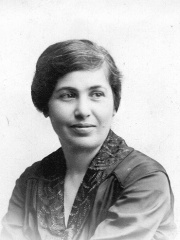
Zabel Yesayan
WRITER
1878 - 1943
HPI: 60.36
Rank: 884
Among Religious Figures In Türkiye
Among religious figures born in Türkiye, Aulus Licinius Archias ranks 135. Before him are Diodorus of Tarsus (400), Saint Pothinus (87), Photius II of Constantinople (1874), Dorotheus of Tyre (255), Hâfiz Osman (1642), and Saint Telemachus (301). After him are Eudoxius of Antioch (300), Alypius the Stylite (700), Arsenios Autoreianos (1200), Anthimus VI of Constantinople (1782), Theodore of Tarsus (602), and Ghevont Alishan (1820).

Diodorus of Tarsus
400 - 394
HPI: 60.77
Rank: 129
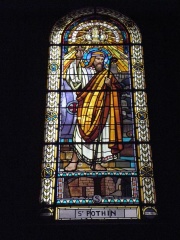
Saint Pothinus
87 - 177
HPI: 60.61
Rank: 130

Photius II of Constantinople
1874 - 1935
HPI: 60.59
Rank: 131
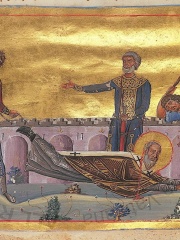
Dorotheus of Tyre
255 - 362
HPI: 60.54
Rank: 132
Hâfiz Osman
1642 - 1698
HPI: 60.52
Rank: 133
Saint Telemachus
301 - 404
HPI: 60.44
Rank: 134
Aulus Licinius Archias
121 BC - 61 BC
HPI: 60.41
Rank: 135

Eudoxius of Antioch
300 - 370
HPI: 60.27
Rank: 136

Alypius the Stylite
700 - 700
HPI: 60.21
Rank: 137

Arsenios Autoreianos
1200 - 1265
HPI: 60.19
Rank: 138
Anthimus VI of Constantinople
1782 - 1877
HPI: 60.12
Rank: 139
Theodore of Tarsus
602 - 690
HPI: 59.98
Rank: 140
Ghevont Alishan
1820 - 1901
HPI: 59.55
Rank: 141




