متطرف
Amparo Poch y Gascón
1902 - 1968
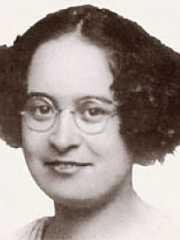
 Amparo Poch y Gascón
سيرتها الذاتية متاحة بـ16 لغة مختلفة على ويكيبيديا (زيادة من 15 في 2024). يحتل Amparo Poch y Gascón المرتبة 226 بين أكثر متطرف شعبيةً (تراجعًا من 225 في 2024)، والمرتبة 1,399 بين أكثر السير الذاتية شعبيةً في إسبانيا (تقدمًا من 1,501 في 2019)، كما يحتل المرتبة 4 بين أكثر متطرف من إسبانيا شعبيةً.
Memorability Metrics
12k
Page Views
Past 12 months
56.93
HPI
Historical Popularity Index
Page views of Amparo Poch y Gascón by language
Among متطرف
Among متطرف, Amparo Poch y Gascón ranks 226 out of 283. Before her are Dick Turpin, Mary Ann Cotton, Ernst Zündel, Yoo Young-chul, Robert Berdella, and William Bonin. After her are Abu al-Hussein al-Husseini al-Qurashi, Mikhail Popkov, Milorad Ulemek, Mildred Gillars, Heinrich XIII Prinz Reuss, and Abdullah Çatlı.
Most Popular متطرف in Wikipedia
Go to all Rankings
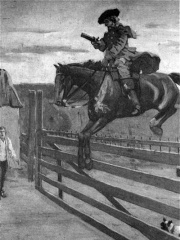
Dick Turpin
1705 - 1739
HPI: 57.52
Rank: 220
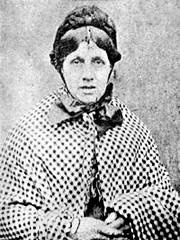
Mary Ann Cotton
1832 - 1873
HPI: 57.38
Rank: 221
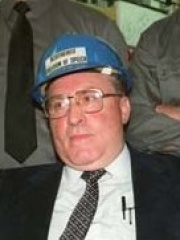
Ernst Zündel
1939 - 2017
HPI: 57.30
Rank: 222

Yoo Young-chul
1970 - Present
HPI: 57.24
Rank: 223
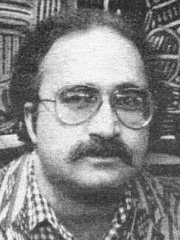
Robert Berdella
1949 - 1992
HPI: 57.22
Rank: 224
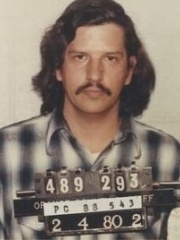
William Bonin
1947 - 1996
HPI: 56.96
Rank: 225
Amparo Poch y Gascón
1902 - 1968
HPI: 56.93
Rank: 226
Abu al-Hussein al-Husseini al-Qurashi
1979 - 2023
HPI: 56.84
Rank: 227
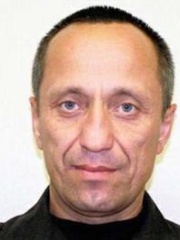
Mikhail Popkov
1964 - Present
HPI: 56.79
Rank: 228

Milorad Ulemek
1968 - Present
HPI: 56.75
Rank: 229
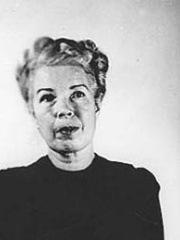
Mildred Gillars
1900 - 1988
HPI: 56.63
Rank: 230
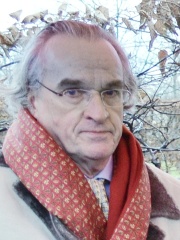
Heinrich XIII Prinz Reuss
1951 - Present
HPI: 56.61
Rank: 231
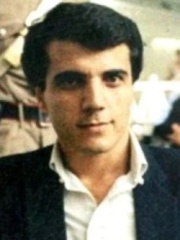
Abdullah Çatlı
1956 - 1996
HPI: 56.61
Rank: 232

Contemporaries
Among people born in 1902, Amparo Poch y Gascón ranks 228. Before her are Nikolay Kamov, Kustaa Pihlajamäki, Felisberto Hernández, Mario Magnozzi, Herbert Copeland, and Yevgeny Petrov. After her are Zaharia Stancu, Milman Parry, Carlos Schneeberger, Sergey Lebedev, Rudolf Viertl, and Manuel Seoane. Among people deceased in 1968, Amparo Poch y Gascón ranks 177. Before her are Fernando Giudicelli, William Jordan, Herbert Copeland, Arnulf Øverland, Oscar Kreuzer, and Dorothy Gish. After her are Charles Bacon, Little Walter, Jan Johansson, Franchot Tone, Armand Blanchonnet, and Weegee.
Others Born in 1902
Go to all Rankings
Nikolay Kamov
ENGINEER
1902 - 1973
HPI: 57.14
Rank: 222
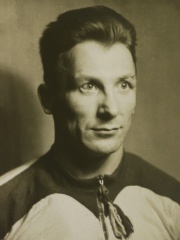
Kustaa Pihlajamäki
WRESTLER
1902 - 1944
HPI: 57.06
Rank: 223
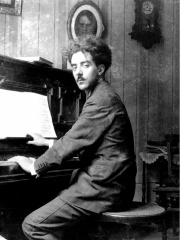
Felisberto Hernández
WRITER
1902 - 1964
HPI: 57.05
Rank: 224
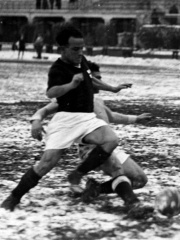
Mario Magnozzi
SOCCER PLAYER
1902 - 1971
HPI: 56.99
Rank: 225

Herbert Copeland
BIOLOGIST
1902 - 1968
HPI: 56.98
Rank: 226
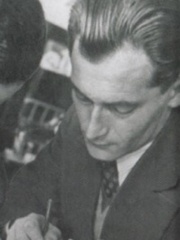
Yevgeny Petrov
WRITER
1902 - 1942
HPI: 56.97
Rank: 227
Amparo Poch y Gascón
EXTREMIST
1902 - 1968
HPI: 56.93
Rank: 228
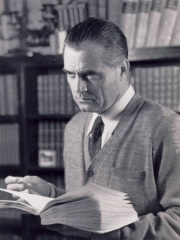
Zaharia Stancu
WRITER
1902 - 1974
HPI: 56.84
Rank: 229
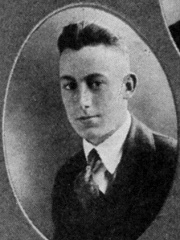
Milman Parry
RELIGIOUS FIGURE
1902 - 1935
HPI: 56.69
Rank: 230
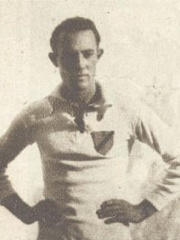
Carlos Schneeberger
SOCCER PLAYER
1902 - 1973
HPI: 56.60
Rank: 231
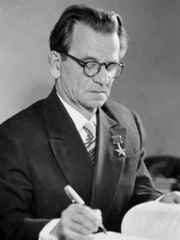
Sergey Lebedev
COMPUTER SCIENTIST
1902 - 1974
HPI: 56.59
Rank: 232

Rudolf Viertl
SOCCER PLAYER
1902 - 1981
HPI: 56.58
Rank: 233
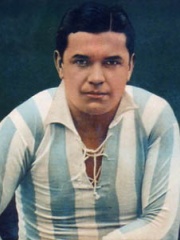
Manuel Seoane
SOCCER PLAYER
1902 - 1975
HPI: 56.50
Rank: 234
Others Deceased in 1968
Go to all Rankings
Fernando Giudicelli
SOCCER PLAYER
1906 - 1968
HPI: 57.13
Rank: 171

William Jordan
ATHLETE
1898 - 1968
HPI: 57.05
Rank: 172
Herbert Copeland
BIOLOGIST
1902 - 1968
HPI: 56.98
Rank: 173
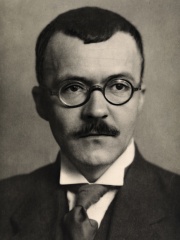
Arnulf Øverland
WRITER
1889 - 1968
HPI: 56.97
Rank: 174
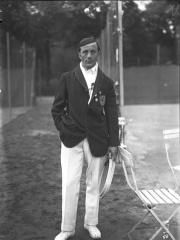
Oscar Kreuzer
TENNIS PLAYER
1887 - 1968
HPI: 56.96
Rank: 175
Dorothy Gish
ACTOR
1898 - 1968
HPI: 56.95
Rank: 176
Amparo Poch y Gascón
EXTREMIST
1902 - 1968
HPI: 56.93
Rank: 177
Charles Bacon
ATHLETE
1885 - 1968
HPI: 56.91
Rank: 178
Little Walter
SINGER
1930 - 1968
HPI: 56.76
Rank: 179
Jan Johansson
MUSICIAN
1931 - 1968
HPI: 56.75
Rank: 180
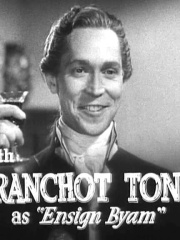
Franchot Tone
ACTOR
1905 - 1968
HPI: 56.73
Rank: 181
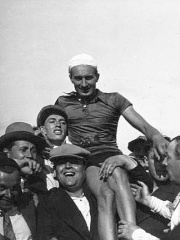
Armand Blanchonnet
CYCLIST
1903 - 1968
HPI: 56.71
Rank: 182
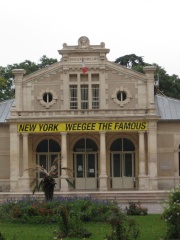
Weegee
PHOTOGRAPHER
1899 - 1968
HPI: 56.60
Rank: 183
In إسبانيا
Among people born in إسبانيا, Amparo Poch y Gascón ranks 1,399 out of NaN. Before her are Luis Royo (1954), Julián Marías (1914), Rafael Frühbeck de Burgos (1933), Gloria Fuertes (1917), Vicente Espinel (1550), and César Sánchez (1971). After her are Alfredo Pérez Rubalcaba (1951), Josep Tarradellas (1899), José Sacristán (1937), Fran (1969), Martín Marculeta (1907), and Juan de Palafox y Mendoza (1600).
Others born in إسبانيا
Go to all Rankings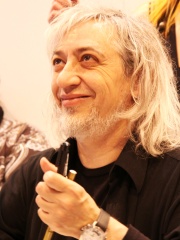
Luis Royo
PAINTER
1954 - Present
HPI: 56.99
Rank: 1,393
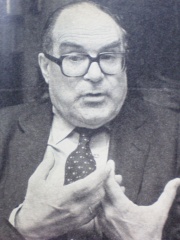
Julián Marías
PHILOSOPHER
1914 - 2005
HPI: 56.97
Rank: 1,394
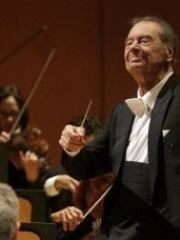
Rafael Frühbeck de Burgos
CONDUCTOR
1933 - 2014
HPI: 56.97
Rank: 1,395
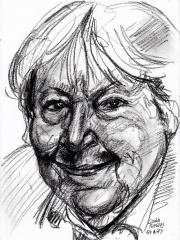
Gloria Fuertes
WRITER
1917 - 1998
HPI: 56.97
Rank: 1,396
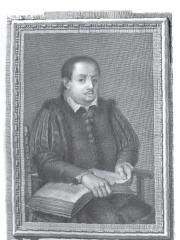
Vicente Espinel
WRITER
1550 - 1624
HPI: 56.96
Rank: 1,397
César Sánchez
SOCCER PLAYER
1971 - Present
HPI: 56.95
Rank: 1,398
Amparo Poch y Gascón
EXTREMIST
1902 - 1968
HPI: 56.93
Rank: 1,399
Alfredo Pérez Rubalcaba
POLITICIAN
1951 - 2019
HPI: 56.93
Rank: 1,400
Josep Tarradellas
POLITICIAN
1899 - 1988
HPI: 56.92
Rank: 1,401
José Sacristán
ACTOR
1937 - Present
HPI: 56.91
Rank: 1,402

Fran
SOCCER PLAYER
1969 - Present
HPI: 56.91
Rank: 1,403
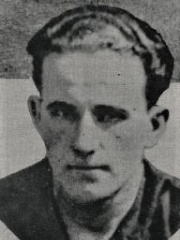
Martín Marculeta
SOCCER PLAYER
1907 - 1984
HPI: 56.90
Rank: 1,404
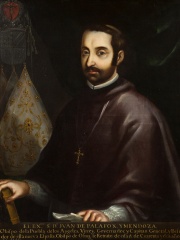
Juan de Palafox y Mendoza
RELIGIOUS FIGURE
1600 - 1659
HPI: 56.89
Rank: 1,405
Among متطرف In إسبانيا
Among متطرف born in إسبانيا, Amparo Poch y Gascón ranks 4. Before her are Ramón Mercader (1913), Luis Carrero Blanco (1904), and Émile Henry (1872).
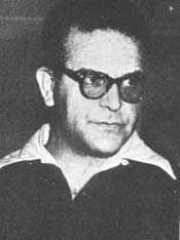
Ramón Mercader
1913 - 1978
HPI: 73.99
Rank: 1
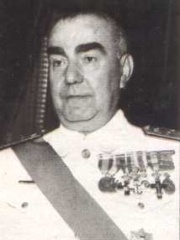
Luis Carrero Blanco
1904 - 1973
HPI: 69.83
Rank: 2
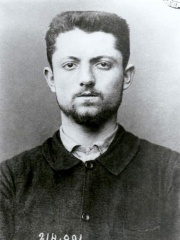
Émile Henry
1872 - 1894
HPI: 58.17
Rank: 3
Amparo Poch y Gascón
1902 - 1968
HPI: 56.93
Rank: 4




