Político
Aminata Touré
1962 - presente
PT.WIKIPEDIA PAGE VIEWS (PV)
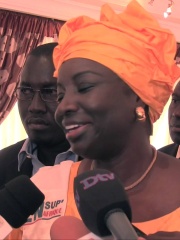
 Aminata Touré
Sua biografia está disponível em 32 idiomas na Wikipédia (aumento em relação a 29 em 2024). Aminata Touré é a 17073ª político mais popular (caiu do 16995ª em 2024), a 42ª biografia mais popular do Senegal (subiu do 43ª em 2019) e a 13ª político mais popular do Senegal.
Memorability Metrics
25k
Page Views
Past 12 months
51.96
HPI
Historical Popularity Index
Page views of Aminata Touré by language
Among Políticos
Among políticos, Aminata Touré ranks 17,066 out of 19,576. Before her are Evgeny Bareev, Touriya Jabrane, Abdelbaset al-Megrahi, Rita Barberá, Yury Borisov, and Paulo d'Eça Leal. After her are Moulaye Ould Mohamed Laghdaf, Ahmad Awad bin Mubarak, Maja Gojković, Natalya Petrusyova, Akwasi Afrifa, and Yaël Braun-Pivet.
Most Popular Políticos in Wikipedia
Go to all Rankings
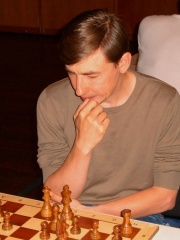
Evgeny Bareev
1966 - Present
HPI: 51.98
Rank: 17,067
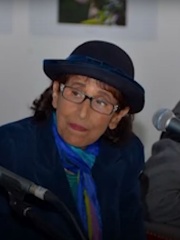
Touriya Jabrane
1952 - 2020
HPI: 51.98
Rank: 17,068
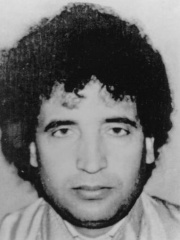
Abdelbaset al-Megrahi
1952 - 2012
HPI: 51.97
Rank: 17,069
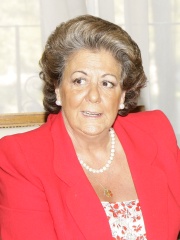
Rita Barberá
1948 - 2016
HPI: 51.97
Rank: 17,070
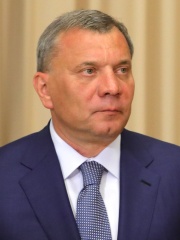
Yury Borisov
1956 - Present
HPI: 51.97
Rank: 17,071

Paulo d'Eça Leal
1901 - 1977
HPI: 51.97
Rank: 17,072
Aminata Touré
1962 - Present
HPI: 51.96
Rank: 17,073
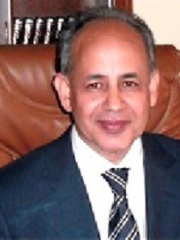
Moulaye Ould Mohamed Laghdaf
1957 - Present
HPI: 51.96
Rank: 17,074
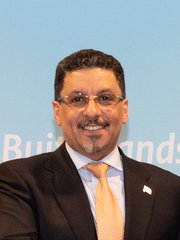
Ahmad Awad bin Mubarak
HPI: 51.96
Rank: 17,075
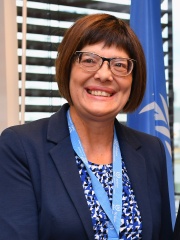
Maja Gojković
1963 - Present
HPI: 51.96
Rank: 17,076
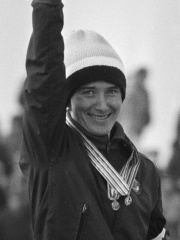
Natalya Petrusyova
1955 - 2025
HPI: 51.95
Rank: 17,077
Akwasi Afrifa
1936 - 1979
HPI: 51.95
Rank: 17,078
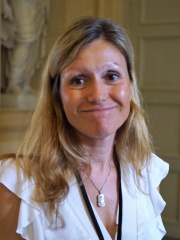
Yaël Braun-Pivet
1970 - Present
HPI: 51.95
Rank: 17,079

Contemporaries
Among people born in 1962, Aminata Touré ranks 469. Before her are Craig Ferguson, Álvaro García Linera, Jan Furtok, Štefan Füle, Roberto Fernández Bonillo, and Mary Kay Letourneau. After her are Sophie Thompson, Peter Segal, Marcello Novaes, Andrei Zygmantovich, Viktor Sokolov, and Jan Urban.
Others Born in 1962
Go to all Rankings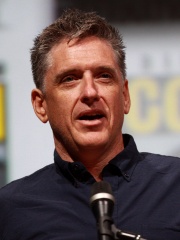
Craig Ferguson
ACTOR
1962 - Present
HPI: 52.11
Rank: 463
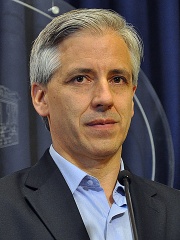
Álvaro García Linera
POLITICIAN
1962 - Present
HPI: 52.10
Rank: 464
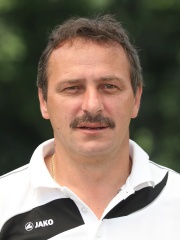
Jan Furtok
SOCCER PLAYER
1962 - 2024
HPI: 52.01
Rank: 465
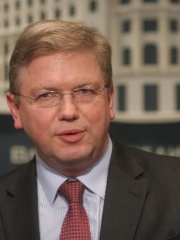
Štefan Füle
POLITICIAN
1962 - Present
HPI: 51.99
Rank: 466

Roberto Fernández Bonillo
SOCCER PLAYER
1962 - Present
HPI: 51.98
Rank: 467

Mary Kay Letourneau
PHILOSOPHER
1962 - 2020
HPI: 51.97
Rank: 468
Aminata Touré
POLITICIAN
1962 - Present
HPI: 51.96
Rank: 469
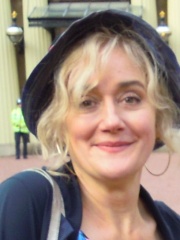
Sophie Thompson
ACTOR
1962 - Present
HPI: 51.96
Rank: 470
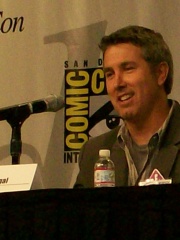
Peter Segal
FILM DIRECTOR
1962 - Present
HPI: 51.94
Rank: 471
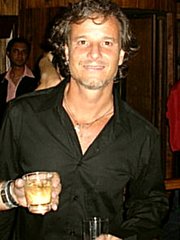
Marcello Novaes
ACTOR
1962 - Present
HPI: 51.92
Rank: 472

Andrei Zygmantovich
SOCCER PLAYER
1962 - Present
HPI: 51.91
Rank: 473
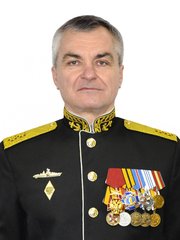
Viktor Sokolov
MILITARY PERSONNEL
1962 - 2023
HPI: 51.90
Rank: 474

Jan Urban
SOCCER PLAYER
1962 - Present
HPI: 51.88
Rank: 475
In Senegal
Among people born in Senegal, Aminata Touré ranks 42 out of NaN. Before her are El Hadji Diouf (1981), Amadou Dia Ba (1958), Abdoulaye Faye (1978), Cheikh Hamidou Kane (1928), Baaba Maal (1953), and Marie Senghor Basse (1930). After her are Clémentine Célarié (1957), Cherif Mohamed Aly Aidara (1959), Khalilou Fadiga (1974), Ousmane Sonko (1974), MC Solaar (1969), and Mamadou Niang (1979).
Others born in Senegal
Go to all Rankings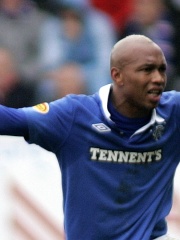
El Hadji Diouf
SOCCER PLAYER
1981 - Present
HPI: 53.79
Rank: 36

Amadou Dia Ba
ATHLETE
1958 - Present
HPI: 53.20
Rank: 37
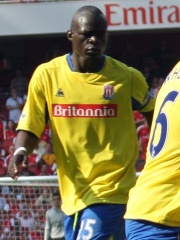
Abdoulaye Faye
SOCCER PLAYER
1978 - Present
HPI: 52.89
Rank: 38
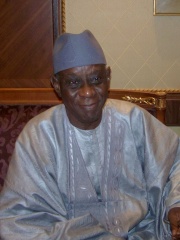
Cheikh Hamidou Kane
WRITER
1928 - Present
HPI: 52.64
Rank: 39
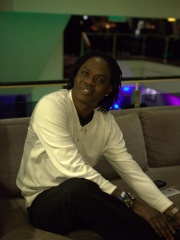
Baaba Maal
MUSICIAN
1953 - Present
HPI: 52.59
Rank: 40

Marie Senghor Basse
PHYSICIAN
1930 - 2019
HPI: 52.48
Rank: 41
Aminata Touré
POLITICIAN
1962 - Present
HPI: 51.96
Rank: 42
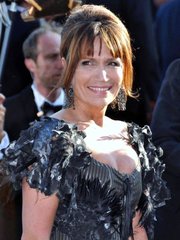
Clémentine Célarié
ACTOR
1957 - Present
HPI: 51.50
Rank: 43
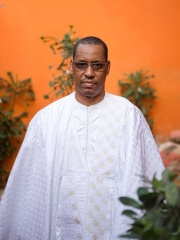
Cherif Mohamed Aly Aidara
RELIGIOUS FIGURE
1959 - Present
HPI: 51.35
Rank: 44

Khalilou Fadiga
SOCCER PLAYER
1974 - Present
HPI: 51.23
Rank: 45
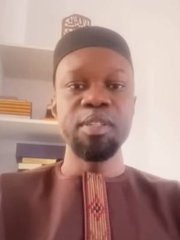
Ousmane Sonko
POLITICIAN
1974 - Present
HPI: 51.12
Rank: 46
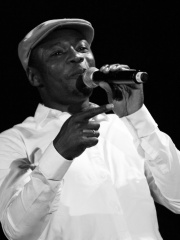
MC Solaar
SINGER
1969 - Present
HPI: 50.69
Rank: 47
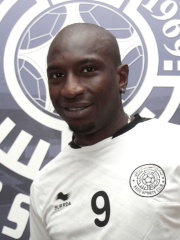
Mamadou Niang
SOCCER PLAYER
1979 - Present
HPI: 49.82
Rank: 48
Among Políticos In Senegal
Among políticos born in Senegal, Aminata Touré ranks 13. Before her are Mamadou Dia (1910), Ba Mamadou Mbaré (1946), Mahammed Dionne (1959), Fatma Samoura (1962), Bassirou Diomaye Faye (1980), and Habib Thiam (1933). After her are Ousmane Sonko (1974), Cheikh Hadjibou Soumaré (1951), Souleymane Ndéné Ndiaye (1958), Amadou Ba (1961), and Rama Yade (1976).
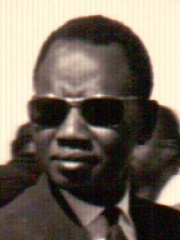
Mamadou Dia
1910 - 2009
HPI: 56.33
Rank: 7
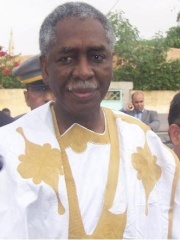
Ba Mamadou Mbaré
1946 - 2013
HPI: 56.10
Rank: 8
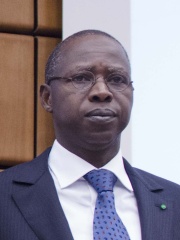
Mahammed Dionne
1959 - 2024
HPI: 55.30
Rank: 9
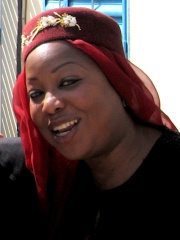
Fatma Samoura
1962 - Present
HPI: 54.62
Rank: 10
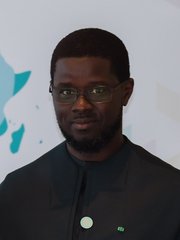
Bassirou Diomaye Faye
1980 - Present
HPI: 54.38
Rank: 11
Habib Thiam
1933 - 2017
HPI: 54.02
Rank: 12
Aminata Touré
1962 - Present
HPI: 51.96
Rank: 13
Ousmane Sonko
1974 - Present
HPI: 51.12
Rank: 14
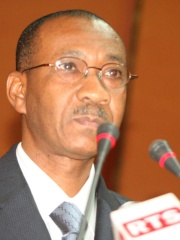
Cheikh Hadjibou Soumaré
1951 - Present
HPI: 49.03
Rank: 15
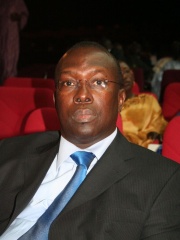
Souleymane Ndéné Ndiaye
1958 - Present
HPI: 46.77
Rank: 16

Amadou Ba
1961 - Present
HPI: 46.69
Rank: 17
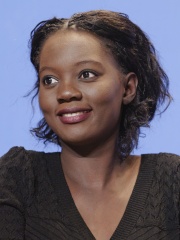
Rama Yade
1976 - Present
HPI: 44.84
Rank: 18




