Político
Alberto Fernández
1959 - presente
ES.WIKIPEDIA PAGE VIEWS (PV)
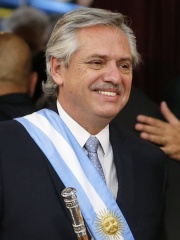

 Alberto Fernández
Su biografía está disponible en 73 idiomas en Wikipedia. Alberto Fernández ocupa el puesto 3294 entre los político más populares (bajó del puesto 2228 en 2024), el puesto 37 entre las biografías más populares de Argentina (bajó del puesto 28 en 2019) y el puesto 11 entre los político de argentina más populares.
Memorability Metrics
380k
Page Views
Past 12 months
69.16
HPI
Historical Popularity Index
Page views of Alberto Fernández by language
Among Políticos
Among políticos, Alberto Fernández ranks 3,292 out of 19,576. Before him are Yitzhak Navon, Chryseis, Telamon, Charles Martel of Anjou, Nectanebo I, and Margaret II, Countess of Hainaut. After him are Frederick I, Elector of Brandenburg, Charles Emmanuel II, Duke of Savoy, Maximilian, Hereditary Prince of Saxony, Chaghri Beg, Princess Louise of Saxe-Gotha-Altenburg, and Joan II, Countess of Burgundy.
Most Popular Políticos in Wikipedia
Go to all Rankings
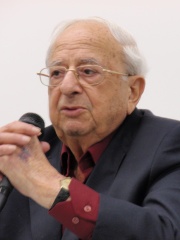
Yitzhak Navon
1921 - 2015
HPI: 69.16
Rank: 3,288
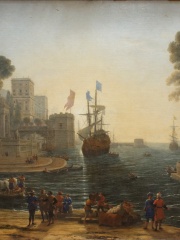
Chryseis
HPI: 69.16
Rank: 3,289
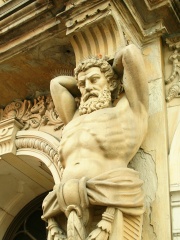
Telamon
HPI: 69.16
Rank: 3,290
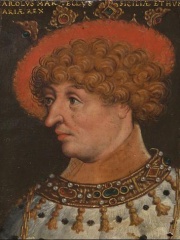
Charles Martel of Anjou
1271 - 1295
HPI: 69.16
Rank: 3,291
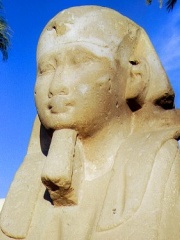
Nectanebo I
450 BC - 362 BC
HPI: 69.16
Rank: 3,292
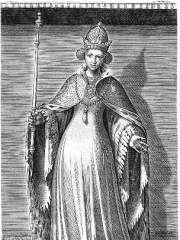
Margaret II, Countess of Hainaut
1311 - 1356
HPI: 69.16
Rank: 3,293
Alberto Fernández
1959 - Present
HPI: 69.16
Rank: 3,294
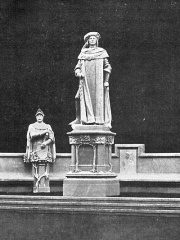
Frederick I, Elector of Brandenburg
1371 - 1440
HPI: 69.15
Rank: 3,295
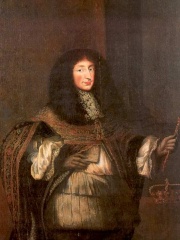
Charles Emmanuel II, Duke of Savoy
1634 - 1675
HPI: 69.15
Rank: 3,296
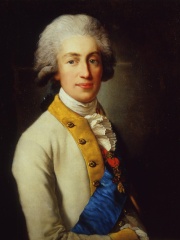
Maximilian, Hereditary Prince of Saxony
1759 - 1838
HPI: 69.15
Rank: 3,297
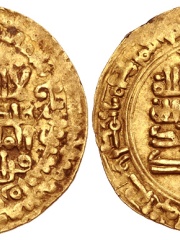
Chaghri Beg
989 - 1060
HPI: 69.15
Rank: 3,298
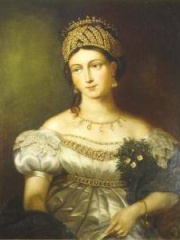
Princess Louise of Saxe-Gotha-Altenburg
1800 - 1831
HPI: 69.14
Rank: 3,299
Joan II, Countess of Burgundy
1292 - 1330
HPI: 69.14
Rank: 3,300

Contemporaries
Among people born in 1959, Alberto Fernández ranks 24. Before him are Robert Smith, Milorad Dodik, Drew Weissman, Bernd Schuster, Sting, and Abdulla Yameen. After him are Gerhard Berger, Sean Bean, Boris Nemtsov, Ken Watanabe, Michael Kors, and Ahmet Davutoğlu.
Others Born in 1959
Go to all Rankings
Robert Smith
MUSICIAN
1959 - Present
HPI: 70.23
Rank: 18
Milorad Dodik
POLITICIAN
1959 - Present
HPI: 70.03
Rank: 19
Drew Weissman
PHYSICIAN
1959 - Present
HPI: 69.78
Rank: 20
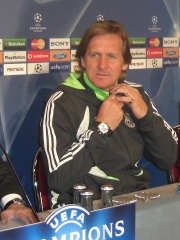
Bernd Schuster
COACH
1959 - Present
HPI: 69.30
Rank: 21
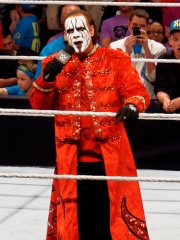
Sting
WRESTLER
1959 - Present
HPI: 69.25
Rank: 22
Abdulla Yameen
POLITICIAN
1959 - Present
HPI: 69.18
Rank: 23
Alberto Fernández
POLITICIAN
1959 - Present
HPI: 69.16
Rank: 24

Gerhard Berger
RACING DRIVER
1959 - Present
HPI: 68.93
Rank: 25

Sean Bean
ACTOR
1959 - Present
HPI: 68.70
Rank: 26
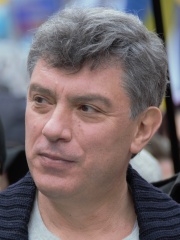
Boris Nemtsov
POLITICIAN
1959 - 2015
HPI: 68.60
Rank: 27
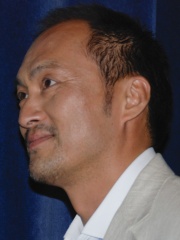
Ken Watanabe
ACTOR
1959 - Present
HPI: 68.52
Rank: 28
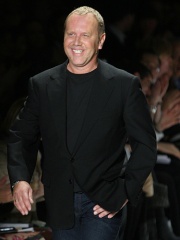
Michael Kors
POLITICIAN
1959 - Present
HPI: 68.47
Rank: 29
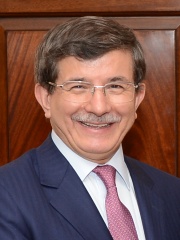
Ahmet Davutoğlu
POLITICIAN
1959 - Present
HPI: 68.40
Rank: 30
In Argentina
Among people born in Argentina, Alberto Fernández ranks 37 out of NaN. Before him are Daniel Passarella (1953), Leonardo Sandri (1943), Richard Walther Darré (1895), Queen Máxima of the Netherlands (1971), Carlos Reutemann (1942), and Hernán Crespo (1975). After him are Marcelo Bielsa (1955), Luis Monti (1901), Reynaldo Bignone (1928), Javier Zanetti (1973), Ernesto Sabato (1911), and Héctor Cúper (1955).
Others born in Argentina
Go to all Rankings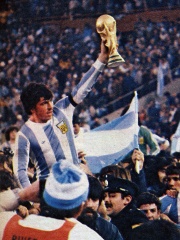
Daniel Passarella
SOCCER PLAYER
1953 - Present
HPI: 69.86
Rank: 31
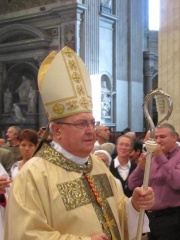
Leonardo Sandri
RELIGIOUS FIGURE
1943 - Present
HPI: 69.74
Rank: 32
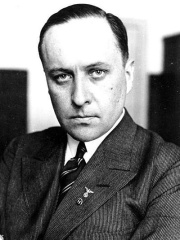
Richard Walther Darré
POLITICIAN
1895 - 1953
HPI: 69.33
Rank: 33
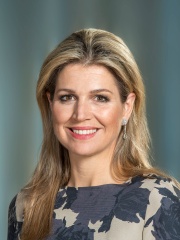
Queen Máxima of the Netherlands
COMPANION
1971 - Present
HPI: 69.31
Rank: 34
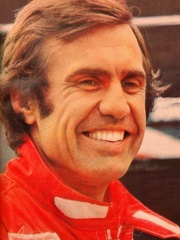
Carlos Reutemann
RACING DRIVER
1942 - 2021
HPI: 69.28
Rank: 35

Hernán Crespo
SOCCER PLAYER
1975 - Present
HPI: 69.25
Rank: 36
Alberto Fernández
POLITICIAN
1959 - Present
HPI: 69.16
Rank: 37
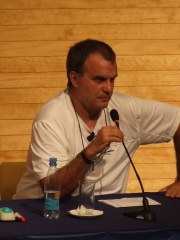
Marcelo Bielsa
COACH
1955 - Present
HPI: 68.98
Rank: 38
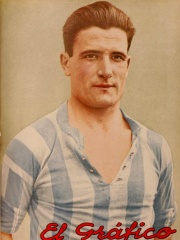
Luis Monti
SOCCER PLAYER
1901 - 1983
HPI: 68.86
Rank: 39
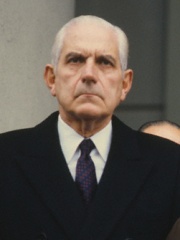
Reynaldo Bignone
POLITICIAN
1928 - 2018
HPI: 68.62
Rank: 40

Javier Zanetti
SOCCER PLAYER
1973 - Present
HPI: 68.47
Rank: 41
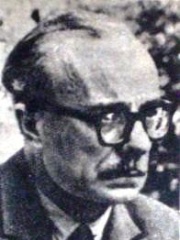
Ernesto Sabato
WRITER
1911 - 2011
HPI: 68.46
Rank: 42
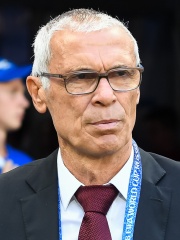
Héctor Cúper
COACH
1955 - Present
HPI: 68.39
Rank: 43
Among Políticos In Argentina
Among políticos born in Argentina, Alberto Fernández ranks 11. Before him are Cristina Fernández de Kirchner (1953), Carlos Menem (1930), Néstor Kirchner (1950), Leopoldo Galtieri (1926), Raúl Alfonsín (1927), and Richard Walther Darré (1895). After him are Reynaldo Bignone (1928), Juan Manuel de Rosas (1793), Fernando de la Rúa (1937), Hipólito Yrigoyen (1852), Carlos Saavedra Lamas (1878), and Roberto Eduardo Viola (1924).
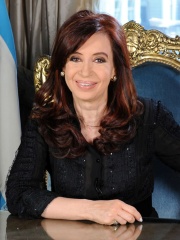
Cristina Fernández de Kirchner
1953 - Present
HPI: 75.24
Rank: 5
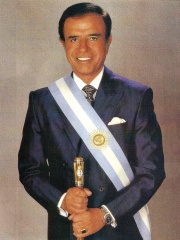
Carlos Menem
1930 - 2021
HPI: 72.38
Rank: 6
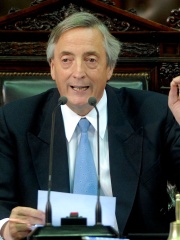
Néstor Kirchner
1950 - 2010
HPI: 72.13
Rank: 7
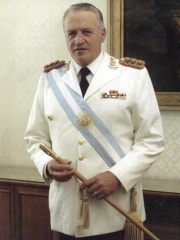
Leopoldo Galtieri
1926 - 2003
HPI: 71.70
Rank: 8
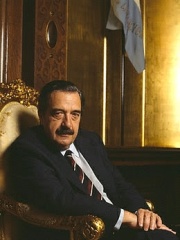
Raúl Alfonsín
1927 - 2009
HPI: 70.04
Rank: 9
Richard Walther Darré
1895 - 1953
HPI: 69.33
Rank: 10
Alberto Fernández
1959 - Present
HPI: 69.16
Rank: 11
Reynaldo Bignone
1928 - 2018
HPI: 68.62
Rank: 12
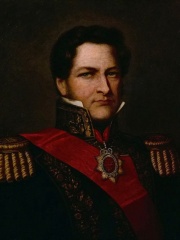
Juan Manuel de Rosas
1793 - 1877
HPI: 68.30
Rank: 13
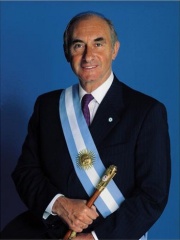
Fernando de la Rúa
1937 - 2019
HPI: 68.17
Rank: 14
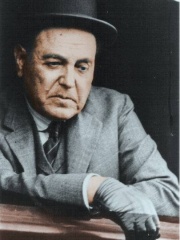
Hipólito Yrigoyen
1852 - 1933
HPI: 67.94
Rank: 15
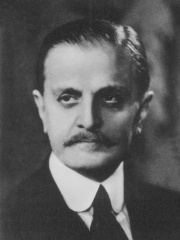
Carlos Saavedra Lamas
1878 - 1959
HPI: 67.93
Rank: 16
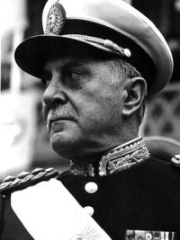
Roberto Eduardo Viola
1924 - 1994
HPI: 67.80
Rank: 17




