Historyk
Stéphane Courtois
1947 - obecnie
PL.WIKIPEDIA PAGE VIEWS (PV)
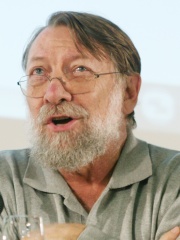
 Stéphane Courtois
Jego biografia jest dostępna w 21 różnych językach w Wikipedii. Stéphane Courtois jest 290. najpopularniejszym historyk (wzrost z 299. w 2024 roku), 3481. najpopularniejszą biografią Francja (wzrost z 3577. w 2019 roku) oraz 39. najpopularniejszym historyk Francja.
Memorability Metrics
36k
Page Views
Past 12 months
59.43
HPI
Historical Popularity Index
Page views of Stéphane Courtois by language
Among Historyks
Among historyks, Stéphane Courtois ranks 290 out of 561. Before him are Timothy Garton Ash, Georges Lefebvre, George Buchanan, Gustave Schlumberger, Abraham Geiger, and Marino Sanuto the Younger. After him are Wilhelm von Bode, Yahya of Antioch, Juan de Mariana, Marin Drinov, Quentin Skinner, and Agnes Arber.
Most Popular Historyks in Wikipedia
Go to all Rankings
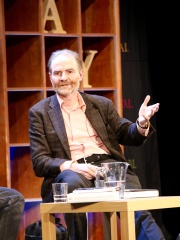
Timothy Garton Ash
1955 - Present
HPI: 59.66
Rank: 284
Georges Lefebvre
1874 - 1959
HPI: 59.54
Rank: 285
George Buchanan
1506 - 1582
HPI: 59.53
Rank: 286

Gustave Schlumberger
1844 - 1929
HPI: 59.53
Rank: 287
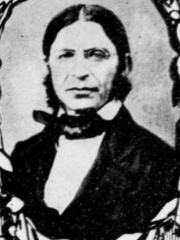
Abraham Geiger
1810 - 1874
HPI: 59.50
Rank: 288

Marino Sanuto the Younger
1466 - 1536
HPI: 59.46
Rank: 289
Stéphane Courtois
1947 - Present
HPI: 59.43
Rank: 290
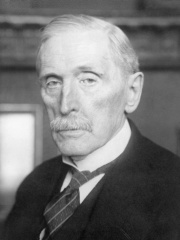
Wilhelm von Bode
1845 - 1929
HPI: 59.43
Rank: 291

Yahya of Antioch
980 - 1066
HPI: 59.40
Rank: 292
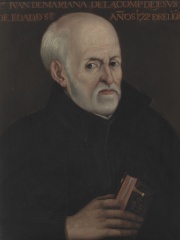
Juan de Mariana
1536 - 1624
HPI: 59.30
Rank: 293
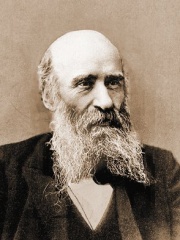
Marin Drinov
1838 - 1906
HPI: 59.30
Rank: 294

Quentin Skinner
1940 - Present
HPI: 59.29
Rank: 295
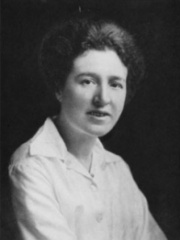
Agnes Arber
1879 - 1960
HPI: 59.27
Rank: 296

Contemporaries
Among people born in 1947, Stéphane Courtois ranks 349. Before him are Orlan, Giancarlo Minardi, Anki Lidén, Bernard Giraudeau, Gunnar Hansen, and Lamar Smith. After him are Jacki Weaver, Kembo Uba Kembo, Chung Un-chan, Leszek Balcerowicz, Peer Steinbrück, and Jaroslav Pollák.
Others Born in 1947
Go to all Rankings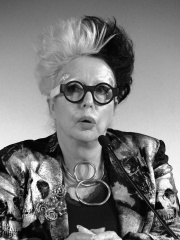
Orlan
PAINTER
1947 - Present
HPI: 59.54
Rank: 343
Giancarlo Minardi
POLITICIAN
1947 - Present
HPI: 59.53
Rank: 344

Anki Lidén
ACTOR
1947 - Present
HPI: 59.52
Rank: 345
Bernard Giraudeau
ACTOR
1947 - 2010
HPI: 59.50
Rank: 346
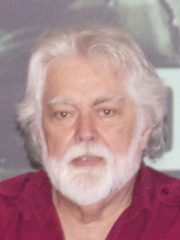
Gunnar Hansen
ACTOR
1947 - 2015
HPI: 59.47
Rank: 347
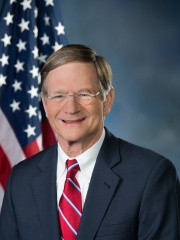
Lamar Smith
POLITICIAN
1947 - Present
HPI: 59.46
Rank: 348
Stéphane Courtois
HISTORIAN
1947 - Present
HPI: 59.43
Rank: 349
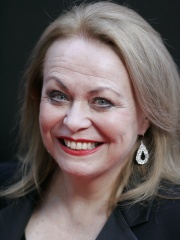
Jacki Weaver
ACTOR
1947 - Present
HPI: 59.43
Rank: 350

Kembo Uba Kembo
SOCCER PLAYER
1947 - 2007
HPI: 59.38
Rank: 351
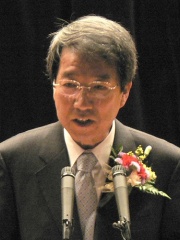
Chung Un-chan
POLITICIAN
1947 - Present
HPI: 59.38
Rank: 352
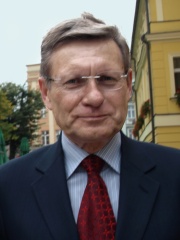
Leszek Balcerowicz
ECONOMIST
1947 - Present
HPI: 59.32
Rank: 353
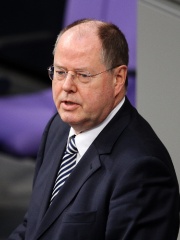
Peer Steinbrück
POLITICIAN
1947 - Present
HPI: 59.31
Rank: 354
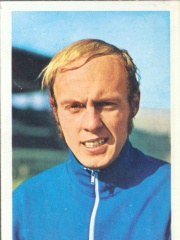
Jaroslav Pollák
SOCCER PLAYER
1947 - 2020
HPI: 59.30
Rank: 355
In Francja
Among people born in Francja, Stéphane Courtois ranks 3,481 out of NaN. Before him are Gaël Monfils (1986), Bernard Picart (1673), Bertrand of Orléans-Braganza (1941), Françoise d'Eaubonne (1920), Carole André (1953), and Michel Hazanavicius (1967). After him are Jacques Fatton (1925), Jean-Baptiste Élie de Beaumont (1798), Henri Cassini (1781), André Marie (1897), Marthe Robin (1902), and Charles Athanase Walckenaer (1771).
Others born in Francja
Go to all Rankings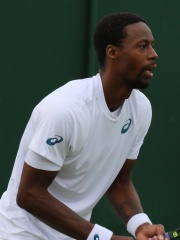
Gaël Monfils
TENNIS PLAYER
1986 - Present
HPI: 59.45
Rank: 3,475
Bernard Picart
PAINTER
1673 - 1733
HPI: 59.45
Rank: 3,476
Bertrand of Orléans-Braganza
NOBLEMAN
1941 - Present
HPI: 59.45
Rank: 3,477
Françoise d'Eaubonne
WRITER
1920 - 2005
HPI: 59.45
Rank: 3,478
Carole André
ACTOR
1953 - Present
HPI: 59.45
Rank: 3,479
Michel Hazanavicius
FILM DIRECTOR
1967 - Present
HPI: 59.44
Rank: 3,480
Stéphane Courtois
HISTORIAN
1947 - Present
HPI: 59.43
Rank: 3,481
Jacques Fatton
SOCCER PLAYER
1925 - 2011
HPI: 59.43
Rank: 3,482
Jean-Baptiste Élie de Beaumont
ENGINEER
1798 - 1874
HPI: 59.43
Rank: 3,483
Henri Cassini
BIOLOGIST
1781 - 1832
HPI: 59.43
Rank: 3,484
André Marie
POLITICIAN
1897 - 1974
HPI: 59.42
Rank: 3,485
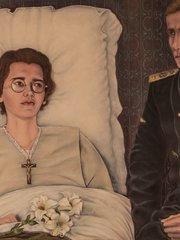
Marthe Robin
RELIGIOUS FIGURE
1902 - 1981
HPI: 59.42
Rank: 3,486
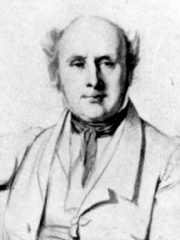
Charles Athanase Walckenaer
POLITICIAN
1771 - 1852
HPI: 59.41
Rank: 3,487
Among Historyks In Francja
Among historyks born in Francja, Stéphane Courtois ranks 39. Before him are Régine Pernoud (1909), André Clot (1909), Maxime Rodinson (1915), Claude Cahen (1909), Georges Lefebvre (1874), and Gustave Schlumberger (1844). After him are Marc Ferro (1924), Gustave Lanson (1857), Émile Mâle (1862), Jean-Baptiste Du Halde (1674), Pierre Vidal-Naquet (1930), and Élisabeth Roudinesco (1944).

Régine Pernoud
1909 - 1998
HPI: 60.11
Rank: 33

André Clot
1909 - 2002
HPI: 59.88
Rank: 34
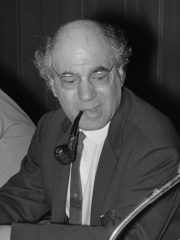
Maxime Rodinson
1915 - 2004
HPI: 59.87
Rank: 35
Claude Cahen
1909 - 1991
HPI: 59.69
Rank: 36
Georges Lefebvre
1874 - 1959
HPI: 59.54
Rank: 37
Gustave Schlumberger
1844 - 1929
HPI: 59.53
Rank: 38
Stéphane Courtois
1947 - Present
HPI: 59.43
Rank: 39
Marc Ferro
1924 - 2021
HPI: 59.16
Rank: 40

Gustave Lanson
1857 - 1934
HPI: 59.11
Rank: 41
Émile Mâle
1862 - 1954
HPI: 59.01
Rank: 42

Jean-Baptiste Du Halde
1674 - 1743
HPI: 58.91
Rank: 43
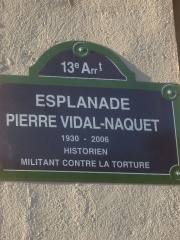
Pierre Vidal-Naquet
1930 - 2006
HPI: 58.82
Rank: 44
Élisabeth Roudinesco
1944 - Present
HPI: 58.34
Rank: 45




