Polityk
Lotar I
795 - 855
WYŚWIETLENIA PL.WIKIPEDIA (PV)
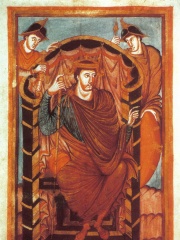
 Lotar I
Jego biografia jest dostępna w 65 różnych językach w Wikipedii (wzrost z 62 w 2024 roku). Lotar I jest 599. najpopularniejszym polityk (spadek z 455. w 2024 roku), 158. najpopularniejszą biografią Niemcy (spadek z 126. w 2019 roku) oraz 43. najpopularniejszym polityk Niemcy.
Wskaźniki rozpoznawalności
290k
Wyświetlenia strony
Ostatnie 12 miesięcy
78.30
HPI
Indeks historycznej popularności
Ciekawostki z danych
#2,022
Ponad 11 wieków po śmierci Lotar I wciąż zajmuje 2,022. miejsce wśród wszystkich postaci w Pantheonie.
65
Biografia postaci Lotar I występuje w 65 wersjach językowych Wikipedii — w większej liczbie niż u 95% wszystkich Polityk.
1 sty
Lotar I obchodzi urodziny tego samego dnia (1 stycznia) co Mary, mother of Jesus, Saint Peter i Laozi.
Wyświetlenia strony Lotar I według języka
Wśród przedstawicieli zawodu Polityk
Wśród przedstawicieli zawodu „Polityk” Lotar I zajmuje 599. miejsce na 19,576. Przed nim są Auguste Beernaert, Priam, Selim III, Louis I of Hungary, Frederick I of Prussia, i Ali Pasha of Ioannina. Po nim są Mahmud I, Rani of Jhansi, Alaric I, Kim Dae-jung, Louis, Grand Dauphin, i Zhou Enlai.
Najpopularniejsi w Wikipedii: Polityk
Zobacz wszystkie rankingi
Auguste Beernaert
1829 - 1912
HPI: 78.35
Miejsce: 593
Priam
HPI: 78.33
Miejsce: 594
Selim III
1761 - 1808
HPI: 78.33
Miejsce: 595
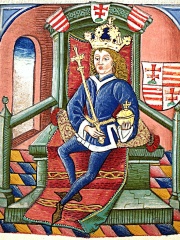
Louis I of Hungary
1326 - 1382
HPI: 78.33
Miejsce: 596
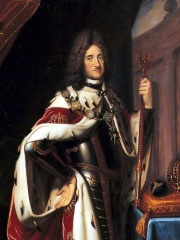
Frederick I of Prussia
1657 - 1713
HPI: 78.32
Miejsce: 597
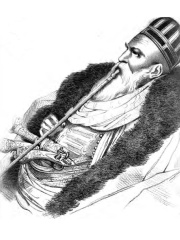
Ali Pasha of Ioannina
1750 - 1822
HPI: 78.32
Miejsce: 598
Lothair I
795 - 855
HPI: 78.30
Miejsce: 599
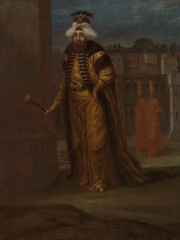
Mahmud I
1696 - 1754
HPI: 78.30
Miejsce: 600
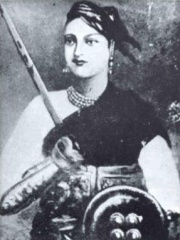
Rani of Jhansi
1828 - 1858
HPI: 78.29
Miejsce: 601
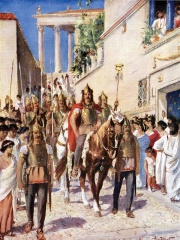
Alaric I
376 - 410
HPI: 78.28
Miejsce: 602

Kim Dae-jung
1924 - 2009
HPI: 78.26
Miejsce: 603
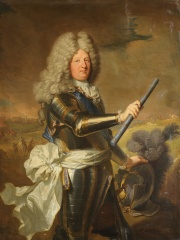
Louis, Grand Dauphin
1661 - 1711
HPI: 78.26
Miejsce: 604
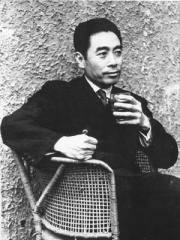
Zhou Enlai
1898 - 1976
HPI: 78.26
Miejsce: 605

Współcześni
Wśród osób urodzonych w 795 roku Lotar I zajmuje 2. miejsce. Przed nim jest Æthelwulf, King of Wessex. Po nim są Mojmir I of Moravia, Emperor Muzong of Tang, i Bernard of Septimania. Wśród osób zmarłych w 855 roku Lotar I zajmuje 2. miejsce. Przed nim jest Pope Leo IV. Po nim są Ahmad ibn Hanbal, i Boso the Elder.
Inne osoby urodzone w 795 roku
Zobacz wszystkie rankingi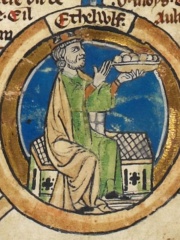
Æthelwulf, King of Wessex
POLITICIAN
795 - 858
HPI: 82.01
Miejsce: 1
Lothair I
POLITICIAN
795 - 855
HPI: 78.30
Miejsce: 2
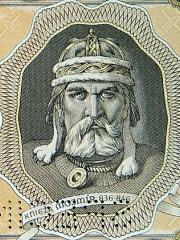
Mojmir I of Moravia
POLITICIAN
795 - 846
HPI: 68.02
Miejsce: 3
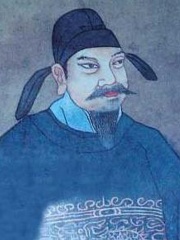
Emperor Muzong of Tang
POLITICIAN
795 - 824
HPI: 64.96
Miejsce: 4

Bernard of Septimania
POLITICIAN
795 - 844
HPI: 63.86
Miejsce: 5
Inne osoby zmarłe w 855 roku
Zobacz wszystkie rankingi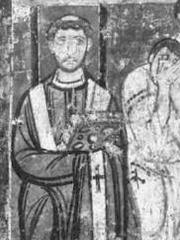
Pope Leo IV
RELIGIOUS FIGURE
790 - 855
HPI: 78.52
Miejsce: 1
Lothair I
POLITICIAN
795 - 855
HPI: 78.30
Miejsce: 2

Ahmad ibn Hanbal
WRITER
780 - 855
HPI: 78.16
Miejsce: 3

Boso the Elder
POLITICIAN
800 - 855
HPI: 60.16
Miejsce: 4
W kraju Niemcy
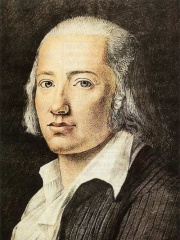
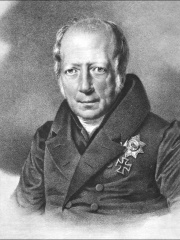
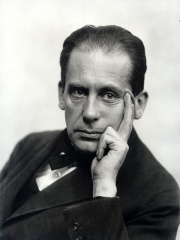
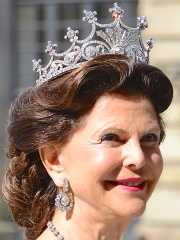
Wśród osób urodzonych w kraju Niemcy Lotar I zajmuje 158. miejsce na 7,253. Przed nim są Friedrich Merz (1955), Friedrich Wöhler (1800), Theodor W. Adorno (1903), Carl Wilhelm Scheele (1742), Hans Adolf Krebs (1900), i Friedrich Hölderlin (1770). Po nim są Wilhelm von Humboldt (1767), Walter Gropius (1883), Queen Silvia of Sweden (1943), Agrippina the Younger (15), George I of Great Britain (1660), i Alfred Jodl (1890).
Inne osoby urodzone w kraju Niemcy
Zobacz wszystkie rankingi
Friedrich Merz
POLITICIAN
1955 - obecnie
HPI: 78.54
Miejsce: 152
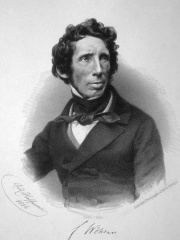
Friedrich Wöhler
CHEMIST
1800 - 1882
HPI: 78.43
Miejsce: 153
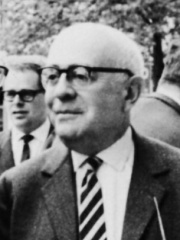
Theodor W. Adorno
SOCIOLOGIST
1903 - 1969
HPI: 78.37
Miejsce: 154
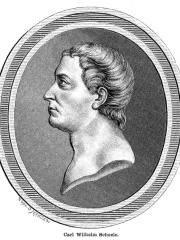
Carl Wilhelm Scheele
CHEMIST
1742 - 1786
HPI: 78.35
Miejsce: 155
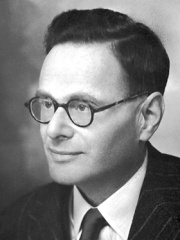
Hans Adolf Krebs
CHEMIST
1900 - 1981
HPI: 78.34
Miejsce: 156
Friedrich Hölderlin
WRITER
1770 - 1843
HPI: 78.31
Miejsce: 157
Lothair I
POLITICIAN
795 - 855
HPI: 78.30
Miejsce: 158
Wilhelm von Humboldt
PHILOSOPHER
1767 - 1835
HPI: 78.29
Miejsce: 159
Walter Gropius
ARCHITECT
1883 - 1969
HPI: 78.26
Miejsce: 160
Queen Silvia of Sweden
COMPANION
1943 - obecnie
HPI: 78.26
Miejsce: 161
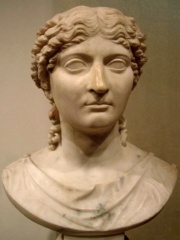
Agrippina the Younger
POLITICIAN
15 - 59
HPI: 78.24
Miejsce: 162
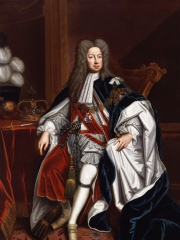
George I of Great Britain
POLITICIAN
1660 - 1727
HPI: 78.20
Miejsce: 163
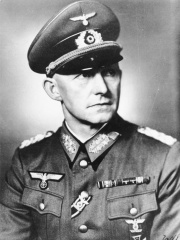
Alfred Jodl
MILITARY PERSONNEL
1890 - 1946
HPI: 78.19
Miejsce: 164
Wśród przedstawicieli zawodu Polityk w kraju Niemcy
Wśród przedstawicieli zawodu „Polityk” urodzonych w kraju Niemcy Lotar I zajmuje 43. miejsce. Przed nim są Henry the Fowler (876), Otto III, Holy Roman Emperor (980), Leopold I of Belgium (1790), Augustus II the Strong (1670), Frederick William IV of Prussia (1795), i Friedrich Merz (1955). Po nim są Agrippina the Younger (15), George I of Great Britain (1660), Henry II, Holy Roman Emperor (973), Valéry Giscard d'Estaing (1926), Franz von Papen (1879), i Olaf Scholz (1958).
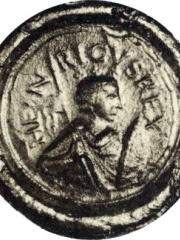
Henry the Fowler
876 - 936
HPI: 78.94
Miejsce: 37
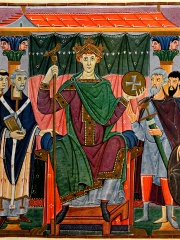
Otto III, Holy Roman Emperor
980 - 1002
HPI: 78.91
Miejsce: 38
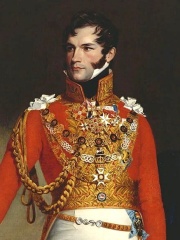
Leopold I of Belgium
1790 - 1865
HPI: 78.85
Miejsce: 39
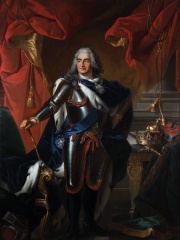
Augustus II the Strong
1670 - 1733
HPI: 78.78
Miejsce: 40
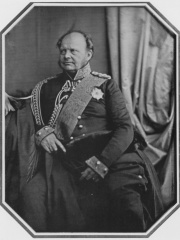
Frederick William IV of Prussia
1795 - 1861
HPI: 78.69
Miejsce: 41
Friedrich Merz
1955 - obecnie
HPI: 78.54
Miejsce: 42
Lothair I
795 - 855
HPI: 78.30
Miejsce: 43
Agrippina the Younger
15 - 59
HPI: 78.24
Miejsce: 44
George I of Great Britain
1660 - 1727
HPI: 78.20
Miejsce: 45
Henry II, Holy Roman Emperor
973 - 1024
HPI: 78.04
Miejsce: 46
Valéry Giscard d'Estaing
1926 - 2020
HPI: 78.01
Miejsce: 47
Franz von Papen
1879 - 1969
HPI: 77.94
Miejsce: 48

Olaf Scholz
1958 - obecnie
HPI: 77.93
Miejsce: 49




