Muzyk
Christoph Eschenbach
1940 - obecnie
WYŚWIETLENIA PL.WIKIPEDIA (PV)
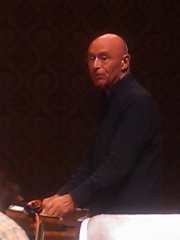
 Christoph Eschenbach
Jego biografia jest dostępna w 20 różnych językach w Wikipedii. Christoph Eschenbach jest 510. najpopularniejszym muzyk (spadek z 448. w 2024 roku), 445. najpopularniejszą biografią Polska (spadek z 431. w 2019 roku) oraz 12. najpopularniejszym muzyk Polska.
Wskaźniki rozpoznawalności
65k
Wyświetlenia strony
Ostatnie 12 miesięcy
63.11
HPI
Indeks historycznej popularności
Ciekawostki z danych
20 lut
Christoph Eschenbach obchodzi urodziny tego samego dnia (20 lutego) co Ivana Trump, Enzo Ferrari i Ludwig Boltzmann.
Wyświetlenia strony Christoph Eschenbach według języka
Wśród przedstawicieli zawodu Muzyk
Wśród przedstawicieli zawodu „Muzyk” Christoph Eschenbach zajmuje 510. miejsce na 3,175. Przed nim są Matt Cameron, Igor Oistrakh, Arthur Grumiaux, Richie Sambora, Tommy Ramone, i Philly Joe Jones. Po nim są Phil Rudd, Randy Rhoads, Jan Hammer, Gato Barbieri, Martin Gore, i Kai Hansen.
Najpopularniejsi w Wikipedii: Muzyk
Zobacz wszystkie rankingi
Matt Cameron
1962 - obecnie
HPI: 63.23
Miejsce: 504
Igor Oistrakh
1931 - 2021
HPI: 63.19
Miejsce: 505
Arthur Grumiaux
1921 - 1986
HPI: 63.19
Miejsce: 506
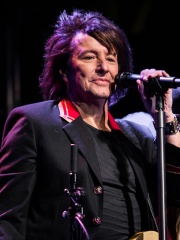
Richie Sambora
1959 - obecnie
HPI: 63.16
Miejsce: 507
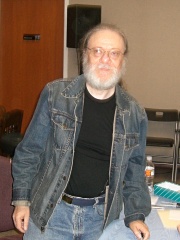
Tommy Ramone
1949 - 2014
HPI: 63.14
Miejsce: 508
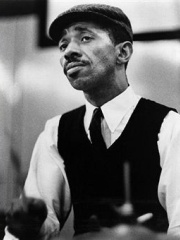
Philly Joe Jones
1923 - 1985
HPI: 63.12
Miejsce: 509
Christoph Eschenbach
1940 - obecnie
HPI: 63.11
Miejsce: 510
Phil Rudd
1954 - obecnie
HPI: 63.11
Miejsce: 511
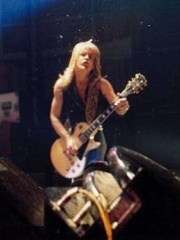
Randy Rhoads
1956 - 1982
HPI: 63.10
Miejsce: 512
Jan Hammer
1948 - obecnie
HPI: 63.10
Miejsce: 513
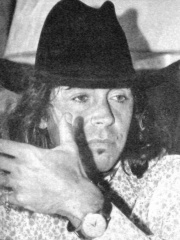
Gato Barbieri
1932 - 2016
HPI: 63.07
Miejsce: 514
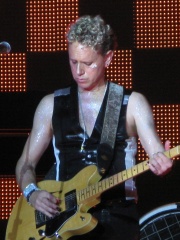
Martin Gore
1961 - obecnie
HPI: 63.06
Miejsce: 515
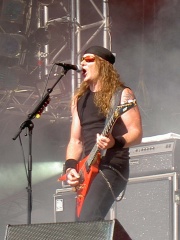
Kai Hansen
1963 - obecnie
HPI: 63.05
Miejsce: 516

Współcześni
Wśród osób urodzonych w 1940 roku Christoph Eschenbach zajmuje 165. miejsce. Przed nim są Ira von Fürstenberg, Jimmy Ellis, Jeffrey Archer, Adel Emam, Just Jaeckin, i Mike Troy. Po nim są Anna Chromý, Graham Allison, Pedro Rodríguez, Gloria Leonard, Muhammad Saeed al-Sahhaf, i Prince Sixtus Henry of Bourbon-Parma.
Inne osoby urodzone w 1940 roku
Zobacz wszystkie rankingi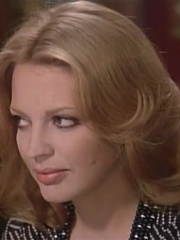
Ira von Fürstenberg
MODEL
1940 - 2024
HPI: 63.32
Miejsce: 159
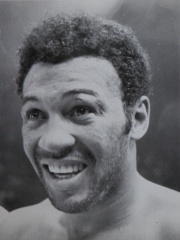
Jimmy Ellis
BOXER
1940 - 2014
HPI: 63.31
Miejsce: 160

Jeffrey Archer
POLITICIAN
1940 - obecnie
HPI: 63.26
Miejsce: 161
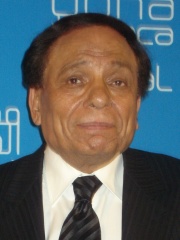
Adel Emam
ACTOR
1940 - obecnie
HPI: 63.16
Miejsce: 162

Just Jaeckin
FILM DIRECTOR
1940 - 2022
HPI: 63.14
Miejsce: 163
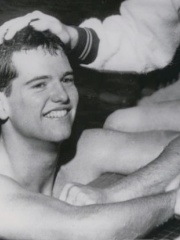
Mike Troy
SWIMMER
1940 - 2019
HPI: 63.14
Miejsce: 164
Christoph Eschenbach
MUSICIAN
1940 - obecnie
HPI: 63.11
Miejsce: 165
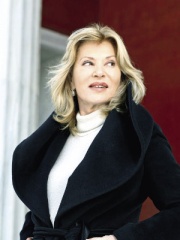
Anna Chromý
PAINTER
1940 - 2021
HPI: 63.10
Miejsce: 166
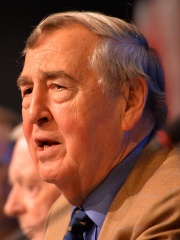
Graham Allison
POLITICAL SCIENTIST
1940 - obecnie
HPI: 62.81
Miejsce: 167
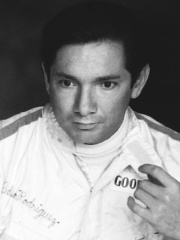
Pedro Rodríguez
RACING DRIVER
1940 - 1971
HPI: 62.78
Miejsce: 168
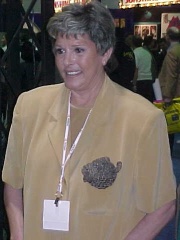
Gloria Leonard
PORNOGRAPHIC ACTOR
1940 - 2014
HPI: 62.74
Miejsce: 169
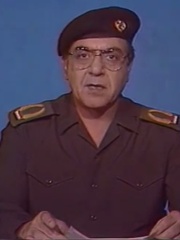
Muhammad Saeed al-Sahhaf
POLITICIAN
1940 - 2021
HPI: 62.65
Miejsce: 170
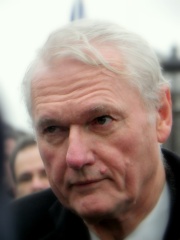
Prince Sixtus Henry of Bourbon-Parma
NOBLEMAN
1940 - obecnie
HPI: 62.61
Miejsce: 171
W kraju Polska
Wśród osób urodzonych w kraju Polska Christoph Eschenbach zajmuje 445. miejsce na 1,694. Przed nim są Adam Kazimierz Czartoryski (1734), Richard Pipes (1923), Kuno Fischer (1824), Zbigniew of Poland (1070), Elsa von Freytag-Loringhoven (1874), i Hedwig Jagiellon, Electress of Brandenburg (1513). Po nim są Leszek the White (1186), Franz Neumann (1900), Mateusz Morawiecki (1968), Arthur Zimmermann (1864), Konrad von Jungingen (1355), i Ernst Niekisch (1889).
Inne osoby urodzone w kraju Polska
Zobacz wszystkie rankingi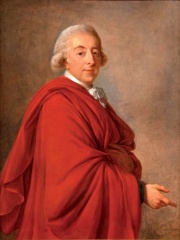
Adam Kazimierz Czartoryski
POLITICIAN
1734 - 1823
HPI: 63.17
Miejsce: 439
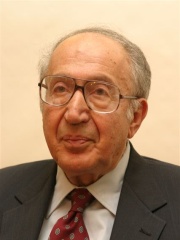
Richard Pipes
HISTORIAN
1923 - 2018
HPI: 63.16
Miejsce: 440
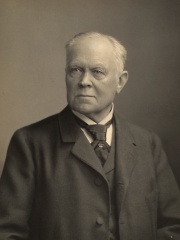
Kuno Fischer
PHILOSOPHER
1824 - 1907
HPI: 63.16
Miejsce: 441
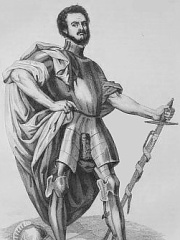
Zbigniew of Poland
POLITICIAN
1070 - 1112
HPI: 63.14
Miejsce: 442
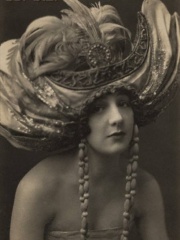
Elsa von Freytag-Loringhoven
ARTIST
1874 - 1927
HPI: 63.13
Miejsce: 443
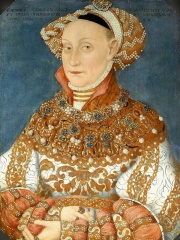
Hedwig Jagiellon, Electress of Brandenburg
POLITICIAN
1513 - 1573
HPI: 63.12
Miejsce: 444
Christoph Eschenbach
MUSICIAN
1940 - obecnie
HPI: 63.11
Miejsce: 445
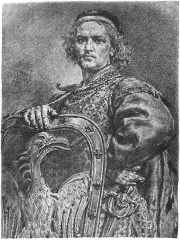
Leszek the White
POLITICIAN
1186 - 1227
HPI: 63.11
Miejsce: 446

Franz Neumann
PHILOSOPHER
1900 - 1954
HPI: 63.11
Miejsce: 447
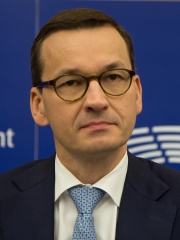
Mateusz Morawiecki
POLITICIAN
1968 - obecnie
HPI: 63.10
Miejsce: 448
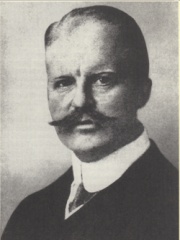
Arthur Zimmermann
POLITICIAN
1864 - 1940
HPI: 63.10
Miejsce: 449
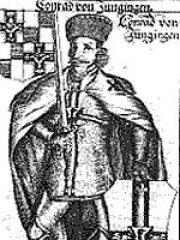
Konrad von Jungingen
POLITICIAN
1355 - 1407
HPI: 63.10
Miejsce: 450
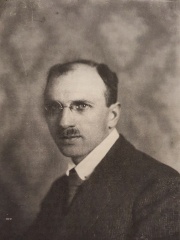
Ernst Niekisch
POLITICIAN
1889 - 1967
HPI: 63.09
Miejsce: 451
Wśród przedstawicieli zawodu Muzyk w kraju Polska
Wśród przedstawicieli zawodu „Muzyk” urodzonych w kraju Polska Christoph Eschenbach zajmuje 12. miejsce. Przed nim są Artur Schnabel (1882), Krystian Zimerman (1956), Carl Tausig (1841), Theodor Leschetizky (1830), Julie Guicciardi (1782), i Josef Hofmann (1876). Po nim są Bronisław Huberman (1882), Xaver Scharwenka (1850), Julian Fontana (1810), Mordechai Gebirtig (1877), Johann Gottfried Piefke (1815), i Theodor Kullak (1818).
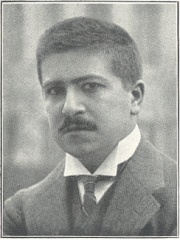
Artur Schnabel
1882 - 1951
HPI: 65.46
Miejsce: 6
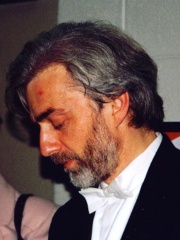
Krystian Zimerman
1956 - obecnie
HPI: 63.96
Miejsce: 7
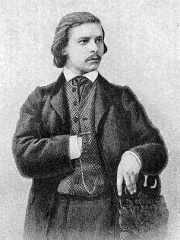
Carl Tausig
1841 - 1871
HPI: 63.88
Miejsce: 8
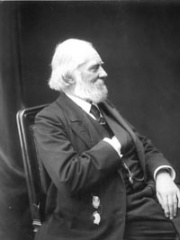
Theodor Leschetizky
1830 - 1915
HPI: 63.83
Miejsce: 9
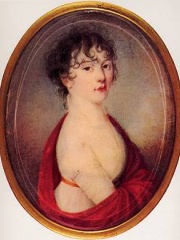
Julie Guicciardi
1782 - 1856
HPI: 63.53
Miejsce: 10
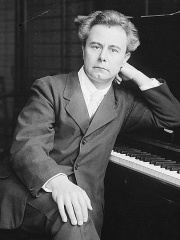
Josef Hofmann
1876 - 1957
HPI: 63.34
Miejsce: 11
Christoph Eschenbach
1940 - obecnie
HPI: 63.11
Miejsce: 12
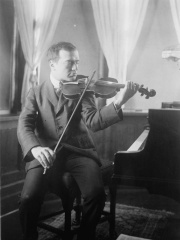
Bronisław Huberman
1882 - 1947
HPI: 62.75
Miejsce: 13
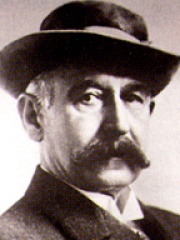
Xaver Scharwenka
1850 - 1924
HPI: 61.10
Miejsce: 14
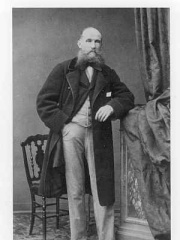
Julian Fontana
1810 - 1869
HPI: 59.39
Miejsce: 15

Mordechai Gebirtig
1877 - 1942
HPI: 59.31
Miejsce: 16
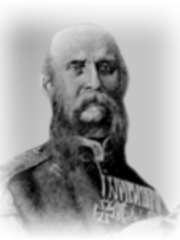
Johann Gottfried Piefke
1815 - 1884
HPI: 58.96
Miejsce: 17
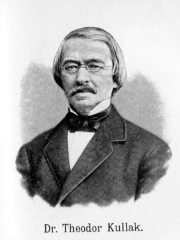
Theodor Kullak
1818 - 1882
HPI: 58.74
Miejsce: 18




