Polityk
Andriy Taran
1955 - obecnie
WYŚWIETLENIA PL.WIKIPEDIA (PV)
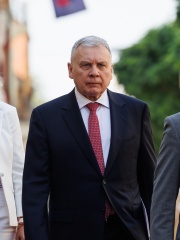
 Andriy Taran
Jego biografia jest dostępna w 18 różnych językach w Wikipedii (wzrost z 17 w 2024 roku). Andriy Taran jest 14817. najpopularniejszym polityk (spadek z 13791. w 2024 roku), 4658. najpopularniejszą biografią Niemcy (spadek z 4347. w 2019 roku) oraz 1188. najpopularniejszym polityk Niemcy.
Wskaźniki rozpoznawalności
31k
Wyświetlenia strony
Ostatnie 12 miesięcy
56.07
HPI
Indeks historycznej popularności
Ciekawostki z danych
4 mar
Andriy Taran obchodzi urodziny tego samego dnia (4 marca) co Antonio Vivaldi, Prince Henry the Navigator i Muhammad Ali of Egypt.
Wyświetlenia strony Andriy Taran według języka
Wśród przedstawicieli zawodu Polityk
Wśród przedstawicieli zawodu „Polityk” Andriy Taran zajmuje 14,810. miejsce na 19,576. Przed nim są Karel Urbánek, Silvia Cartwright, Ali Mansur, Zoran Tegeltija, Jules de Trooz, i Francisco Silvela. Po nim są Vladimir Yermoshin, Fumio Gotō, Simone Segouin, Titus Manlius Torquatus, Prince Friedrich Karl of Prussia, i Bogdan Kobulov.
Najpopularniejsi w Wikipedii: Polityk
Zobacz wszystkie rankingi

Karel Urbánek
1941 - obecnie
HPI: 56.08
Miejsce: 14,811

Silvia Cartwright
1943 - obecnie
HPI: 56.07
Miejsce: 14,812
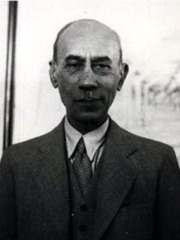
Ali Mansur
1895 - 1974
HPI: 56.07
Miejsce: 14,813
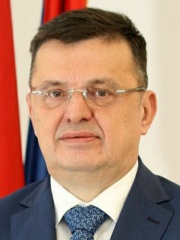
Zoran Tegeltija
1961 - obecnie
HPI: 56.07
Miejsce: 14,814
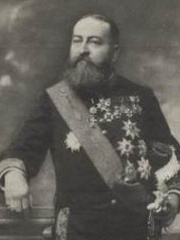
Jules de Trooz
1857 - 1907
HPI: 56.07
Miejsce: 14,815
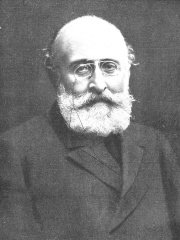
Francisco Silvela
1843 - 1905
HPI: 56.07
Miejsce: 14,816
Andriy Taran
1955 - obecnie
HPI: 56.07
Miejsce: 14,817
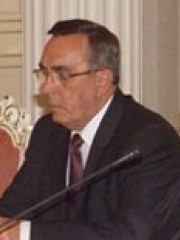
Vladimir Yermoshin
1942 - obecnie
HPI: 56.07
Miejsce: 14,818
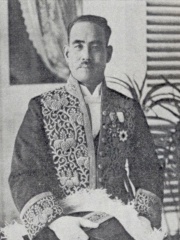
Fumio Gotō
1884 - 1980
HPI: 56.06
Miejsce: 14,819
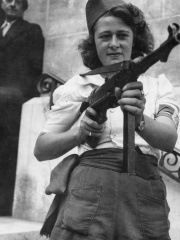
Simone Segouin
1925 - 2023
HPI: 56.06
Miejsce: 14,820

Titus Manlius Torquatus
400 BC - 299 BC
HPI: 56.06
Miejsce: 14,821
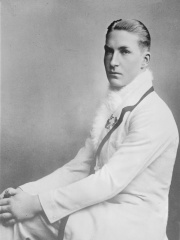
Prince Friedrich Karl of Prussia
1893 - 1917
HPI: 56.06
Miejsce: 14,822
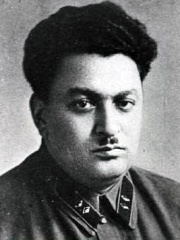
Bogdan Kobulov
1904 - 1953
HPI: 56.06
Miejsce: 14,823

Współcześni
Wśród osób urodzonych w 1955 roku Andriy Taran zajmuje 306. miejsce. Przed nim są Branscombe Richmond, Udo Beyer, Milan Bandić, Mitsuhisa Taguchi, Batista, i Ásgeir Sigurvinsson. Po nim są Serge Vohor, Lucía Méndez, Reba McEntire, Karen Dotrice, Enric Miralles, i Andrei Gavrilov.
Inne osoby urodzone w 1955 roku
Zobacz wszystkie rankingi
Branscombe Richmond
ACTOR
1955 - obecnie
HPI: 56.29
Miejsce: 300
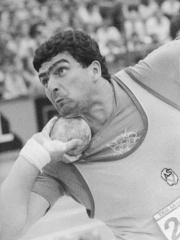
Udo Beyer
ATHLETE
1955 - obecnie
HPI: 56.28
Miejsce: 301
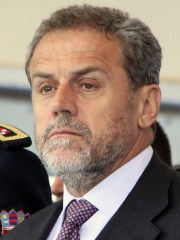
Milan Bandić
POLITICIAN
1955 - 2021
HPI: 56.24
Miejsce: 302
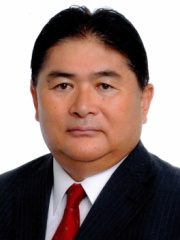
Mitsuhisa Taguchi
SOCCER PLAYER
1955 - 2019
HPI: 56.14
Miejsce: 303

Batista
SOCCER PLAYER
1955 - obecnie
HPI: 56.11
Miejsce: 304

Ásgeir Sigurvinsson
SOCCER PLAYER
1955 - obecnie
HPI: 56.08
Miejsce: 305
Andriy Taran
POLITICIAN
1955 - obecnie
HPI: 56.07
Miejsce: 306
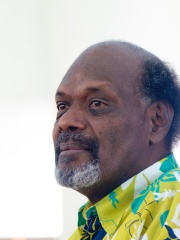
Serge Vohor
POLITICIAN
1955 - 2024
HPI: 56.06
Miejsce: 307

Lucía Méndez
ACTOR
1955 - obecnie
HPI: 56.04
Miejsce: 308

Reba McEntire
SINGER
1955 - obecnie
HPI: 56.02
Miejsce: 309

Karen Dotrice
ACTOR
1955 - obecnie
HPI: 56.02
Miejsce: 310

Enric Miralles
ARCHITECT
1955 - 2000
HPI: 55.95
Miejsce: 311
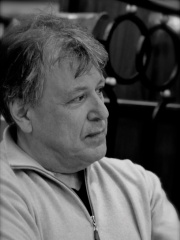
Andrei Gavrilov
MUSICIAN
1955 - obecnie
HPI: 55.95
Miejsce: 312
W kraju Niemcy
Wśród osób urodzonych w kraju Niemcy Andriy Taran zajmuje 4,658. miejsce na 7,253. Przed nim są Otto Heckmann (1901), Melchior Vulpius (1570), Manfred Krug (1937), Burghart Klaußner (1949), Edward Berger (1970), i Sigmund Haringer (1908). Po nim są Johann Faulhaber (1580), Günter Kunert (1929), Prince Friedrich Karl of Prussia (1893), Duchess Gustave Caroline of Mecklenburg-Strelitz (1694), Inge Helten (1950), i Natja Brunckhorst (1966).
Inne osoby urodzone w kraju Niemcy
Zobacz wszystkie rankingi
Otto Heckmann
ASTRONOMER
1901 - 1983
HPI: 56.09
Miejsce: 4,652

Melchior Vulpius
COMPOSER
1570 - 1615
HPI: 56.08
Miejsce: 4,653
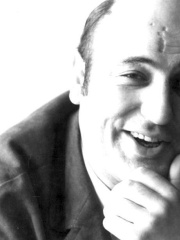
Manfred Krug
ACTOR
1937 - 2016
HPI: 56.08
Miejsce: 4,654
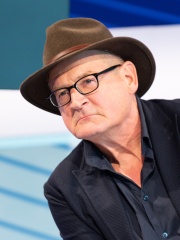
Burghart Klaußner
ACTOR
1949 - obecnie
HPI: 56.08
Miejsce: 4,655

Edward Berger
FILM DIRECTOR
1970 - obecnie
HPI: 56.07
Miejsce: 4,656

Sigmund Haringer
SOCCER PLAYER
1908 - 1975
HPI: 56.07
Miejsce: 4,657
Andriy Taran
POLITICIAN
1955 - obecnie
HPI: 56.07
Miejsce: 4,658
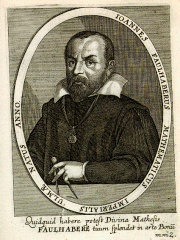
Johann Faulhaber
MATHEMATICIAN
1580 - 1635
HPI: 56.07
Miejsce: 4,659
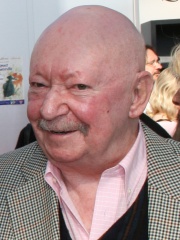
Günter Kunert
WRITER
1929 - 2019
HPI: 56.06
Miejsce: 4,660
Prince Friedrich Karl of Prussia
POLITICIAN
1893 - 1917
HPI: 56.06
Miejsce: 4,661
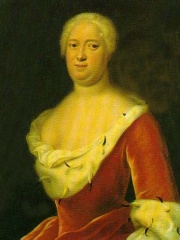
Duchess Gustave Caroline of Mecklenburg-Strelitz
NOBLEMAN
1694 - 1748
HPI: 56.06
Miejsce: 4,662

Inge Helten
ATHLETE
1950 - obecnie
HPI: 56.04
Miejsce: 4,663
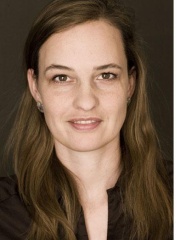
Natja Brunckhorst
ACTOR
1966 - obecnie
HPI: 56.03
Miejsce: 4,664
Wśród przedstawicieli zawodu Polityk w kraju Niemcy
Wśród przedstawicieli zawodu „Polityk” urodzonych w kraju Niemcy Andriy Taran zajmuje 1,188. miejsce. Przed nim są Eugen Bolz (1881), Charles-Mathias Simons (1802), Johann Wadephul (1963), Gerhard Stoltenberg (1928), Joseph von Radowitz (1797), i Rudolf Scharping (1947). Po nim są Prince Friedrich Karl of Prussia (1893), Günther Beckstein (1943), Otto Winzer (1902), Heinrich XIX, Prince Reuss of Greiz (1790), Haim Katz (1947), i Uwe Barschel (1944).
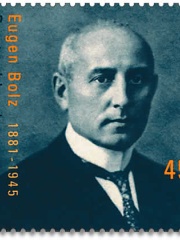
Eugen Bolz
1881 - 1945
HPI: 56.22
Miejsce: 1,182
Charles-Mathias Simons
1802 - 1874
HPI: 56.21
Miejsce: 1,183
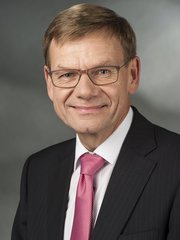
Johann Wadephul
1963 - obecnie
HPI: 56.19
Miejsce: 1,184
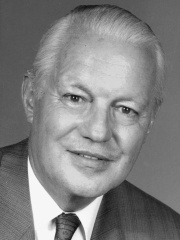
Gerhard Stoltenberg
1928 - 2001
HPI: 56.14
Miejsce: 1,185
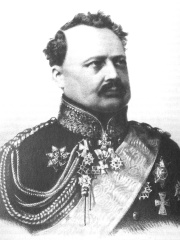
Joseph von Radowitz
1797 - 1853
HPI: 56.12
Miejsce: 1,186
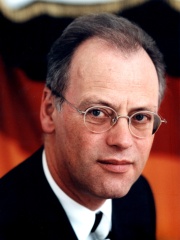
Rudolf Scharping
1947 - obecnie
HPI: 56.09
Miejsce: 1,187
Andriy Taran
1955 - obecnie
HPI: 56.07
Miejsce: 1,188
Prince Friedrich Karl of Prussia
1893 - 1917
HPI: 56.06
Miejsce: 1,189
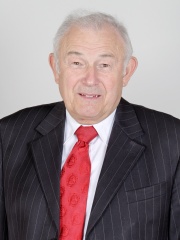
Günther Beckstein
1943 - obecnie
HPI: 56.00
Miejsce: 1,190
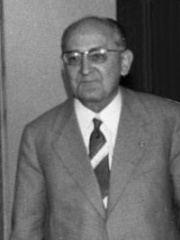
Otto Winzer
1902 - 1975
HPI: 55.91
Miejsce: 1,191
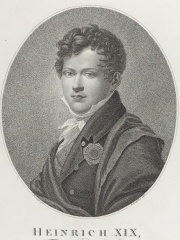
Heinrich XIX, Prince Reuss of Greiz
1790 - 1836
HPI: 55.91
Miejsce: 1,192
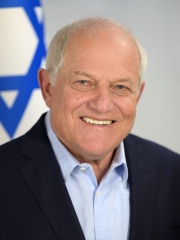
Haim Katz
1947 - obecnie
HPI: 55.90
Miejsce: 1,193
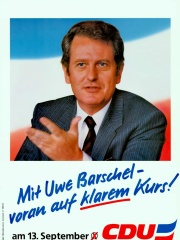
Uwe Barschel
1944 - 1987
HPI: 55.75
Miejsce: 1,194




