Politicus
Tomomi Inada
1959 - heden
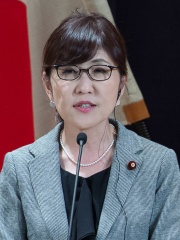

 Tomomi Inada
Haar biografie is beschikbaar in 21 verschillende talen op Wikipedia (toegenomen van 18 in 2024). Tomomi Inada staat op plaats 17.156 onder de meest populaire politicus (gedaald van plaats 16.882 in 2024), plaats 1.876 onder de meest populaire biografieën uit Japan (gedaald van plaats 1.689 in 2019) en op plaats 354 onder de populairste politicus uit Japan.
Memorability Metrics
230k
Page Views
Past 12 months
51.75
HPI
Historical Popularity Index
Page views of Tomomi Inada by language
Among Politicuses
Among politicuses, Tomomi Inada ranks 17,149 out of 19,576. Before her are Eric Schmitt, Azim Isabekov, Said Seyam, Joseph Jouthe, Igor Korobov, and Kirti Nidhi Bista. After her are Elke Kahr, Aleksandar Vulin, Grasulf II of Friuli, Cynthia Lummis, Henry Percy, 3rd Earl of Northumberland, and Alireza Akbari.
Most Popular Politicuses in Wikipedia
Go to all Rankings

Eric Schmitt
1975 - Present
HPI: 51.75
Rank: 17,150

Azim Isabekov
1960 - Present
HPI: 51.75
Rank: 17,151

Said Seyam
1959 - 2009
HPI: 51.75
Rank: 17,152

Joseph Jouthe
1961 - Present
HPI: 51.75
Rank: 17,153

Igor Korobov
1956 - 2018
HPI: 51.75
Rank: 17,154

Kirti Nidhi Bista
1927 - 2017
HPI: 51.75
Rank: 17,155
Tomomi Inada
1959 - Present
HPI: 51.75
Rank: 17,156

Elke Kahr
1961 - Present
HPI: 51.74
Rank: 17,157

Aleksandar Vulin
1972 - Present
HPI: 51.73
Rank: 17,158

Grasulf II of Friuli
HPI: 51.73
Rank: 17,159

Cynthia Lummis
1954 - Present
HPI: 51.73
Rank: 17,160

Henry Percy, 3rd Earl of Northumberland
1421 - 1461
HPI: 51.72
Rank: 17,161

Alireza Akbari
1961 - 2023
HPI: 51.72
Rank: 17,162

Contemporaries
Among people born in 1959, Tomomi Inada ranks 485. Before her are Marco Antonio Solís, Ashlyn Gere, Zabou Breitman, Laila Robins, David Beauchard, and Said Seyam. After her are Franz-Peter Tebartz-van Elst, Chris Hadfield, Angelo Scuri, Sergey Gotsmanov, Gerard Plessers, and Cherif Mohamed Aly Aidara.
Others Born in 1959
Go to all Rankings
Marco Antonio Solís
SINGER
1959 - Present
HPI: 51.77
Rank: 479

Ashlyn Gere
PORNOGRAPHIC ACTOR
1959 - Present
HPI: 51.77
Rank: 480

Zabou Breitman
ACTOR
1959 - Present
HPI: 51.77
Rank: 481

Laila Robins
ACTOR
1959 - Present
HPI: 51.77
Rank: 482

David Beauchard
COMIC ARTIST
1959 - Present
HPI: 51.76
Rank: 483
Said Seyam
POLITICIAN
1959 - 2009
HPI: 51.75
Rank: 484
Tomomi Inada
POLITICIAN
1959 - Present
HPI: 51.75
Rank: 485

Franz-Peter Tebartz-van Elst
RELIGIOUS FIGURE
1959 - Present
HPI: 51.69
Rank: 486

Chris Hadfield
ASTRONAUT
1959 - Present
HPI: 51.55
Rank: 487

Angelo Scuri
ATHLETE
1959 - Present
HPI: 51.51
Rank: 488

Sergey Gotsmanov
SOCCER PLAYER
1959 - Present
HPI: 51.42
Rank: 489

Gerard Plessers
SOCCER PLAYER
1959 - Present
HPI: 51.42
Rank: 490
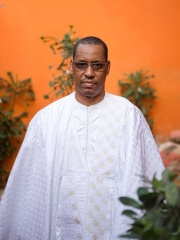
Cherif Mohamed Aly Aidara
RELIGIOUS FIGURE
1959 - Present
HPI: 51.35
Rank: 491
In Japan
Among people born in Japan, Tomomi Inada ranks 1,876 out of NaN. Before her are Hiroshi Ohashi (1959), Takuya Ito (1976), Kazuhiro Ninomiya (1946), Naoto Satō (1953), Wataru Inoue (1986), and Tarako (1960). After her are Takashi Mizunuma (1960), Yujiro Haraguchi (1992), Shuta Takahashi (1983), Katsuo Kanda (1966), Kota Minami (1979), and Seiji Maehara (1962).
Others born in Japan
Go to all Rankings
Hiroshi Ohashi
COACH
1959 - Present
HPI: 51.81
Rank: 1,870

Takuya Ito
SOCCER PLAYER
1976 - Present
HPI: 51.80
Rank: 1,871

Kazuhiro Ninomiya
MARTIAL ARTS
1946 - 2026
HPI: 51.80
Rank: 1,872

Naoto Satō
ASTRONOMER
1953 - Present
HPI: 51.78
Rank: 1,873

Wataru Inoue
SOCCER PLAYER
1986 - Present
HPI: 51.76
Rank: 1,874

Tarako
ACTOR
1960 - 2024
HPI: 51.75
Rank: 1,875
Tomomi Inada
POLITICIAN
1959 - Present
HPI: 51.75
Rank: 1,876

Takashi Mizunuma
SOCCER PLAYER
1960 - Present
HPI: 51.74
Rank: 1,877

Yujiro Haraguchi
SOCCER PLAYER
1992 - Present
HPI: 51.73
Rank: 1,878

Shuta Takahashi
SOCCER PLAYER
1983 - Present
HPI: 51.72
Rank: 1,879

Katsuo Kanda
SOCCER PLAYER
1966 - Present
HPI: 51.72
Rank: 1,880

Kota Minami
SOCCER PLAYER
1979 - Present
HPI: 51.71
Rank: 1,881

Seiji Maehara
POLITICIAN
1962 - Present
HPI: 51.71
Rank: 1,882
Among Politicuses In Japan
Among politicuses born in Japan, Tomomi Inada ranks 354. Before her are Kunio Hatoyama (1948), Katsuya Okada (1953), Tomio Okamura (1972), Hsiao Bi-khim (1971), Ümit Özdağ (1961), and Shidzue Katō (1897). After her are Seiji Maehara (1962), Tarō Kōno (1963), Kinuko Tanida (1939), Hiroshi Abe (1958), Yukio Edano (1964), and Renhō (1967).
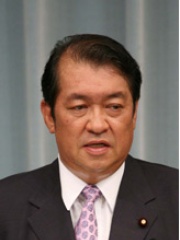
Kunio Hatoyama
1948 - 2016
HPI: 53.25
Rank: 348
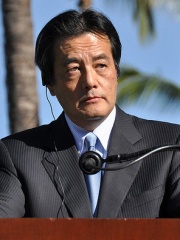
Katsuya Okada
1953 - Present
HPI: 53.00
Rank: 349

Tomio Okamura
1972 - Present
HPI: 52.97
Rank: 350

Hsiao Bi-khim
1971 - Present
HPI: 52.56
Rank: 351

Ümit Özdağ
1961 - Present
HPI: 51.91
Rank: 352
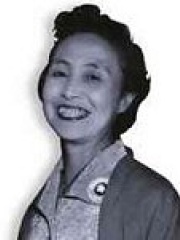
Shidzue Katō
1897 - 2001
HPI: 51.81
Rank: 353
Tomomi Inada
1959 - Present
HPI: 51.75
Rank: 354
Seiji Maehara
1962 - Present
HPI: 51.71
Rank: 355

Tarō Kōno
1963 - Present
HPI: 51.57
Rank: 356

Kinuko Tanida
1939 - 2020
HPI: 51.34
Rank: 357

Hiroshi Abe
1958 - Present
HPI: 51.19
Rank: 358

Yukio Edano
1964 - Present
HPI: 50.47
Rank: 359

Renhō
1967 - Present
HPI: 49.75
Rank: 360




