Atleet
Marco Galiazzo
1983 - heden
NL.WIKIPEDIA PAGE VIEWS (PV)
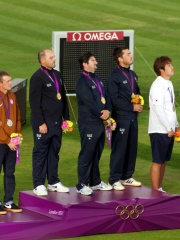
 Marco Galiazzo
Zijn biografie is beschikbaar in 26 verschillende talen op Wikipedia (toegenomen van 24 in 2024). Marco Galiazzo staat op plaats 3.599 onder de meest populaire atleet (gestegen van plaats 3.828 in 2024), plaats 4.794 onder de meest populaire biografieën uit Italië (gedaald van plaats 4.790 in 2019) en op plaats 142 onder de populairste atleet uit Italië.
Memorability Metrics
5.4k
Page Views
Past 12 months
44.64
HPI
Historical Popularity Index
Page views of Marco Galiazzo by language
Among Atleets
Among atleets, Marco Galiazzo ranks 3,599 out of 6,025. Before him are Remigija Nazarovienė, József Navarrete, Dominik Windisch, Jan Behrendt, Thiago Monteiro, and Rui Silva. After him are Anastasiya Kapachinskaya, Albert Demchenko, Thomas Green, Terrence Paul, Brian Price, and Bryan Clay.
Most Popular Atleets in Wikipedia
Go to all Rankings

Remigija Nazarovienė
1967 - Present
HPI: 44.66
Rank: 3,593

József Navarrete
1965 - Present
HPI: 44.65
Rank: 3,594
Dominik Windisch
1989 - Present
HPI: 44.65
Rank: 3,595
Jan Behrendt
1967 - Present
HPI: 44.64
Rank: 3,596

Thiago Monteiro
HPI: 44.64
Rank: 3,597
Rui Silva
1977 - Present
HPI: 44.64
Rank: 3,598
Marco Galiazzo
1983 - Present
HPI: 44.64
Rank: 3,599
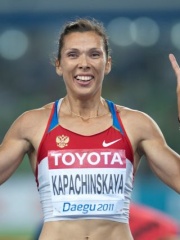
Anastasiya Kapachinskaya
1979 - Present
HPI: 44.63
Rank: 3,600
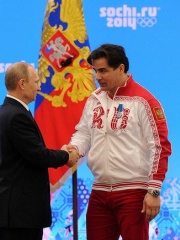
Albert Demchenko
1971 - Present
HPI: 44.63
Rank: 3,601

Thomas Green
HPI: 44.63
Rank: 3,602

Terrence Paul
1964 - Present
HPI: 44.63
Rank: 3,603

Brian Price
1976 - Present
HPI: 44.63
Rank: 3,604
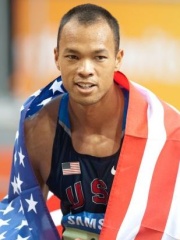
Bryan Clay
1980 - Present
HPI: 44.63
Rank: 3,605

Contemporaries
Among people born in 1983, Marco Galiazzo ranks 556. Before him are Johnny Acosta, Serik Sapiyev, Jesús Valenzuela, Ninet Tayeb, Brian Murphy, and Paweł Brożek. After him are Pantelis Pantelidis, Princess Yōko of Mikasa, David Oakes, Mohamed Abdelwahab, Lukáš Dlouhý, and Lee Sang-yeob.
Others Born in 1983
Go to all Rankings
Johnny Acosta
SOCCER PLAYER
1983 - Present
HPI: 44.69
Rank: 550
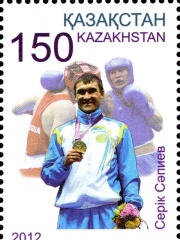
Serik Sapiyev
BOXER
1983 - Present
HPI: 44.69
Rank: 551
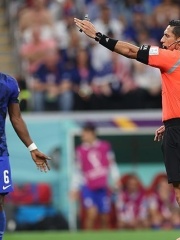
Jesús Valenzuela
REFEREE
1983 - Present
HPI: 44.69
Rank: 552
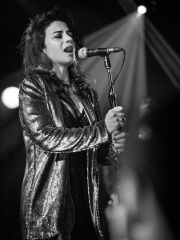
Ninet Tayeb
SINGER
1983 - Present
HPI: 44.69
Rank: 553

Brian Murphy
SOCCER PLAYER
1983 - Present
HPI: 44.67
Rank: 554
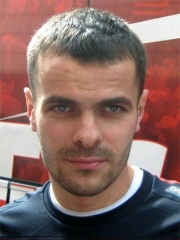
Paweł Brożek
SOCCER PLAYER
1983 - Present
HPI: 44.64
Rank: 555
Marco Galiazzo
ATHLETE
1983 - Present
HPI: 44.64
Rank: 556
Pantelis Pantelidis
SINGER
1983 - 2016
HPI: 44.63
Rank: 557

Princess Yōko of Mikasa
NOBLEMAN
1983 - Present
HPI: 44.61
Rank: 558
David Oakes
ACTOR
1983 - Present
HPI: 44.60
Rank: 559

Mohamed Abdelwahab
SOCCER PLAYER
1983 - 2006
HPI: 44.60
Rank: 560
Lukáš Dlouhý
TENNIS PLAYER
1983 - Present
HPI: 44.55
Rank: 561

Lee Sang-yeob
ACTOR
1983 - Present
HPI: 44.55
Rank: 562
In Italië
Among people born in Italië, Marco Galiazzo ranks 4,794 out of NaN. Before him are Giulio Ciccone (1994), Giulio Berruti (1984), Alberta Brianti (1980), Dorina Vaccaroni (1963), Dominik Windisch (1989), and Marco Villa (1969). After him are Thomas Green (null), Cristiano Biraghi (1992), Domenico Pozzovivo (1982), Francesca Lollobrigida (1991), Matteo Tosatto (1974), and Jole Santelli (1968).
Others born in Italië
Go to all Rankings
Giulio Ciccone
CYCLIST
1994 - Present
HPI: 44.69
Rank: 4,788
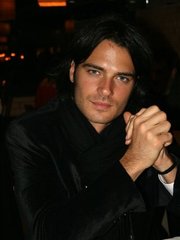
Giulio Berruti
ACTOR
1984 - Present
HPI: 44.68
Rank: 4,789
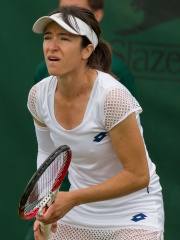
Alberta Brianti
TENNIS PLAYER
1980 - Present
HPI: 44.68
Rank: 4,790
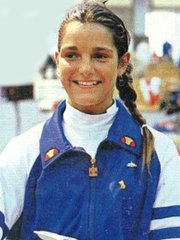
Dorina Vaccaroni
FENCER
1963 - Present
HPI: 44.65
Rank: 4,791
Dominik Windisch
ATHLETE
1989 - Present
HPI: 44.65
Rank: 4,792
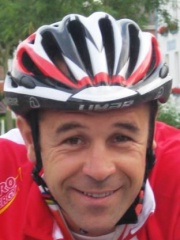
Marco Villa
CYCLIST
1969 - Present
HPI: 44.64
Rank: 4,793
Marco Galiazzo
ATHLETE
1983 - Present
HPI: 44.64
Rank: 4,794
Thomas Green
ATHLETE
HPI: 44.63
Rank: 4,795
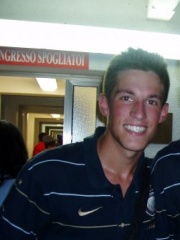
Cristiano Biraghi
SOCCER PLAYER
1992 - Present
HPI: 44.62
Rank: 4,796
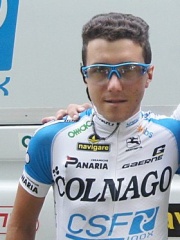
Domenico Pozzovivo
CYCLIST
1982 - Present
HPI: 44.59
Rank: 4,797

Francesca Lollobrigida
SKATER
1991 - Present
HPI: 44.56
Rank: 4,798
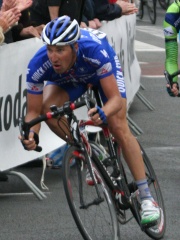
Matteo Tosatto
CYCLIST
1974 - Present
HPI: 44.56
Rank: 4,799
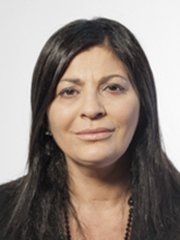
Jole Santelli
POLITICIAN
1968 - 2020
HPI: 44.55
Rank: 4,800
Among Atleets In Italië
Among atleets born in Italië, Marco Galiazzo ranks 142. Before him are Alessandro Puccini (1968), Stefano Tilli (1962), Maurizio Randazzo (1964), Michele Frangilli (1976), Giovanni Pellielo (1970), and Dominik Windisch (1989). After him are Thomas Green (null), Annarita Sidoti (1969), Ivano Brugnetti (1976), Giovanni De Benedictis (1968), Elisa Uga (1968), and Elisabetta Perrone (1968).

Alessandro Puccini
1968 - Present
HPI: 45.31
Rank: 136
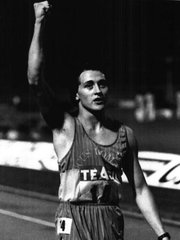
Stefano Tilli
1962 - Present
HPI: 45.21
Rank: 137

Maurizio Randazzo
1964 - Present
HPI: 45.04
Rank: 138

Michele Frangilli
1976 - Present
HPI: 44.95
Rank: 139

Giovanni Pellielo
1970 - Present
HPI: 44.72
Rank: 140
Dominik Windisch
1989 - Present
HPI: 44.65
Rank: 141
Marco Galiazzo
1983 - Present
HPI: 44.64
Rank: 142
Thomas Green
HPI: 44.63
Rank: 143
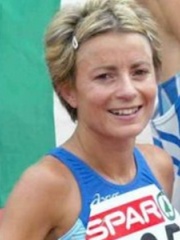
Annarita Sidoti
1969 - 2015
HPI: 44.43
Rank: 144
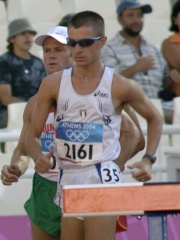
Ivano Brugnetti
1976 - Present
HPI: 44.30
Rank: 145
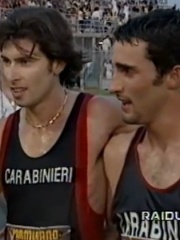
Giovanni De Benedictis
1968 - Present
HPI: 44.27
Rank: 146

Elisa Uga
1968 - Present
HPI: 44.11
Rank: 147
Elisabetta Perrone
1968 - Present
HPI: 43.87
Rank: 148




