Religieuze figuur
Jair
1000 BC - heden
NL.WIKIPEDIA-PAGINAWEERGAVEN (PV)
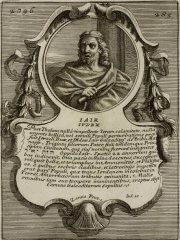
 Jair
Jair
Zijn biografie is beschikbaar in 24 verschillende talen op Wikipedia. Jair staat op plaats 1.710 onder de meest populaire religieuze figuur (gedaald van plaats 1.369 in 2024), plaats 17 onder de meest populaire biografieën uit Jordanië (gestegen van plaats 18 in 2019) en op plaats 6 onder de populairste religieuze figuur uit Jordanië.
Bekendheidsstatistieken
24k
Paginaweergaven
Afgelopen 12 maanden
62.26
HPI
Historische populariteitsindex
Data-inzichten
24
De biografie van Jair beslaat 24 taalversies van Wikipedia en behaalt een Historische Populariteitsindex van 62.26.
Paginaweergaven van Jair per taal
Onder Religieuze figuur
Onder Religieuze figuur staat Jair op plaats 1,710 van 3,187. Vóór hem staan Hermann Gmeiner, John Njue, Maria Schicklgruber, Giovanni Urbani, Clare of Montefalco, en Anna Schäffer. Na hem komen Shushanik, Lanfranc, Archduke Charles Joseph of Austria, Modestus of Jerusalem, Marina the Monk, en Júlio Duarte Langa.
Populairste Religieuze figuur op Wikipedia
Naar alle ranglijsten
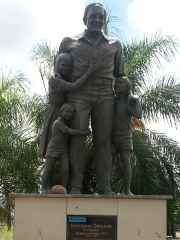
Hermann Gmeiner
1919 - 1986
HPI: 62.29
Plaats: 1,704
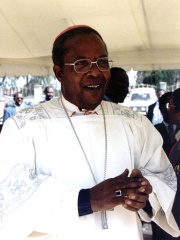
John Njue
1944 - heden
HPI: 62.29
Plaats: 1,705

Maria Schicklgruber
1795 - 1847
HPI: 62.28
Plaats: 1,706

Giovanni Urbani
1900 - 1969
HPI: 62.27
Plaats: 1,707
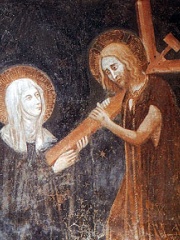
Clare of Montefalco
1268 - 1308
HPI: 62.27
Plaats: 1,708
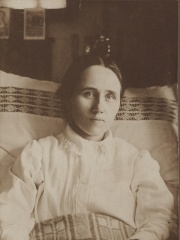
Anna Schäffer
1882 - 1925
HPI: 62.26
Plaats: 1,709
Jair
1000 BC - heden
HPI: 62.26
Plaats: 1,710
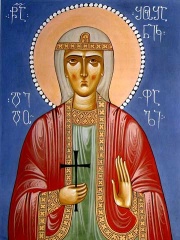
Shushanik
440 - 475
HPI: 62.26
Plaats: 1,711
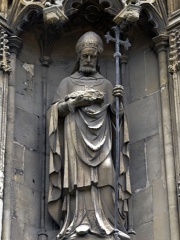
Lanfranc
1005 - 1089
HPI: 62.26
Plaats: 1,712
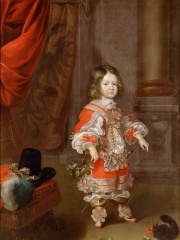
Archduke Charles Joseph of Austria
1649 - 1664
HPI: 62.25
Plaats: 1,713
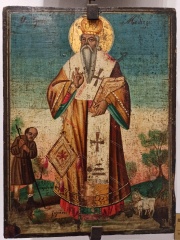
Modestus of Jerusalem
537 - 634
HPI: 62.24
Plaats: 1,714

Marina the Monk
715 - 750
HPI: 62.24
Plaats: 1,715
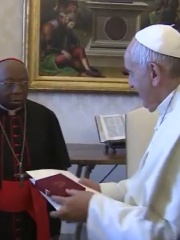
Júlio Duarte Langa
1927 - heden
HPI: 62.24
Plaats: 1,716

Tijdgenoten
Onder de mensen geboren in 1000 BC staat Jair op plaats 29. Vóór hem staan Tukulti-Ninurta II, Tiglath-Pileser II, Ashur-dan II, Takelot I, King Gong of Zhou, en Nathan. Na hem komen Ben-Hadad I, King Yi of Zhou, Harsiese A, en Maitreyi.
Anderen geboren in 1000 BC
Naar alle ranglijsten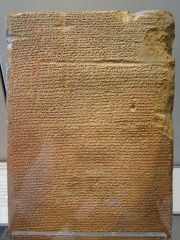
Tukulti-Ninurta II
POLITICIAN
1000 BC - 900 BC
HPI: 64.84
Plaats: 23

Tiglath-Pileser II
POLITICIAN
1000 BC - 935 BC
HPI: 64.30
Plaats: 24
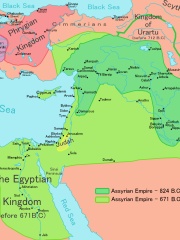
Ashur-dan II
POLITICIAN
1000 BC - 960 BC
HPI: 64.11
Plaats: 25
Takelot I
POLITICIAN
1000 BC - 874 BC
HPI: 63.72
Plaats: 26

King Gong of Zhou
POLITICIAN
1000 BC - 900 BC
HPI: 62.87
Plaats: 27
Nathan
RELIGIOUS FIGURE
1000 BC - 960 BC
HPI: 62.48
Plaats: 28
Jair
RELIGIOUS FIGURE
1000 BC - heden
HPI: 62.26
Plaats: 29
Ben-Hadad I
POLITICIAN
1000 BC - 900 BC
HPI: 61.50
Plaats: 30
King Yi of Zhou
POLITICIAN
1000 BC - 892 BC
HPI: 60.89
Plaats: 31
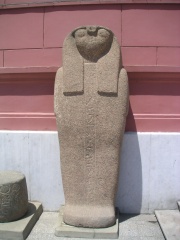
Harsiese A
RELIGIOUS FIGURE
1000 BC - 860 BC
HPI: 56.99
Plaats: 32

Maitreyi
PHILOSOPHER
1000 BC - 1000 BC
HPI: 56.61
Plaats: 33
In Jordanië
Onder de mensen geboren in Jordanië staat Jair op plaats 17 van 59. Vóór hem staan Abu Musab al-Zarqawi (1966), Balak (null), Phinehas (-1300), Nayef Hawatmeh (1938), Haya bint Hussein (1974), en Meleager of Gadara (-130). Na hem komen Fouad Twal (1940), Simon bar Giora (100), Marouf al-Bakhit (1947), Abdelsalam Majali (1925), Abdullah Ensour (1939), en Prince Hassan bin Talal (1947).
Anderen geboren in Jordanië
Naar alle ranglijsten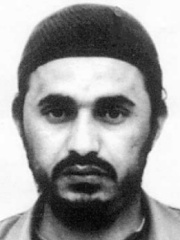
Abu Musab al-Zarqawi
EXTREMIST
1966 - 2006
HPI: 66.27
Plaats: 11
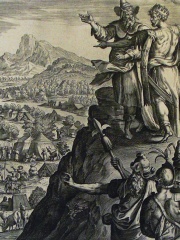
Balak
RELIGIOUS FIGURE
HPI: 64.48
Plaats: 12
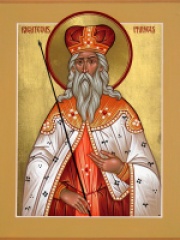
Phinehas
RELIGIOUS FIGURE
1300 BC - heden
HPI: 64.45
Plaats: 13

Nayef Hawatmeh
POLITICIAN
1938 - heden
HPI: 64.44
Plaats: 14

Haya bint Hussein
POLITICIAN
1974 - heden
HPI: 62.71
Plaats: 15

Meleager of Gadara
WRITER
130 BC - 60 BC
HPI: 62.50
Plaats: 16
Jair
RELIGIOUS FIGURE
1000 BC - heden
HPI: 62.26
Plaats: 17
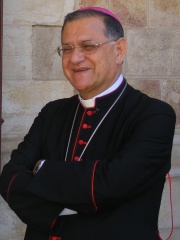
Fouad Twal
RELIGIOUS FIGURE
1940 - heden
HPI: 62.05
Plaats: 18

Simon bar Giora
SOCIAL ACTIVIST
100 - 70
HPI: 61.73
Plaats: 19
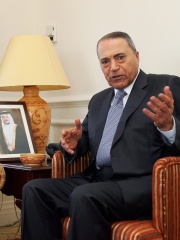
Marouf al-Bakhit
POLITICIAN
1947 - 2023
HPI: 61.05
Plaats: 20

Abdelsalam Majali
POLITICIAN
1925 - 2023
HPI: 57.74
Plaats: 21
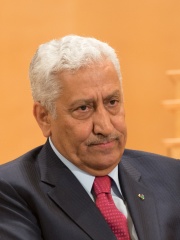
Abdullah Ensour
POLITICIAN
1939 - heden
HPI: 57.74
Plaats: 22
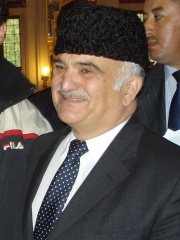
Prince Hassan bin Talal
POLITICIAN
1947 - heden
HPI: 57.73
Plaats: 23
Onder Religieuze figuur in Jordanië
Onder Religieuze figuur geboren in Jordanië staat Jair op plaats 6. Vóór hem staan Aaron (-1396), Al-Mansur (714), Jephthah (-1118), Balak (null), en Phinehas (-1300). Na hem komen Fouad Twal (1940), en Maroun Elias Nimeh Lahham (1948).
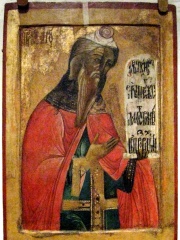
Aaron
1396 BC - 1274 BC
HPI: 88.47
Plaats: 1
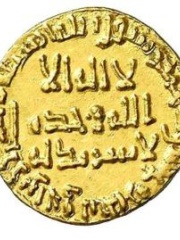
Al-Mansur
714 - 775
HPI: 74.78
Plaats: 2
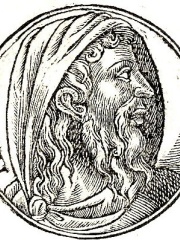
Jephthah
1118 BC - 1080 BC
HPI: 72.37
Plaats: 3
Balak
HPI: 64.48
Plaats: 4
Phinehas
1300 BC - heden
HPI: 64.45
Plaats: 5
Jair
1000 BC - heden
HPI: 62.26
Plaats: 6
Fouad Twal
1940 - heden
HPI: 62.05
Plaats: 7
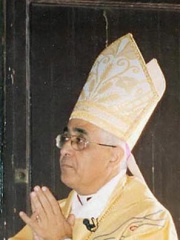
Maroun Elias Nimeh Lahham
1948 - heden
HPI: 55.87
Plaats: 8




