Atleet
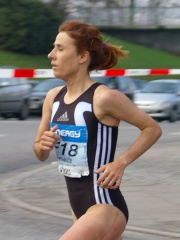
Fernanda Ribeiro
1969 - heden
NL.WIKIPEDIA-PAGINAWEERGAVEN (PV)
 Fernanda Ribeiro
Haar biografie is beschikbaar in 25 verschillende talen op Wikipedia. Fernanda Ribeiro staat op plaats 2.603 onder de meest populaire atleet (gedaald van plaats 2.524 in 2024), plaats 478 onder de meest populaire biografieën uit Portugal (gedaald van plaats 460 in 2019) en op plaats 8 onder de populairste atleet uit Portugal.
Bekendheidsstatistieken
13k
Paginaweergaven
Afgelopen 12 maanden
48.75
HPI
Historische populariteitsindex
Data-inzichten
23 jun
Fernanda Ribeiro is jarig op dezelfde dag (23 juni) als Edward VIII, Alan Turing en Joséphine de Beauharnais.
Paginaweergaven van Fernanda Ribeiro per taal
Onder Atleet
Onder Atleet staat Fernanda Ribeiro op plaats 2,603 van 6,025. Vóór haar staan Sherri Howard, Tudor Casapu, Diana Gansky, Mark Richardson, Maureen George, en Pasquale Passarelli. Na haar komen Alina Astafei, Devon Larratt, Kirsten Wenzel, Alonzo Babers, Lisa Vittozzi, en Marioara Trașcă.
Populairste Atleet op Wikipedia
Naar alle ranglijsten

Sherri Howard
1962 - heden
HPI: 48.79
Plaats: 2,597

Tudor Casapu
1963 - heden
HPI: 48.79
Plaats: 2,598
Diana Gansky
1963 - heden
HPI: 48.79
Plaats: 2,599

Mark Richardson
1972 - heden
HPI: 48.78
Plaats: 2,600

Maureen George
1955 - heden
HPI: 48.76
Plaats: 2,601
Pasquale Passarelli
1957 - heden
HPI: 48.75
Plaats: 2,602
Fernanda Ribeiro
1969 - heden
HPI: 48.75
Plaats: 2,603
Alina Astafei
1969 - heden
HPI: 48.75
Plaats: 2,604

Devon Larratt
1975 - heden
HPI: 48.75
Plaats: 2,605

Kirsten Wenzel
1961 - heden
HPI: 48.75
Plaats: 2,606
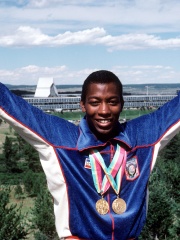
Alonzo Babers
1961 - heden
HPI: 48.73
Plaats: 2,607
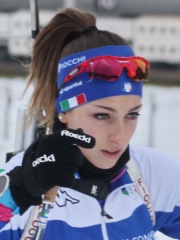
Lisa Vittozzi
1995 - heden
HPI: 48.73
Plaats: 2,608
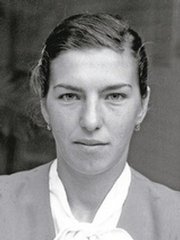
Marioara Trașcă
1962 - heden
HPI: 48.72
Plaats: 2,609

Tijdgenoten
Onder de mensen geboren in 1969 staat Fernanda Ribeiro op plaats 590. Vóór haar staan Andrew Howard, Syarhey Rumas, Ron "Bumblefoot" Thal, Tony Meola, Michael von Grünigen, en Tōru Hashimoto. Na haar komen Alina Astafei, Akemi Okamura, Cornelius, Avril Haines, Jury Chechi, en Jorge Otero.
Anderen geboren in 1969
Naar alle ranglijsten
Andrew Howard
ACTOR
1969 - heden
HPI: 48.88
Plaats: 584
Syarhey Rumas
POLITICIAN
1969 - heden
HPI: 48.87
Plaats: 585

Ron "Bumblefoot" Thal
MUSICIAN
1969 - heden
HPI: 48.84
Plaats: 586
Tony Meola
SOCCER PLAYER
1969 - heden
HPI: 48.84
Plaats: 587
Michael von Grünigen
SKIER
1969 - heden
HPI: 48.77
Plaats: 588

Tōru Hashimoto
POLITICIAN
1969 - heden
HPI: 48.75
Plaats: 589
Fernanda Ribeiro
ATHLETE
1969 - heden
HPI: 48.75
Plaats: 590
Alina Astafei
ATHLETE
1969 - heden
HPI: 48.75
Plaats: 591

Akemi Okamura
ACTOR
1969 - heden
HPI: 48.75
Plaats: 592
Cornelius
MUSICIAN
1969 - heden
HPI: 48.74
Plaats: 593

Avril Haines
POLITICIAN
1969 - heden
HPI: 48.73
Plaats: 594

Jury Chechi
POLITICIAN
1969 - heden
HPI: 48.72
Plaats: 595
Jorge Otero
SOCCER PLAYER
1969 - heden
HPI: 48.71
Plaats: 596
In Portugal
Onder de mensen geboren in Portugal staat Fernanda Ribeiro op plaats 478 van 633. Vóór haar staan António Vitorino (1957), Leonor Silveira (1970), Fábio Carvalho (2002), Paulo Santos (1972), Maria Luís Albuquerque (1967), en Mário Rui (1991). Na haar komen Sérgio Oliveira (1992), Daniela Melchior (1996), José Couceiro (1962), Marco Caneira (1979), Gonçalo Guedes (1996), en Duda (1980).
Anderen geboren in Portugal
Naar alle ranglijsten
António Vitorino
POLITICIAN
1957 - heden
HPI: 49.04
Plaats: 472
Leonor Silveira
ACTOR
1970 - heden
HPI: 48.94
Plaats: 473

Fábio Carvalho
SOCCER PLAYER
2002 - heden
HPI: 48.92
Plaats: 474
Paulo Santos
SOCCER PLAYER
1972 - heden
HPI: 48.87
Plaats: 475

Maria Luís Albuquerque
POLITICIAN
1967 - heden
HPI: 48.85
Plaats: 476
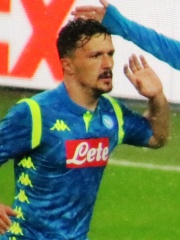
Mário Rui
SOCCER PLAYER
1991 - heden
HPI: 48.76
Plaats: 477
Fernanda Ribeiro
ATHLETE
1969 - heden
HPI: 48.75
Plaats: 478
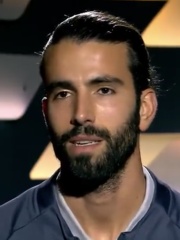
Sérgio Oliveira
SOCCER PLAYER
1992 - heden
HPI: 48.74
Plaats: 479

Daniela Melchior
ACTOR
1996 - heden
HPI: 48.74
Plaats: 480
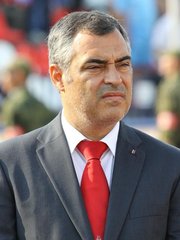
José Couceiro
COACH
1962 - heden
HPI: 48.73
Plaats: 481

Marco Caneira
SOCCER PLAYER
1979 - heden
HPI: 48.68
Plaats: 482
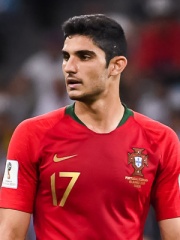
Gonçalo Guedes
SOCCER PLAYER
1996 - heden
HPI: 48.58
Plaats: 483

Duda
SOCCER PLAYER
1980 - heden
HPI: 48.54
Plaats: 484
Onder Atleet in Portugal
Onder Atleet geboren in Portugal staat Fernanda Ribeiro op plaats 8. Vóór haar staan Rosa Mota (1958), Walther Katzenstein (1878), Afonso Costa (1871), Mário de Noronha (1885), Jonathan Jones (null), en António Leitão (1960). Na haar komen Manuela Machado (1963), Carla Sacramento (1971), João Vieira (1976), Domingos Castro (1963), Rui Silva (1977), en António Pinto (1966).
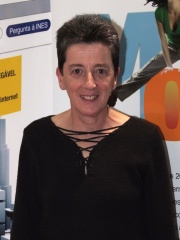
Rosa Mota
1958 - heden
HPI: 58.68
Plaats: 2

Walther Katzenstein
1878 - 1929
HPI: 58.39
Plaats: 3

Afonso Costa
1871 - 1937
HPI: 58.17
Plaats: 4

Mário de Noronha
1885 - 1973
HPI: 53.12
Plaats: 5

Jonathan Jones
HPI: 49.48
Plaats: 6

António Leitão
1960 - 2012
HPI: 49.11
Plaats: 7
Fernanda Ribeiro
1969 - heden
HPI: 48.75
Plaats: 8

Manuela Machado
1963 - heden
HPI: 48.39
Plaats: 9

Carla Sacramento
1971 - heden
HPI: 46.40
Plaats: 10
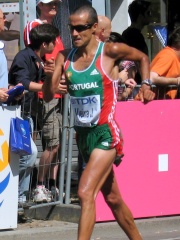
João Vieira
1976 - heden
HPI: 45.61
Plaats: 11

Domingos Castro
1963 - heden
HPI: 45.48
Plaats: 12
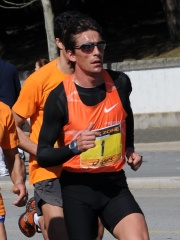
Rui Silva
1977 - heden
HPI: 44.64
Plaats: 13

António Pinto
1966 - heden
HPI: 44.02
Plaats: 14




