Religieuze figuur
Billy Meier
1937 - heden
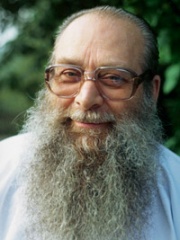
 Billy Meier
Zijn biografie is beschikbaar in 24 verschillende talen op Wikipedia. Billy Meier staat op plaats 1.442 onder de meest populaire religieuze figuur (gedaald van plaats 1.290 in 2024), plaats 202 onder de meest populaire biografieën uit Zwitserland (gedaald van plaats 186 in 2019) en op plaats 11 onder de populairste religieuze figuur uit Zwitserland.
Bekendheidsstatistieken
110k
Paginaweergaven
Afgelopen 12 maanden
63.70
HPI
Historische populariteitsindex
Paginaweergaven van Billy Meier per taal
Onder Religieuze figuur
Onder Religieuze figuur staat Billy Meier op plaats 1,442 van 3,187. Vóór hem staan Zanabazar, Antipope Theodoric, Mario Zenari, Luigi Orione, Fermin, en Carpocrates. Na hem komen William de Longchamp, Frederick of Utrecht, Reginald Pole, Shunryū Suzuki, Macrina the Younger, en Al-Allama al-Hilli.
Populairste Religieuze figuur op Wikipedia
Naar alle ranglijsten

Zanabazar
1635 - 1723
HPI: 63.74
Plaats: 1,436

Antipope Theodoric
1100 - 1102
HPI: 63.74
Plaats: 1,437
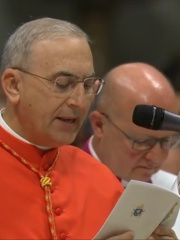
Mario Zenari
1946 - heden
HPI: 63.74
Plaats: 1,438
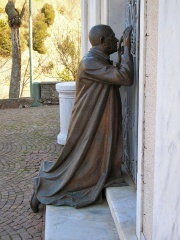
Luigi Orione
1872 - 1940
HPI: 63.74
Plaats: 1,439
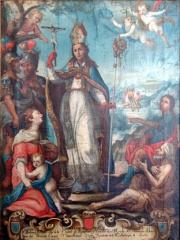
Fermin
272 - 303
HPI: 63.73
Plaats: 1,440

Carpocrates
100 - 138
HPI: 63.72
Plaats: 1,441
Billy Meier
1937 - heden
HPI: 63.70
Plaats: 1,442
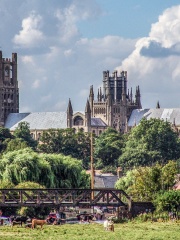
William de Longchamp
1101 - 1197
HPI: 63.69
Plaats: 1,443
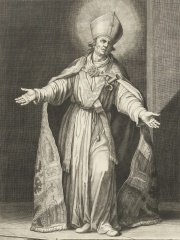
Frederick of Utrecht
780 - 838
HPI: 63.67
Plaats: 1,444
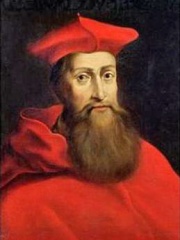
Reginald Pole
1500 - 1558
HPI: 63.66
Plaats: 1,445

Shunryū Suzuki
1904 - 1971
HPI: 63.66
Plaats: 1,446
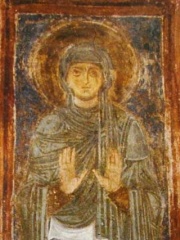
Macrina the Younger
324 - 379
HPI: 63.66
Plaats: 1,447

Al-Allama al-Hilli
1250 - 1325
HPI: 63.65
Plaats: 1,448

Tijdgenoten
Onder de mensen geboren in 1937 staat Billy Meier op plaats 128. Vóór hem staan Franz Vranitzky, Francis Veber, Amos Tversky, Jean-Pierre Beltoise, Petros Markaris, en Olusegun Obasanjo. Na hem komen Robert B. Wilson, Joseph Kobzon, Bella Akhmadulina, Emerich Jenei, Lajos Portisch, en Naji al-Ali.
Anderen geboren in 1937
Naar alle ranglijsten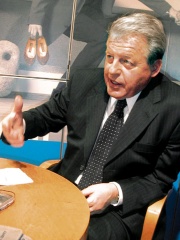
Franz Vranitzky
POLITICIAN
1937 - heden
HPI: 64.01
Plaats: 122
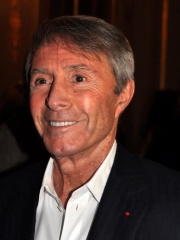
Francis Veber
FILM DIRECTOR
1937 - heden
HPI: 64.00
Plaats: 123
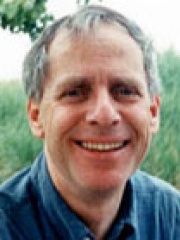
Amos Tversky
PSYCHOLOGIST
1937 - 1996
HPI: 64.00
Plaats: 124
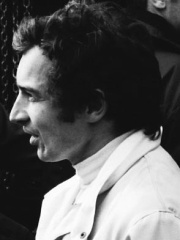
Jean-Pierre Beltoise
RACING DRIVER
1937 - 2015
HPI: 63.91
Plaats: 125
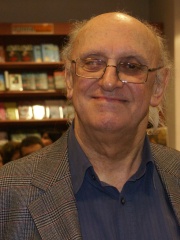
Petros Markaris
WRITER
1937 - heden
HPI: 63.86
Plaats: 126
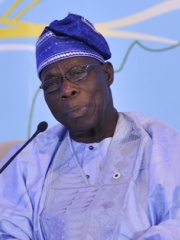
Olusegun Obasanjo
POLITICIAN
1937 - heden
HPI: 63.79
Plaats: 127
Billy Meier
RELIGIOUS FIGURE
1937 - heden
HPI: 63.70
Plaats: 128

Robert B. Wilson
ECONOMIST
1937 - heden
HPI: 63.54
Plaats: 129
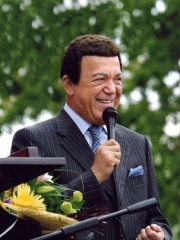
Joseph Kobzon
SINGER
1937 - 2018
HPI: 63.49
Plaats: 130
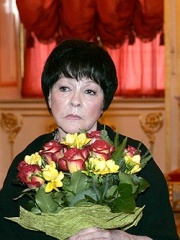
Bella Akhmadulina
WRITER
1937 - 2010
HPI: 63.49
Plaats: 131
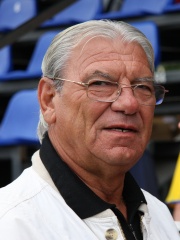
Emerich Jenei
SOCCER PLAYER
1937 - 2025
HPI: 63.48
Plaats: 132
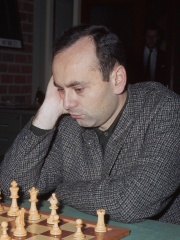
Lajos Portisch
CHESS PLAYER
1937 - heden
HPI: 63.47
Plaats: 133
Naji al-Ali
PAINTER
1937 - 1987
HPI: 63.43
Plaats: 134
In Zwitserland
Onder de mensen geboren in Zwitserland staat Billy Meier op plaats 202 van NaN. Vóór hem staan Duarte Pio, Duke of Braganza (1945), Conrad Ferdinand Meyer (1825), Ueli Maurer (1950), Frithjof Schuon (1907), Köbi Kuhn (1943), en Simonetta Sommaruga (1960). Na hem komen Edwin Fischer (1886), Pietro Lombardo (1435), Louis Zutter (1865), Pancho Vladigerov (1899), Jean Starobinski (1920), en Guy Parmelin (1959).
Anderen geboren in Zwitserland
Naar alle ranglijsten
Duarte Pio, Duke of Braganza
NOBLEMAN
1945 - heden
HPI: 63.83
Plaats: 196

Conrad Ferdinand Meyer
WRITER
1825 - 1898
HPI: 63.78
Plaats: 197
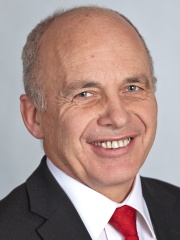
Ueli Maurer
POLITICIAN
1950 - heden
HPI: 63.77
Plaats: 198
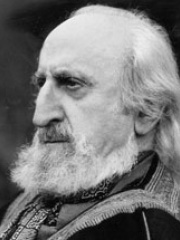
Frithjof Schuon
PHILOSOPHER
1907 - 1998
HPI: 63.76
Plaats: 199
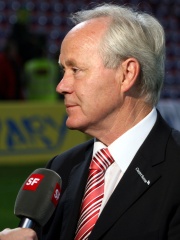
Köbi Kuhn
COACH
1943 - 2019
HPI: 63.74
Plaats: 200
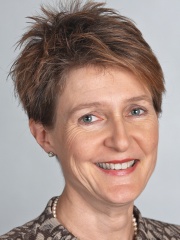
Simonetta Sommaruga
POLITICIAN
1960 - heden
HPI: 63.72
Plaats: 201
Billy Meier
RELIGIOUS FIGURE
1937 - heden
HPI: 63.70
Plaats: 202
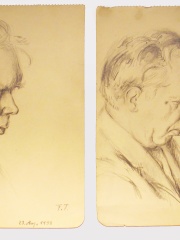
Edwin Fischer
MUSICIAN
1886 - 1960
HPI: 63.68
Plaats: 203
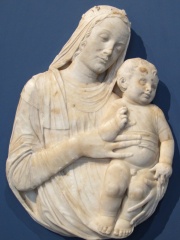
Pietro Lombardo
ARCHITECT
1435 - 1515
HPI: 63.63
Plaats: 204

Louis Zutter
GYMNAST
1865 - 1946
HPI: 63.61
Plaats: 205
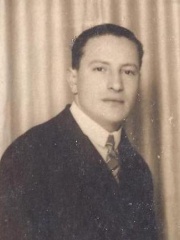
Pancho Vladigerov
COMPOSER
1899 - 1978
HPI: 63.53
Plaats: 206
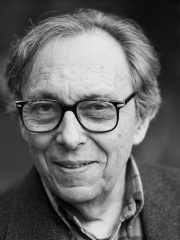
Jean Starobinski
WRITER
1920 - 2019
HPI: 63.50
Plaats: 207
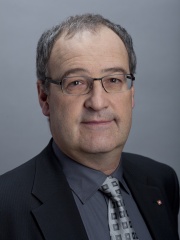
Guy Parmelin
POLITICIAN
1959 - heden
HPI: 63.44
Plaats: 208
Onder Religieuze figuur in Zwitserland
Onder Religieuze figuur geboren in Zwitserland staat Billy Meier op plaats 11. Vóór hem staan Brother Roger (1915), Anders Arborelius (1949), Heinrich Bullinger (1504), Kurt Koch (1950), Jakob Ammann (1644), en Ulrich of Augsburg (890). Na hem komen Jacob Sprenger (1435), Emil Brunner (1889), Henri Schwery (1932), Wiborada (900), Gilberto Agustoni (1922), en Georges Cottier (1922).
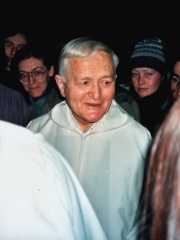
Brother Roger
1915 - 2005
HPI: 68.17
Plaats: 5
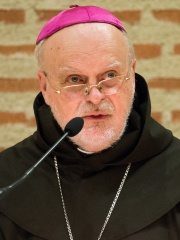
Anders Arborelius
1949 - heden
HPI: 68.16
Plaats: 6
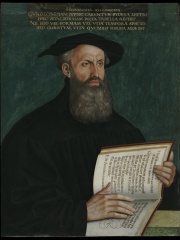
Heinrich Bullinger
1504 - 1575
HPI: 66.05
Plaats: 7
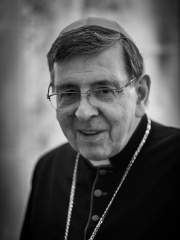
Kurt Koch
1950 - heden
HPI: 65.78
Plaats: 8

Jakob Ammann
1644 - 1730
HPI: 65.51
Plaats: 9
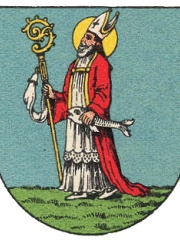
Ulrich of Augsburg
890 - 973
HPI: 64.90
Plaats: 10
Billy Meier
1937 - heden
HPI: 63.70
Plaats: 11

Jacob Sprenger
1435 - 1495
HPI: 63.12
Plaats: 12
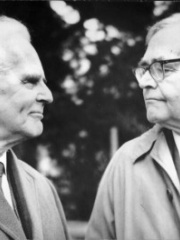
Emil Brunner
1889 - 1966
HPI: 62.54
Plaats: 13

Henri Schwery
1932 - 2021
HPI: 61.67
Plaats: 14
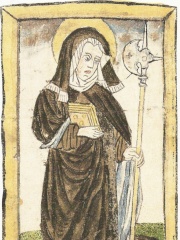
Wiborada
900 - 926
HPI: 61.67
Plaats: 15
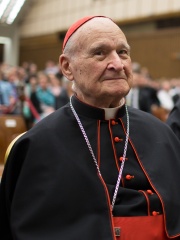
Gilberto Agustoni
1922 - 2017
HPI: 61.43
Plaats: 16
Georges Cottier
1922 - 2016
HPI: 60.84
Plaats: 17




