宗教家
Solomon Schechter
1847 - 1915
 Solomon Schechter
知名度指標
18k
ページビュー
過去12か月
53.53
HPI
歴史的人気指数
データインサイト
12月7日
Solomon SchechterはGian Lorenzo Bernini、Henry Stuart, Lord Darnley、Noam Chomskyと同じ12月7日生まれです。
Solomon Schechterの言語別ページビュー
宗教家の中で
宗教家の中で、Solomon Schechterは3,187人中2,994位です。 彼より上位:Matthew Webb, C. I. Scofield, José Cobo Cano, John Cody, Ignacio Velasco, 、Arnulf of Chocques. 彼より下位:Bernardino Echeverría Ruiz, Sergio Obeso Rivera, Herman II, Richard Baawobr, Luigi Ferrando, 、Epenetus of Carthage.
ウィキペディアで最も人気のある宗教家
すべてのランキングを見る
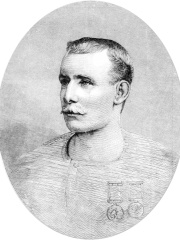
Matthew Webb
1848 - 1883
HPI: 53.62
順位: 2,988
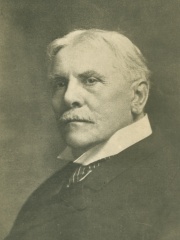
C. I. Scofield
1843 - 1921
HPI: 53.61
順位: 2,989

José Cobo Cano
1965 - 現在
HPI: 53.57
順位: 2,990

John Cody
1907 - 1982
HPI: 53.57
順位: 2,991

Ignacio Velasco
1929 - 2003
HPI: 53.56
順位: 2,992

Arnulf of Chocques
HPI: 53.54
順位: 2,993
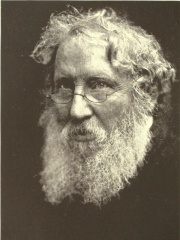
Solomon Schechter
1847 - 1915
HPI: 53.53
順位: 2,994

Bernardino Echeverría Ruiz
1912 - 2000
HPI: 53.52
順位: 2,995

Sergio Obeso Rivera
1931 - 2019
HPI: 53.50
順位: 2,996
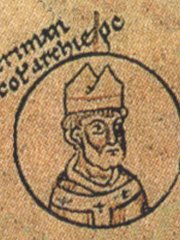
Herman II
995 - 1056
HPI: 53.47
順位: 2,997

Richard Baawobr
1959 - 2022
HPI: 53.44
順位: 2,998

Luigi Ferrando
1941 - 現在
HPI: 53.43
順位: 2,999

Epenetus of Carthage
1 - 64
HPI: 53.42
順位: 3,000

同時代の人物
1847年生まれの人の中で、Solomon Schechterは100位です。 彼より上位:Yegor Ivanovich Zolotarev, Sarah Frances Whiting, František Křižík, Castro Alves, Wilhelmina Drucker, 、Máximo Santos. 彼より下位:Wordsworth Donisthorpe, Albert Pinkham Ryder, Christine Ladd-Franklin, Morton Betts, Ormond Stone, 、John Hamilton-Gordon, 1st Marquess of Aberdeen and Temair. 1915年に亡くなった人の中で、Solomon Schechterは119位です。 彼より上位:Pyotr Durnovo, Greene Vardiman Black, Bagha Jatin, Béla Las-Torres, Daniel Giraud Elliot, 、Antonio Flores Jijón. 彼より下位:José María Campo Serrano, W. G. Grace, Vasily Goncharov, John Bunny, Nelson W. Aldrich, 、Tom Watson.
1847年生まれのその他の人物
すべてのランキングを見る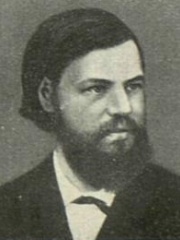
Yegor Ivanovich Zolotarev
MATHEMATICIAN
1847 - 1878
HPI: 54.83
順位: 94
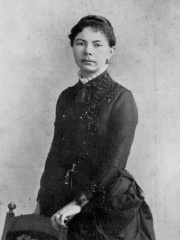
Sarah Frances Whiting
PHYSICIST
1847 - 1927
HPI: 54.82
順位: 95
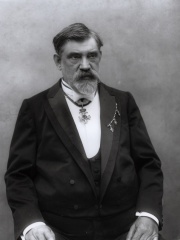
František Křižík
INVENTOR
1847 - 1941
HPI: 54.70
順位: 96
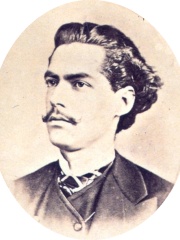
Castro Alves
WRITER
1847 - 1871
HPI: 54.65
順位: 97

Wilhelmina Drucker
POLITICIAN
1847 - 1925
HPI: 54.16
順位: 98
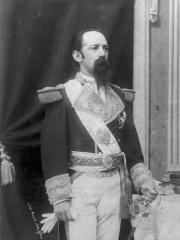
Máximo Santos
POLITICIAN
1847 - 1889
HPI: 54.00
順位: 99
Solomon Schechter
RELIGIOUS FIGURE
1847 - 1915
HPI: 53.53
順位: 100
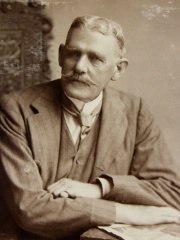
Wordsworth Donisthorpe
INVENTOR
1847 - 1914
HPI: 53.35
順位: 101
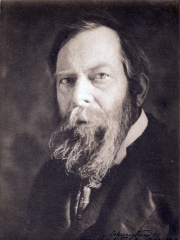
Albert Pinkham Ryder
PAINTER
1847 - 1917
HPI: 53.19
順位: 102
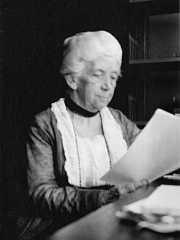
Christine Ladd-Franklin
PSYCHOLOGIST
1847 - 1930
HPI: 51.39
順位: 103

Morton Betts
SOCCER PLAYER
1847 - 1914
HPI: 51.31
順位: 104
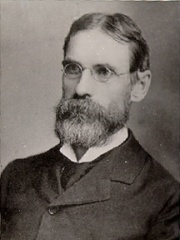
Ormond Stone
MATHEMATICIAN
1847 - 1933
HPI: 51.01
順位: 105
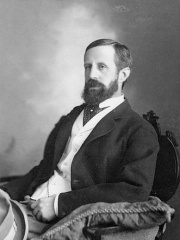
John Hamilton-Gordon, 1st Marquess of Aberdeen and Temair
POLITICIAN
1847 - 1934
HPI: 49.29
順位: 106
1915年に亡くなったその他の人物
すべてのランキングを見る
Pyotr Durnovo
POLITICIAN
1842 - 1915
HPI: 54.96
順位: 113

Greene Vardiman Black
PHYSICIAN
1836 - 1915
HPI: 54.58
順位: 114

Bagha Jatin
SOCIAL ACTIVIST
1879 - 1915
HPI: 54.50
順位: 115

Béla Las-Torres
POLITICIAN
1890 - 1915
HPI: 54.27
順位: 116
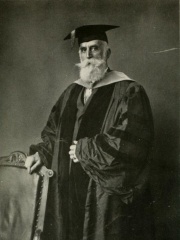
Daniel Giraud Elliot
BIOLOGIST
1835 - 1915
HPI: 54.27
順位: 117
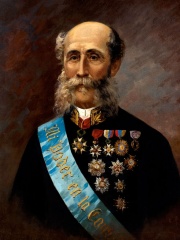
Antonio Flores Jijón
POLITICIAN
1833 - 1915
HPI: 54.21
順位: 118
Solomon Schechter
RELIGIOUS FIGURE
1847 - 1915
HPI: 53.53
順位: 119
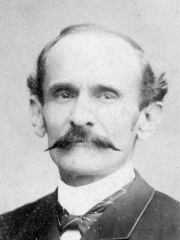
José María Campo Serrano
POLITICIAN
1832 - 1915
HPI: 52.92
順位: 120
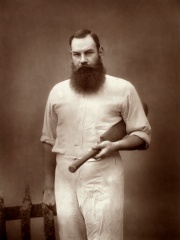
W. G. Grace
CRICKETER
1848 - 1915
HPI: 52.63
順位: 121
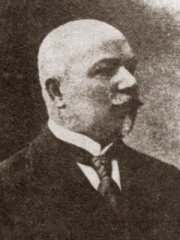
Vasily Goncharov
FILM DIRECTOR
1861 - 1915
HPI: 52.54
順位: 122
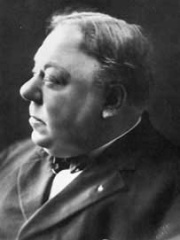
John Bunny
ACTOR
1863 - 1915
HPI: 52.11
順位: 123
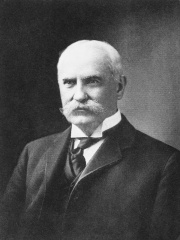
Nelson W. Aldrich
POLITICIAN
1841 - 1915
HPI: 52.07
順位: 124
Tom Watson
COACH
1859 - 1915
HPI: 50.23
順位: 125
ルーマニアの中で
ルーマニア生まれの人の中で、Solomon Schechterは844人中475位です。 彼より上位:Grațian Sepi (1910), Nicolae Martinescu (1940), Teoctist Arăpașu (1915), Dan Pagis (1930), Miklós Jósika (1794), 、Ștefan Golescu (1809). 彼より下位:Dan Coe (1941), Alexandra Stan (1989), Vasile Andrei (1955), Constantin Alexandru (1953), Irina Petrescu (1941), 、Gusztáv Juhász (1911).
ルーマニア生まれのその他の人物
すべてのランキングを見る
Grațian Sepi
SOCCER PLAYER
1910 - 1977
HPI: 53.82
順位: 469

Nicolae Martinescu
WRESTLER
1940 - 2013
HPI: 53.81
順位: 470

Teoctist Arăpașu
POLITICIAN
1915 - 2007
HPI: 53.80
順位: 471
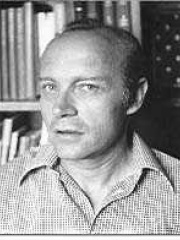
Dan Pagis
WRITER
1930 - 1986
HPI: 53.73
順位: 472
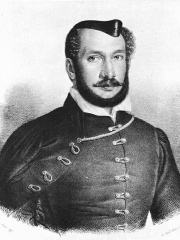
Miklós Jósika
WRITER
1794 - 1865
HPI: 53.71
順位: 473
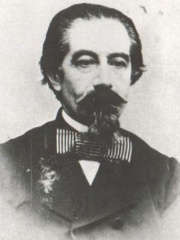
Ștefan Golescu
POLITICIAN
1809 - 1874
HPI: 53.54
順位: 474
Solomon Schechter
RELIGIOUS FIGURE
1847 - 1915
HPI: 53.53
順位: 475

Dan Coe
SOCCER PLAYER
1941 - 1981
HPI: 53.52
順位: 476

Alexandra Stan
SINGER
1989 - 現在
HPI: 53.47
順位: 477

Vasile Andrei
WRESTLER
1955 - 現在
HPI: 53.46
順位: 478

Constantin Alexandru
ATHLETE
1953 - 2014
HPI: 53.43
順位: 479

Irina Petrescu
ACTOR
1941 - 2013
HPI: 53.43
順位: 480

Gusztáv Juhász
SOCCER PLAYER
1911 - 2003
HPI: 53.40
順位: 481
ルーマニアの宗教家の中で
ルーマニア生まれの宗教家の中で、Solomon Schechterは12位です。 彼より上位:Sabbas the Goth (334), Alexandru Todea (1912), Joel Teitelbaum (1887), Lőrinc Schlauch (1824), Vilmos Apor (1892), 、Andreo Cseh (1895).

Sabbas the Goth
334 - 372
HPI: 60.52
順位: 6

Alexandru Todea
1912 - 2002
HPI: 58.05
順位: 7

Joel Teitelbaum
1887 - 1979
HPI: 57.67
順位: 8
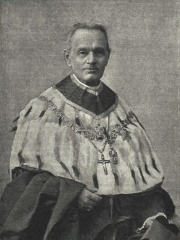
Lőrinc Schlauch
1824 - 1902
HPI: 57.34
順位: 9
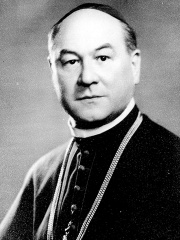
Vilmos Apor
1892 - 1945
HPI: 56.84
順位: 10

Andreo Cseh
1895 - 1979
HPI: 56.39
順位: 11
Solomon Schechter
1847 - 1915
HPI: 53.53
順位: 12




