アスリート
Sergio Caprari
1932 - 2015

 Sergio Caprari
彼の伝記はウィキペディアで15言語で利用可能です。Sergio Caprariは、最も人気のあるアスリートの中で第1742位(2024年の第1869位から順位を上げ)、イタリア人物の伝記の中で第4120位(2019年の第4174位から順位を上げ)、また最も人気のあるイタリア人アスリートの中で第78位に位置しています。
知名度指標
1.6k
ページビュー
過去12か月
53.08
HPI
歴史的人気指数
データインサイト
15
Sergio Caprariの伝記はウィキペディアの15言語版に掲載され、歴史的人気指数は53.08です。
Sergio Caprariの言語別ページビュー
アスリートの中で
アスリートの中で、Sergio Caprariは13,875人中1,742位です。 彼より上位:Jürgen Hingsen, Paul Pilgrim, Marion Becker, P. T. Usha, Víctor Peralta, 、Harry Voigt. 彼より下位:Tiina Lillak, Friedrich Waller, Lam Jones, Pierre Musy, Tadeusz Rut, 、Francisco Fernández.
ウィキペディアで最も人気のあるアスリート
すべてのランキングを見る
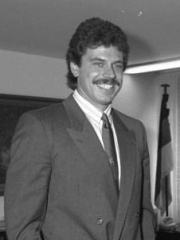
Jürgen Hingsen
1958 - 現在
HPI: 53.09
順位: 1,736
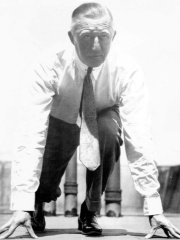
Paul Pilgrim
1883 - 1958
HPI: 53.09
順位: 1,737

Marion Becker
1950 - 現在
HPI: 53.09
順位: 1,738

P. T. Usha
1964 - 現在
HPI: 53.09
順位: 1,739
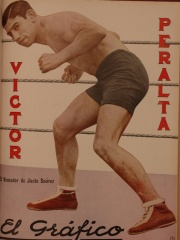
Víctor Peralta
1908 - 1995
HPI: 53.09
順位: 1,740

Harry Voigt
1913 - 1986
HPI: 53.09
順位: 1,741
Sergio Caprari
1932 - 2015
HPI: 53.08
順位: 1,742
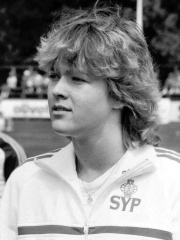
Tiina Lillak
1961 - 現在
HPI: 53.08
順位: 1,743

Friedrich Waller
1920 - 2004
HPI: 53.08
順位: 1,744
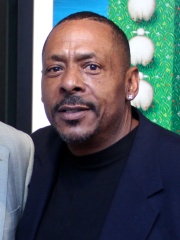
Lam Jones
1958 - 2019
HPI: 53.07
順位: 1,745
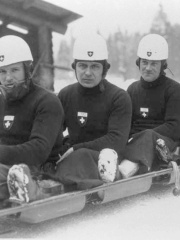
Pierre Musy
1910 - 1990
HPI: 53.07
順位: 1,746
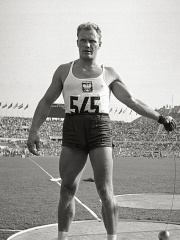
Tadeusz Rut
1931 - 2002
HPI: 53.06
順位: 1,747

Francisco Fernández
HPI: 53.06
順位: 1,748

同時代の人物
1932年生まれの人の中で、Sergio Caprariは484位です。 彼より上位:George Gruntz, Pál Gábor, Antonio Maspes, S. M. Krishna, Dallin H. Oaks, 、Guido Vincenzi. 彼より下位:Richard Dawson, Peggy Ann Garner, Nasif Estéfano, Christopher Lasch, Padmini, 、Roger Dumas. 2015年に亡くなった人の中で、Sergio Caprariは428位です。 彼より上位:Ellen Albertini Dow, Peder Pedersen, Richard Bass, Catherine E. Coulson, Robert La Caze, 、Ann Rule. 彼より下位:Bruno Pesaola, Toller Cranston, Rakhat Aliyev, Tanith Lee, Sajida al-Rishawi, 、Darren Shahlavi.
1932年生まれのその他の人物
すべてのランキングを見る
George Gruntz
MUSICIAN
1932 - 2013
HPI: 53.26
順位: 478

Pál Gábor
FILM DIRECTOR
1932 - 1987
HPI: 53.25
順位: 479
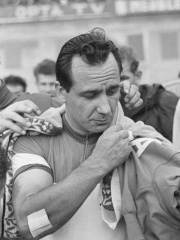
Antonio Maspes
CYCLIST
1932 - 2000
HPI: 53.22
順位: 480
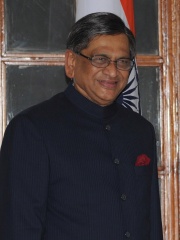
S. M. Krishna
POLITICIAN
1932 - 2024
HPI: 53.22
順位: 481
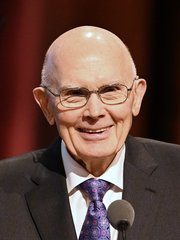
Dallin H. Oaks
RELIGIOUS FIGURE
1932 - 現在
HPI: 53.16
順位: 482

Guido Vincenzi
SOCCER PLAYER
1932 - 1997
HPI: 53.11
順位: 483
Sergio Caprari
ATHLETE
1932 - 2015
HPI: 53.08
順位: 484
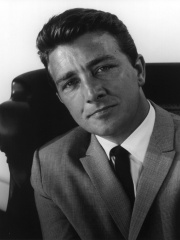
Richard Dawson
ACTOR
1932 - 2012
HPI: 53.07
順位: 485

Peggy Ann Garner
ACTOR
1932 - 1984
HPI: 53.05
順位: 486
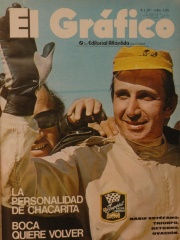
Nasif Estéfano
RACING DRIVER
1932 - 1973
HPI: 53.02
順位: 487

Christopher Lasch
HISTORIAN
1932 - 1994
HPI: 52.95
順位: 488

Padmini
ACTOR
1932 - 2006
HPI: 52.94
順位: 489
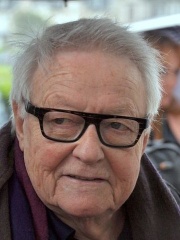
Roger Dumas
ACTOR
1932 - 2016
HPI: 52.88
順位: 490
2015年に亡くなったその他の人物
すべてのランキングを見る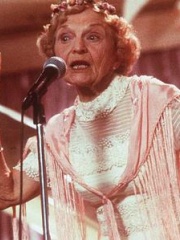
Ellen Albertini Dow
ACTOR
1913 - 2015
HPI: 53.30
順位: 422
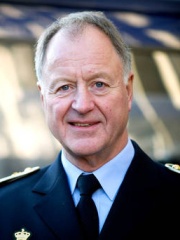
Peder Pedersen
CYCLIST
1945 - 2015
HPI: 53.29
順位: 423

Richard Bass
BUSINESSPERSON
1929 - 2015
HPI: 53.27
順位: 424

Catherine E. Coulson
ACTOR
1943 - 2015
HPI: 53.26
順位: 425

Robert La Caze
RACING DRIVER
1917 - 2015
HPI: 53.23
順位: 426
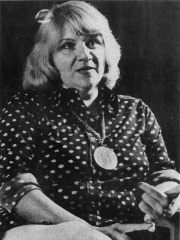
Ann Rule
WRITER
1931 - 2015
HPI: 53.19
順位: 427
Sergio Caprari
ATHLETE
1932 - 2015
HPI: 53.08
順位: 428
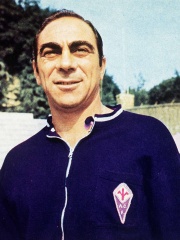
Bruno Pesaola
SOCCER PLAYER
1925 - 2015
HPI: 53.08
順位: 429
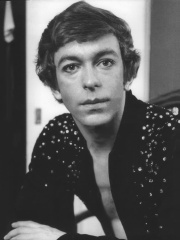
Toller Cranston
SKATER
1949 - 2015
HPI: 52.96
順位: 430

Rakhat Aliyev
MAFIOSO
1962 - 2015
HPI: 52.89
順位: 431

Tanith Lee
WRITER
1947 - 2015
HPI: 52.85
順位: 432

Sajida al-Rishawi
RELIGIOUS FIGURE
1970 - 2015
HPI: 52.76
順位: 433
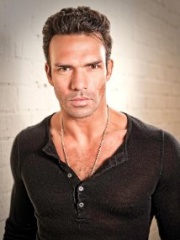
Darren Shahlavi
ACTOR
1972 - 2015
HPI: 52.76
順位: 434
イタリアの中で
イタリア生まれの人の中で、Sergio Caprariは5,905人中4,120位です。 彼より上位:Cristian Zaccardo (1981), Guido Vincenzi (1932), Armando Segato (1930), Raf (1959), Alberto Bevilacqua (1934), 、Paulinus of York (null). 彼より下位:Sergio Brio (1956), Cristiano Zanetti (1977), Fabrizio Romano (1993), Delfo Bellini (1900), Fabio Lione (1973), 、Marina Berlusconi (1966).
イタリア生まれのその他の人物
すべてのランキングを見る
Cristian Zaccardo
SOCCER PLAYER
1981 - 現在
HPI: 53.13
順位: 4,114
Guido Vincenzi
SOCCER PLAYER
1932 - 1997
HPI: 53.11
順位: 4,115

Armando Segato
SOCCER PLAYER
1930 - 1973
HPI: 53.11
順位: 4,116

Raf
SINGER
1959 - 現在
HPI: 53.10
順位: 4,117
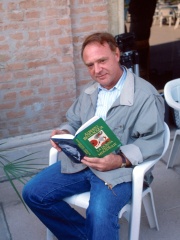
Alberto Bevilacqua
WRITER
1934 - 2013
HPI: 53.09
順位: 4,118
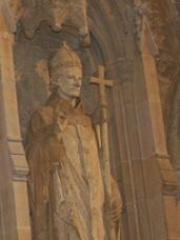
Paulinus of York
RELIGIOUS FIGURE
HPI: 53.09
順位: 4,119
Sergio Caprari
ATHLETE
1932 - 2015
HPI: 53.08
順位: 4,120
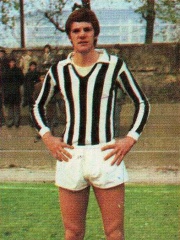
Sergio Brio
SOCCER PLAYER
1956 - 現在
HPI: 53.08
順位: 4,121

Cristiano Zanetti
SOCCER PLAYER
1977 - 現在
HPI: 53.08
順位: 4,122

Fabrizio Romano
JOURNALIST
1993 - 現在
HPI: 53.08
順位: 4,123
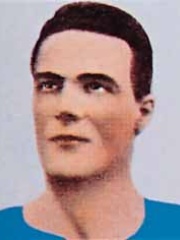
Delfo Bellini
SOCCER PLAYER
1900 - 1953
HPI: 53.08
順位: 4,124
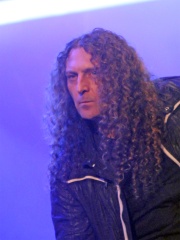
Fabio Lione
SINGER
1973 - 現在
HPI: 53.06
順位: 4,125

Marina Berlusconi
BUSINESSPERSON
1966 - 現在
HPI: 53.06
順位: 4,126
イタリアのアスリートの中で
イタリア生まれのアスリートの中で、Sergio Caprariは78位です。 彼より上位:Emilio Lunghi (1887), Gavino Matta (1910), Antonio Siddi (1923), Romano Bonagura (1930), Maurizio Damilano (1957), 、Gelindo Bordin (1959). 彼より下位:Claudia Testoni (1915), Aldo Montano (1910), Romolo Catasta (1923), Mario Tullio Montano (1944), Alessandro Andrei (1959), 、Giovanni Scatturin (1893).
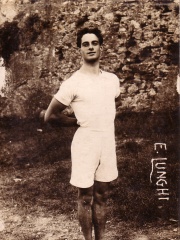
Emilio Lunghi
1887 - 1925
HPI: 53.47
順位: 72

Gavino Matta
1910 - 1954
HPI: 53.35
順位: 73
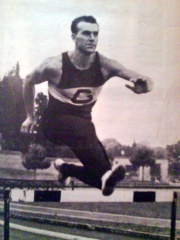
Antonio Siddi
1923 - 1983
HPI: 53.34
順位: 74

Romano Bonagura
1930 - 2010
HPI: 53.23
順位: 75
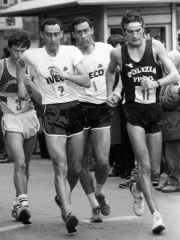
Maurizio Damilano
1957 - 現在
HPI: 53.18
順位: 76
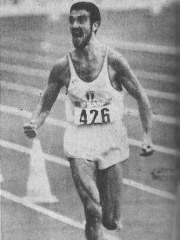
Gelindo Bordin
1959 - 現在
HPI: 53.18
順位: 77
Sergio Caprari
1932 - 2015
HPI: 53.08
順位: 78
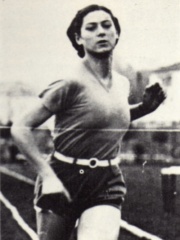
Claudia Testoni
1915 - 1998
HPI: 52.58
順位: 79

Aldo Montano
1910 - 1996
HPI: 52.57
順位: 80

Romolo Catasta
1923 - 1985
HPI: 52.46
順位: 81

Mario Tullio Montano
1944 - 2017
HPI: 52.42
順位: 82
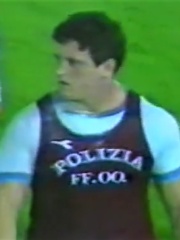
Alessandro Andrei
1959 - 現在
HPI: 52.41
順位: 83

Giovanni Scatturin
1893 - 1951
HPI: 52.40
順位: 84




