政治家
Lin Biao
1907 - 1971
JA.WIKIPEDIA ページビュー (PV)
 Lin Biao
知名度指標
960k
ページビュー
過去12か月
71.62
HPI
歴史的人気指数
データインサイト
49
Lin Biaoの伝記はウィキペディアの49言語版に掲載されており、政治家全体の89%を上回っています。
12月5日
Lin BiaoはMartin Van Buren、Walt Disney、Pope Julius IIと同じ12月5日生まれです。
Lin Biaoの言語別ページビュー
政治家の中で
政治家の中で、Lin Biaoは19,576人中2,213位です。 彼より上位:John II of Aragon, Konstantin Päts, Georgios Papadopoulos, Maximilian III Joseph, Elector of Bavaria, Sigurd II of Norway, 、Eugène Edine Pottier. 彼より下位:Karl Theodor, Duke in Bavaria, Mohamed Hussein Tantawi, Ioannis Kapodistrias, Injong of Joseon, John V of Portugal, 、Nikolai Podgorny.
ウィキペディアで最も人気のある政治家
すべてのランキングを見る
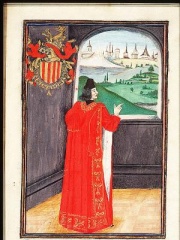
John II of Aragon
1398 - 1479
HPI: 71.63
順位: 2,208
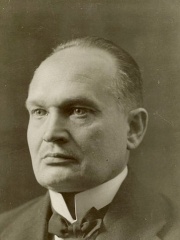
Konstantin Päts
1874 - 1956
HPI: 71.63
順位: 2,209
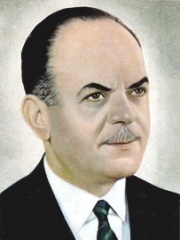
Georgios Papadopoulos
1919 - 1999
HPI: 71.63
順位: 2,210
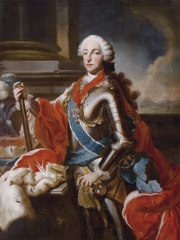
Maximilian III Joseph, Elector of Bavaria
1727 - 1777
HPI: 71.63
順位: 2,211
Sigurd II of Norway
1133 - 1155
HPI: 71.63
順位: 2,212
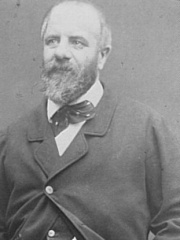
Eugène Edine Pottier
1816 - 1887
HPI: 71.63
順位: 2,213
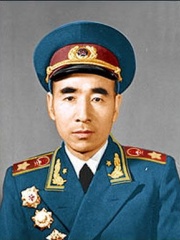
Lin Biao
1907 - 1971
HPI: 71.62
順位: 2,214
Karl Theodor, Duke in Bavaria
1839 - 1909
HPI: 71.62
順位: 2,215

Mohamed Hussein Tantawi
1935 - 2021
HPI: 71.62
順位: 2,216
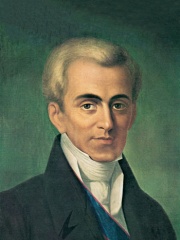
Ioannis Kapodistrias
1776 - 1831
HPI: 71.62
順位: 2,217

Injong of Joseon
1515 - 1545
HPI: 71.61
順位: 2,218
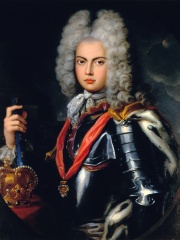
John V of Portugal
1689 - 1750
HPI: 71.61
順位: 2,219
Nikolai Podgorny
1903 - 1983
HPI: 71.61
順位: 2,220

同時代の人物
1907年生まれの人の中で、Lin Biaoは30位です。 彼より上位:Yang Shangkun, Hideki Yukawa, Daniel Bovet, Robert A. Heinlein, Sister Lúcia, 、François Duvalier. 彼より下位:Fred Zinnemann, Horst Wessel, John Bowlby, U Nu, Giovanna of Italy, 、Daphne du Maurier. 1971年に亡くなった人の中で、Lin Biaoは26位です。 彼より上位:D. B. Cooper, Gotthard Heinrici, Igor Tamm, Wilhelm List, François Duvalier, 、Rudolf Abel. 彼より下位:Franz Stangl, Donald Winnicott, Jacobo Árbenz, Arne Jacobsen, Lothar Rendulic, 、Marcel Dupré.
1907年生まれのその他の人物
すべてのランキングを見る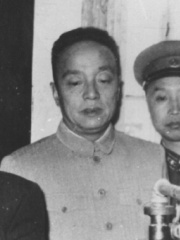
Yang Shangkun
POLITICIAN
1907 - 1998
HPI: 73.26
順位: 24
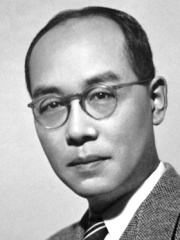
Hideki Yukawa
PHYSICIST
1907 - 1981
HPI: 73.06
順位: 25
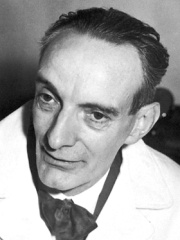
Daniel Bovet
BIOLOGIST
1907 - 1992
HPI: 72.63
順位: 26

Robert A. Heinlein
WRITER
1907 - 1988
HPI: 72.14
順位: 27

Sister Lúcia
RELIGIOUS FIGURE
1907 - 2005
HPI: 72.14
順位: 28
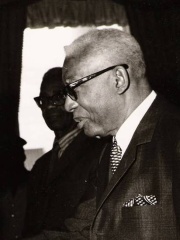
François Duvalier
PHYSICIAN
1907 - 1971
HPI: 71.79
順位: 29
Lin Biao
POLITICIAN
1907 - 1971
HPI: 71.62
順位: 30
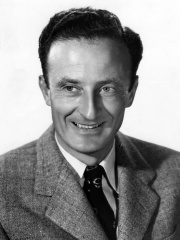
Fred Zinnemann
FILM DIRECTOR
1907 - 1997
HPI: 71.49
順位: 31
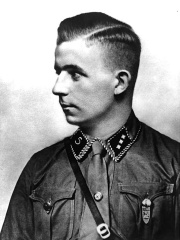
Horst Wessel
SOCIAL ACTIVIST
1907 - 1930
HPI: 71.43
順位: 32
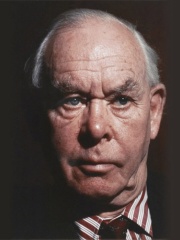
John Bowlby
PSYCHOLOGIST
1907 - 1990
HPI: 71.33
順位: 33
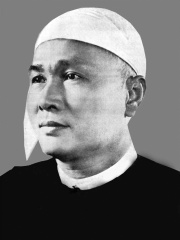
U Nu
POLITICIAN
1907 - 1995
HPI: 71.22
順位: 34
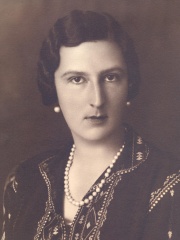
Giovanna of Italy
POLITICIAN
1907 - 2000
HPI: 70.83
順位: 35

Daphne du Maurier
WRITER
1907 - 1989
HPI: 70.77
順位: 36
1971年に亡くなったその他の人物
すべてのランキングを見る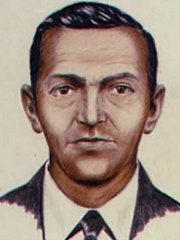
D. B. Cooper
PIRATE
1931 - 1971
HPI: 72.05
順位: 20
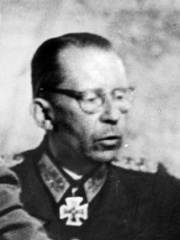
Gotthard Heinrici
MILITARY PERSONNEL
1886 - 1971
HPI: 71.98
順位: 21
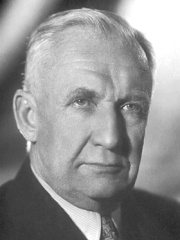
Igor Tamm
PHYSICIST
1895 - 1971
HPI: 71.97
順位: 22
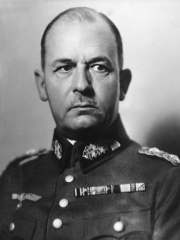
Wilhelm List
MILITARY PERSONNEL
1880 - 1971
HPI: 71.84
順位: 23
François Duvalier
PHYSICIAN
1907 - 1971
HPI: 71.79
順位: 24
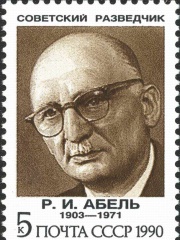
Rudolf Abel
MILITARY PERSONNEL
1903 - 1971
HPI: 71.75
順位: 25
Lin Biao
POLITICIAN
1907 - 1971
HPI: 71.62
順位: 26
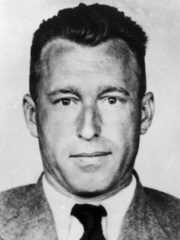
Franz Stangl
MILITARY PERSONNEL
1908 - 1971
HPI: 71.40
順位: 27
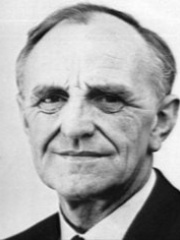
Donald Winnicott
PSYCHOLOGIST
1896 - 1971
HPI: 70.89
順位: 28
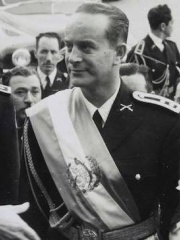
Jacobo Árbenz
POLITICIAN
1913 - 1971
HPI: 70.78
順位: 29
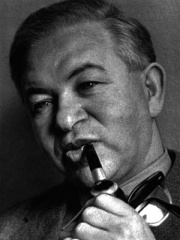
Arne Jacobsen
ARCHITECT
1902 - 1971
HPI: 70.71
順位: 30

Lothar Rendulic
MILITARY PERSONNEL
1887 - 1971
HPI: 70.67
順位: 31
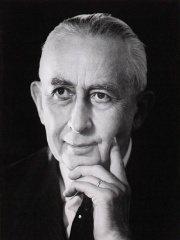
Marcel Dupré
COMPOSER
1886 - 1971
HPI: 68.85
順位: 32
中国の中で
中国生まれの人の中で、Lin Biaoは1,610人中129位です。 彼より上位:Yue Fei (1142), Bai Juyi (772), Yuan Shao (154), Su Shi (1037), Jingtai Emperor (1428), 、Gwanggaeto the Great (374). 彼より下位:Chiang Ching-kuo (1910), Sun Ce (175), Gegeen Khan (1302), Tang of Shang (-1601), Wang Jingwei (1883), 、Dorgon (1612).
中国生まれのその他の人物
すべてのランキングを見る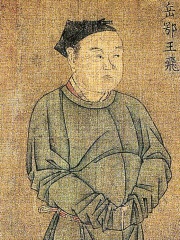
Yue Fei
MILITARY PERSONNEL
1142 - 1142
HPI: 71.84
順位: 123

Bai Juyi
WRITER
772 - 846
HPI: 71.81
順位: 124
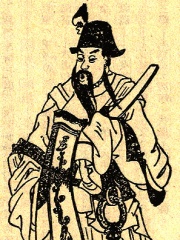
Yuan Shao
POLITICIAN
154 - 202
HPI: 71.75
順位: 125
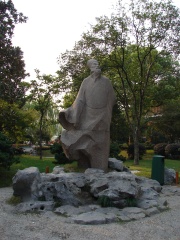
Su Shi
WRITER
1037 - 1101
HPI: 71.71
順位: 126
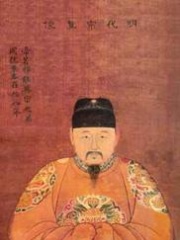
Jingtai Emperor
POLITICIAN
1428 - 1457
HPI: 71.69
順位: 127

Gwanggaeto the Great
POLITICIAN
374 - 413
HPI: 71.69
順位: 128
Lin Biao
POLITICIAN
1907 - 1971
HPI: 71.62
順位: 129
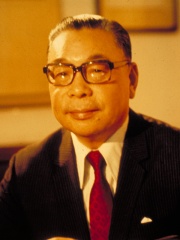
Chiang Ching-kuo
POLITICIAN
1910 - 1988
HPI: 71.59
順位: 130
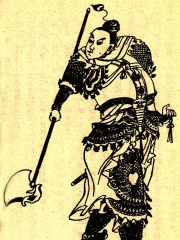
Sun Ce
MILITARY PERSONNEL
175 - 200
HPI: 71.59
順位: 131
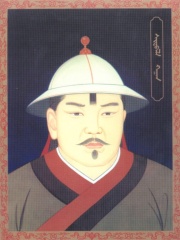
Gegeen Khan
POLITICIAN
1302 - 1323
HPI: 71.58
順位: 132
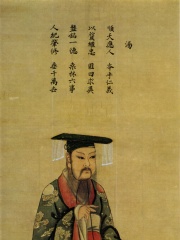
Tang of Shang
POLITICIAN
1601 BC - 1646 BC
HPI: 71.55
順位: 133
Wang Jingwei
POLITICIAN
1883 - 1944
HPI: 71.51
順位: 134
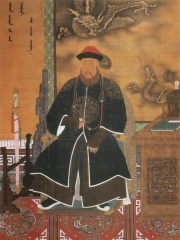
Dorgon
POLITICIAN
1612 - 1650
HPI: 71.48
順位: 135
中国の政治家の中で
中国生まれの政治家の中で、Lin Biaoは80位です。 彼より上位:Li Zicheng (1606), Khorloogiin Choibalsan (1895), Emperor Yingzong of Ming (1427), Yuan Shao (154), Jingtai Emperor (1428), 、Gwanggaeto the Great (374). 彼より下位:Chiang Ching-kuo (1910), Gegeen Khan (1302), Tang of Shang (-1601), Wang Jingwei (1883), Dorgon (1612), 、Hong Xiuquan (1814).

Li Zicheng
1606 - 1645
HPI: 72.12
順位: 74
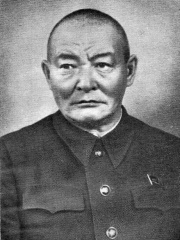
Khorloogiin Choibalsan
1895 - 1952
HPI: 71.97
順位: 75
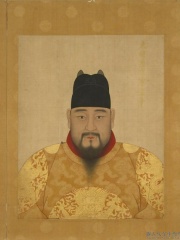
Emperor Yingzong of Ming
1427 - 1464
HPI: 71.85
順位: 76
Yuan Shao
154 - 202
HPI: 71.75
順位: 77
Jingtai Emperor
1428 - 1457
HPI: 71.69
順位: 78
Gwanggaeto the Great
374 - 413
HPI: 71.69
順位: 79
Lin Biao
1907 - 1971
HPI: 71.62
順位: 80
Chiang Ching-kuo
1910 - 1988
HPI: 71.59
順位: 81
Gegeen Khan
1302 - 1323
HPI: 71.58
順位: 82
Tang of Shang
1601 BC - 1646 BC
HPI: 71.55
順位: 83
Wang Jingwei
1883 - 1944
HPI: 71.51
順位: 84
Dorgon
1612 - 1650
HPI: 71.48
順位: 85
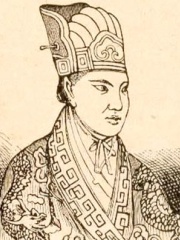
Hong Xiuquan
1814 - 1864
HPI: 71.46
順位: 86




