宗教家
János Simor
1813 - 1891
 János Simor
Memorability Metrics
3.3k
Page Views
Past 12 months
57.58
HPI
Historical Popularity Index
Page views of János Simor by language
Among 宗教家
Among 宗教家, János Simor ranks 2,582 out of 3,187. Before him are Gisbertus Voetius, Carlo Agostini, Bartholomäus Ziegenbalg, Arcadio Larraona Saralegui, Edmund Campion, and Kuriakose Elias Chavara. After him are Saint Thorlak, Gamzat-bek, Pietro Palazzini, Alfred Des Cloizeaux, Shlomo Goren, and Jon Sobrino.
Most Popular 宗教家 in Wikipedia
Go to all Rankings
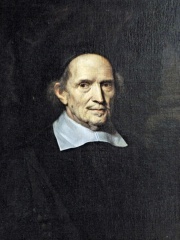
Gisbertus Voetius
1589 - 1676
HPI: 57.64
Rank: 2,576
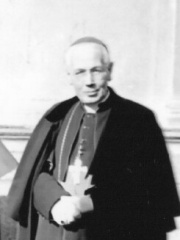
Carlo Agostini
1888 - 1952
HPI: 57.63
Rank: 2,577
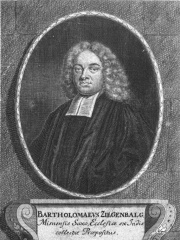
Bartholomäus Ziegenbalg
1682 - 1719
HPI: 57.63
Rank: 2,578
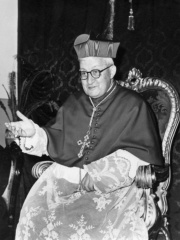
Arcadio Larraona Saralegui
1887 - 1973
HPI: 57.60
Rank: 2,579
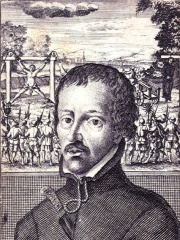
Edmund Campion
1540 - 1581
HPI: 57.60
Rank: 2,580
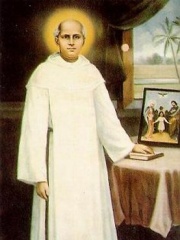
Kuriakose Elias Chavara
1805 - 1871
HPI: 57.58
Rank: 2,581
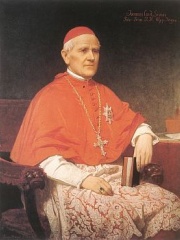
János Simor
1813 - 1891
HPI: 57.58
Rank: 2,582
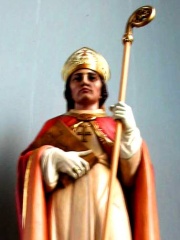
Saint Thorlak
1133 - 1193
HPI: 57.57
Rank: 2,583

Gamzat-bek
1789 - 1834
HPI: 57.55
Rank: 2,584

Pietro Palazzini
1912 - 2000
HPI: 57.55
Rank: 2,585
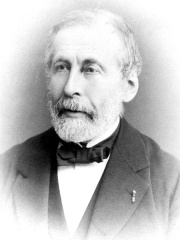
Alfred Des Cloizeaux
1817 - 1897
HPI: 57.54
Rank: 2,586
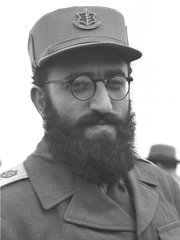
Shlomo Goren
1917 - 1994
HPI: 57.54
Rank: 2,587

Jon Sobrino
1938 - Present
HPI: 57.53
Rank: 2,588

Contemporaries
Among people born in 1813, János Simor ranks 59. Before him are Isidore Pils, Charles Blanc, Prince August of Württemberg, Otto Ludwig, Japetus Steenstrup, and Stephen A. Douglas. After him are Karel Sabina, Louise-Victorine Ackermann, Franz Delitzsch, Semen Hulak-Artemovsky, Aloys Sprenger, and Giovanni Luppis. Among people deceased in 1891, János Simor ranks 88. Before him are Antonio Ciseri, Princess Ida of Schaumburg-Lippe, Lajos Haynald, Barbara Bodichon, Pierre de Decker, and Ahmed Vefik Pasha. After him are Henri de Brouckère, Alexander Potebnja, Amalie Dietrich, Franco Faccio, Nikolay Ilminsky, and Emma Abbott.
Others Born in 1813
Go to all Rankings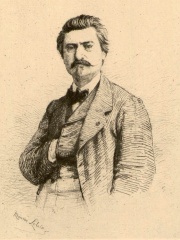
Isidore Pils
PAINTER
1813 - 1875
HPI: 58.47
Rank: 53
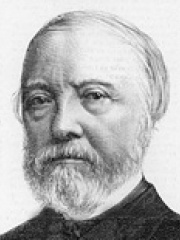
Charles Blanc
WRITER
1813 - 1882
HPI: 58.45
Rank: 54
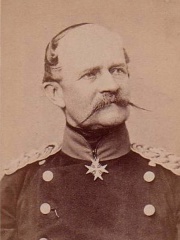
Prince August of Württemberg
POLITICIAN
1813 - 1885
HPI: 58.28
Rank: 55
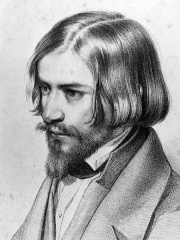
Otto Ludwig
WRITER
1813 - 1865
HPI: 58.09
Rank: 56
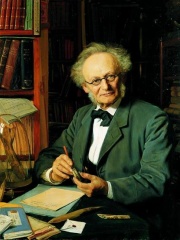
Japetus Steenstrup
BIOLOGIST
1813 - 1897
HPI: 58.06
Rank: 57
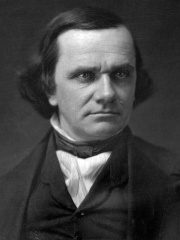
Stephen A. Douglas
POLITICIAN
1813 - 1861
HPI: 57.76
Rank: 58
János Simor
RELIGIOUS FIGURE
1813 - 1891
HPI: 57.58
Rank: 59

Karel Sabina
WRITER
1813 - 1877
HPI: 57.41
Rank: 60
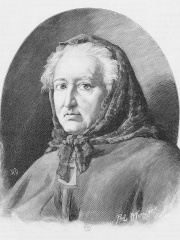
Louise-Victorine Ackermann
WRITER
1813 - 1890
HPI: 57.35
Rank: 61
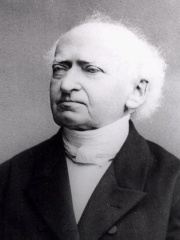
Franz Delitzsch
RELIGIOUS FIGURE
1813 - 1890
HPI: 57.33
Rank: 62
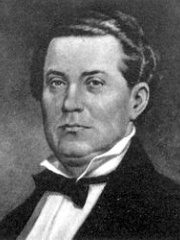
Semen Hulak-Artemovsky
COMPOSER
1813 - 1873
HPI: 57.32
Rank: 63

Aloys Sprenger
RELIGIOUS FIGURE
1813 - 1893
HPI: 57.23
Rank: 64
Giovanni Luppis
MILITARY PERSONNEL
1813 - 1875
HPI: 57.01
Rank: 65
Others Deceased in 1891
Go to all Rankings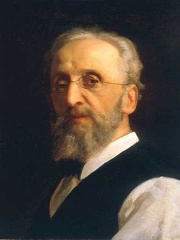
Antonio Ciseri
PAINTER
1821 - 1891
HPI: 58.40
Rank: 82
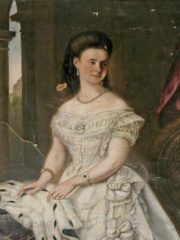
Princess Ida of Schaumburg-Lippe
NOBLEMAN
1852 - 1891
HPI: 58.39
Rank: 83
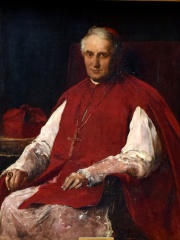
Lajos Haynald
RELIGIOUS FIGURE
1816 - 1891
HPI: 58.33
Rank: 84
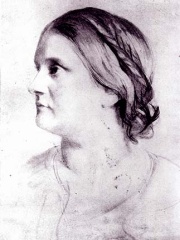
Barbara Bodichon
PAINTER
1827 - 1891
HPI: 58.27
Rank: 85
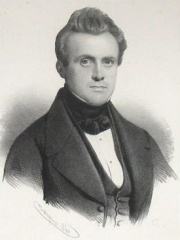
Pierre de Decker
POLITICIAN
1812 - 1891
HPI: 58.15
Rank: 86
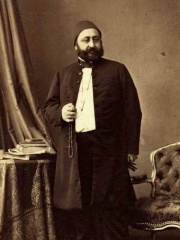
Ahmed Vefik Pasha
POLITICIAN
1823 - 1891
HPI: 57.60
Rank: 87
János Simor
RELIGIOUS FIGURE
1813 - 1891
HPI: 57.58
Rank: 88
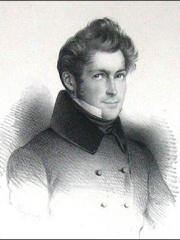
Henri de Brouckère
POLITICIAN
1801 - 1891
HPI: 57.57
Rank: 89
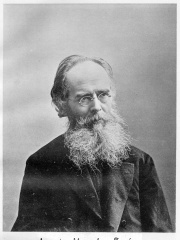
Alexander Potebnja
LINGUIST
1835 - 1891
HPI: 57.51
Rank: 90
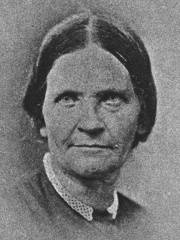
Amalie Dietrich
BIOLOGIST
1821 - 1891
HPI: 57.47
Rank: 91
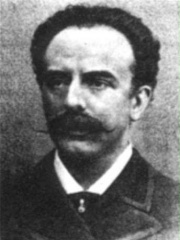
Franco Faccio
COMPOSER
1840 - 1891
HPI: 57.33
Rank: 92
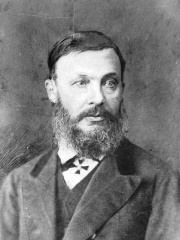
Nikolay Ilminsky
RELIGIOUS FIGURE
1822 - 1891
HPI: 57.25
Rank: 93
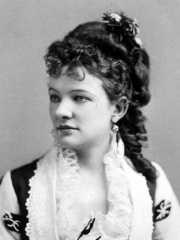
Emma Abbott
SINGER
1850 - 1891
HPI: 56.61
Rank: 94
In ハンガリー
Among people born in ハンガリー, János Simor ranks 488 out of NaN. Before him are Franciska Gaal (1903), Archduchess Maria Dorothea of Austria (1867), Lajos Csordás (1932), Judit Temes (1930), Mari Törőcsik (1935), and Zsuzsa Koncz (1946). After him are Kálmán Kandó (1869), Gyula Illyés (1902), István Mészáros (1930), István Pelle (1907), Angelica Bella (1968), and Károly Bartha (1907).
Others born in ハンガリー
Go to all Rankings
Franciska Gaal
ACTOR
1903 - 1972
HPI: 57.67
Rank: 482
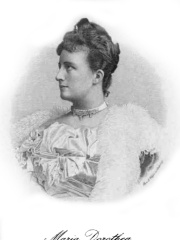
Archduchess Maria Dorothea of Austria
NOBLEMAN
1867 - 1932
HPI: 57.67
Rank: 483

Lajos Csordás
SOCCER PLAYER
1932 - 1968
HPI: 57.67
Rank: 484
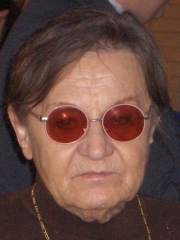
Judit Temes
SWIMMER
1930 - 2013
HPI: 57.66
Rank: 485

Mari Törőcsik
ACTOR
1935 - 2021
HPI: 57.66
Rank: 486

Zsuzsa Koncz
SINGER
1946 - Present
HPI: 57.61
Rank: 487
János Simor
RELIGIOUS FIGURE
1813 - 1891
HPI: 57.58
Rank: 488
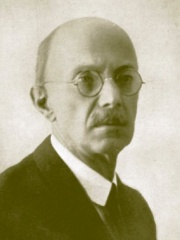
Kálmán Kandó
INVENTOR
1869 - 1931
HPI: 57.55
Rank: 489
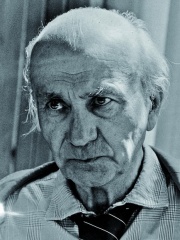
Gyula Illyés
WRITER
1902 - 1983
HPI: 57.55
Rank: 490

István Mészáros
PHILOSOPHER
1930 - 2017
HPI: 57.52
Rank: 491

István Pelle
GYMNAST
1907 - 1986
HPI: 57.51
Rank: 492

Angelica Bella
PORNOGRAPHIC ACTOR
1968 - 2021
HPI: 57.51
Rank: 493

Károly Bartha
SWIMMER
1907 - 1991
HPI: 57.47
Rank: 494
Among 宗教家 In ハンガリー
Among 宗教家 born in ハンガリー, János Simor ranks 15. Before him are Friar Julian (1250), Sára Salkaházi (1899), László Paskai (1927), Vilmos Zsigmond (1930), László Lékai (1910), and Lajos Haynald (1816). After him are Zoltan Sarosy (1906), Kolos Ferenc Vaszary (1832), László Kovács (1933), János Brenner (1931), and Péter Fülöp Kocsis (1963).
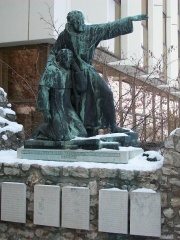
Friar Julian
1250 - Present
HPI: 60.69
Rank: 9
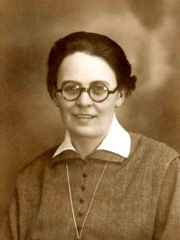
Sára Salkaházi
1899 - 1944
HPI: 60.32
Rank: 10

László Paskai
1927 - 2015
HPI: 59.65
Rank: 11
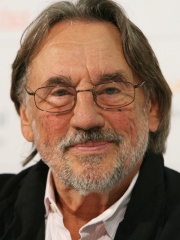
Vilmos Zsigmond
1930 - 2016
HPI: 59.47
Rank: 12
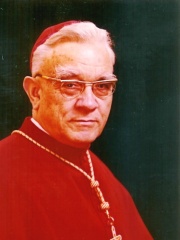
László Lékai
1910 - 1986
HPI: 58.56
Rank: 13
Lajos Haynald
1816 - 1891
HPI: 58.33
Rank: 14
János Simor
1813 - 1891
HPI: 57.58
Rank: 15

Zoltan Sarosy
1906 - 2017
HPI: 56.44
Rank: 16
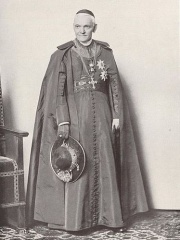
Kolos Ferenc Vaszary
1832 - 1915
HPI: 56.00
Rank: 17

László Kovács
1933 - 2007
HPI: 54.94
Rank: 18
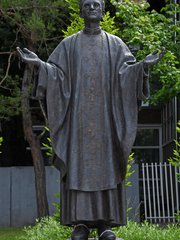
János Brenner
1931 - 1957
HPI: 53.74
Rank: 19
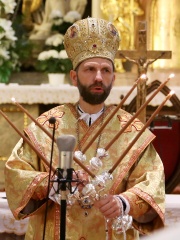
Péter Fülöp Kocsis
1963 - Present
HPI: 49.26
Rank: 20




