Astronomo
Sandra Faber
1944 - presente
VISUALIZZAZIONI SU IT.WIKIPEDIA (PV)
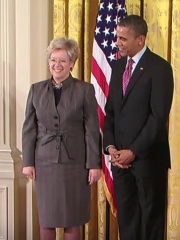
 Sandra Faber
La sua biografia è disponibile in 35 lingue su Wikipedia (in aumento rispetto a 34 nel 2024). Sandra Faber è la 274ª astronomo più popolare (in calo dal 256ª nel 2024), la 3952ª biografia più popolare della Stati Uniti (in calo dal 3716ª nel 2019) e la 48ª astronomo più popolare della Stati Uniti.
Metriche di memorabilità
9.5k
Visualizzazioni
Ultimi 12 mesi
61.03
HPI
Indice di popolarità storica
Dati in evidenza
118
Sandra Faber è una delle sole 118 donne tra i 644 Astronomo di Pantheon.
35
La biografia di Sandra Faber compare in 35 edizioni linguistiche di Wikipedia — più del 78% di tutti i Astronomo.
28 dic
Sandra Faber condivide il compleanno (28 dicembre) con John von Neumann, Woodrow Wilson e Stan Lee.
Visualizzazioni della pagina di Sandra Faber per lingua
Tra Astronomo
Tra Astronomo, Sandra Faber occupa la posizione 274 su 644. Prima di lei ci sono Wilhelm Julius Foerster, Edward Walter Maunder, Aleksander Wolszczan, Cleostratus, Gottfried Kirch, e Pierre Charles Le Monnier. Dopo di lei ci sono Daniel Kirkwood, Antonia Maury, Marguerite Laugier, Giovanni Domenico Maraldi, André-Louis Danjon, e Geminiano Montanari.
Astronomo più popolari su Wikipedia
Vai a tutte le classifiche
Wilhelm Julius Foerster
1832 - 1921
HPI: 61.25
Posizione: 268
Edward Walter Maunder
1851 - 1928
HPI: 61.13
Posizione: 269

Aleksander Wolszczan
1946 - presente
HPI: 61.11
Posizione: 270

Cleostratus
520 BC - 432 BC
HPI: 61.07
Posizione: 271
Gottfried Kirch
1639 - 1710
HPI: 61.06
Posizione: 272
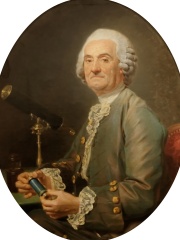
Pierre Charles Le Monnier
1715 - 1799
HPI: 61.04
Posizione: 273
Sandra Faber
1944 - presente
HPI: 61.03
Posizione: 274
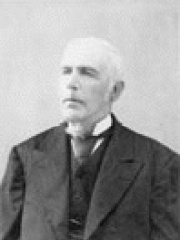
Daniel Kirkwood
1814 - 1895
HPI: 60.98
Posizione: 275
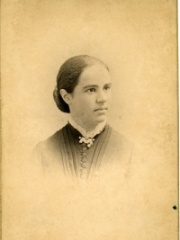
Antonia Maury
1866 - 1952
HPI: 60.97
Posizione: 276

Marguerite Laugier
1896 - 1976
HPI: 60.97
Posizione: 277
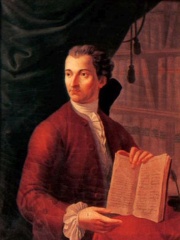
Giovanni Domenico Maraldi
1709 - 1788
HPI: 60.97
Posizione: 278
André-Louis Danjon
1890 - 1967
HPI: 60.95
Posizione: 279

Geminiano Montanari
1633 - 1687
HPI: 60.94
Posizione: 280

Contemporanei
Tra le persone nate nel 1944, Sandra Faber occupa la posizione 294. Prima di lei ci sono Vernor Vinge, Abdul Qadir, Eddie Gómez, Peter Bieri, Robert Hanssen, e Christine Chubbuck. Dopo di lei ci sono Bo Larsson, Lars Norén, Geoffrey Hughes, Jacques-Alain Miller, Rebecca Horn, e Carlos Pachamé.
Altre persone nate nel 1944
Vai a tutte le classifiche
Vernor Vinge
COMPUTER SCIENTIST
1944 - 2024
HPI: 61.16
Posizione: 288

Abdul Qadir
POLITICIAN
1944 - 2014
HPI: 61.11
Posizione: 289

Eddie Gómez
MUSICIAN
1944 - presente
HPI: 61.10
Posizione: 290

Peter Bieri
WRITER
1944 - 2023
HPI: 61.08
Posizione: 291
Robert Hanssen
MAFIOSO
1944 - 2023
HPI: 61.07
Posizione: 292
Christine Chubbuck
PRESENTER
1944 - 1974
HPI: 61.03
Posizione: 293
Sandra Faber
ASTRONOMER
1944 - presente
HPI: 61.03
Posizione: 294

Bo Larsson
SOCCER PLAYER
1944 - 2023
HPI: 60.97
Posizione: 295
Lars Norén
WRITER
1944 - 2021
HPI: 60.92
Posizione: 296

Geoffrey Hughes
ACTOR
1944 - 2012
HPI: 60.91
Posizione: 297

Jacques-Alain Miller
PSYCHOLOGIST
1944 - presente
HPI: 60.89
Posizione: 298
Rebecca Horn
SCULPTOR
1944 - 2024
HPI: 60.85
Posizione: 299

Carlos Pachamé
SOCCER PLAYER
1944 - presente
HPI: 60.84
Posizione: 300
In Stati Uniti
Tra le persone nate in Stati Uniti, Sandra Faber occupa la posizione 3,952 su 20,380. Prima di lei ci sono Randy Couture (1963), Melvil Dewey (1851), Robert B. Anderson (1910), Susan Sullivan (1942), Dick Dale (1937), e Christine Chubbuck (1944). Dopo di lei ci sono Willy DeVille (1950), Ruth Teitelbaum (1924), Nolan North (1970), Timothy Hutton (1960), Mary Tyler Moore (1936), e Rosemary Clooney (1928).
Altre persone nate in Stati Uniti
Vai a tutte le classifiche
Randy Couture
MARTIAL ARTS
1963 - presente
HPI: 61.04
Posizione: 3,946
Melvil Dewey
INVENTOR
1851 - 1931
HPI: 61.04
Posizione: 3,947
Robert B. Anderson
POLITICIAN
1910 - 1989
HPI: 61.04
Posizione: 3,948
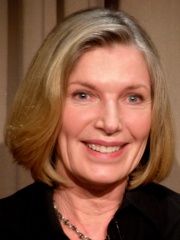
Susan Sullivan
ACTOR
1942 - presente
HPI: 61.04
Posizione: 3,949

Dick Dale
MUSICIAN
1937 - 2019
HPI: 61.04
Posizione: 3,950
Christine Chubbuck
PRESENTER
1944 - 1974
HPI: 61.03
Posizione: 3,951
Sandra Faber
ASTRONOMER
1944 - presente
HPI: 61.03
Posizione: 3,952

Willy DeVille
MUSICIAN
1950 - 2009
HPI: 61.03
Posizione: 3,953
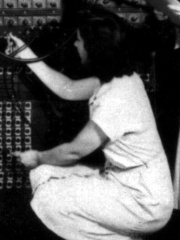
Ruth Teitelbaum
COMPUTER SCIENTIST
1924 - 1986
HPI: 61.02
Posizione: 3,954
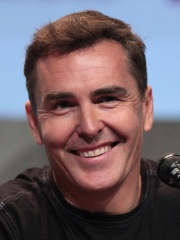
Nolan North
ACTOR
1970 - presente
HPI: 61.02
Posizione: 3,955
Timothy Hutton
ACTOR
1960 - presente
HPI: 61.02
Posizione: 3,956
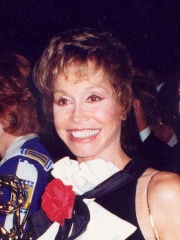
Mary Tyler Moore
COMEDIAN
1936 - 2017
HPI: 61.02
Posizione: 3,957
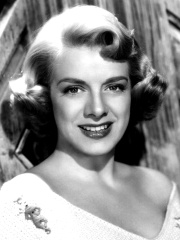
Rosemary Clooney
SINGER
1928 - 2002
HPI: 61.01
Posizione: 3,958
Tra Astronomo in Stati Uniti
Tra Astronomo nati in Stati Uniti, Sandra Faber occupa la posizione 48. Prima di lei ci sono Horace Parnell Tuttle (1837), William Wallace Campbell (1862), Charles T. Kowal (1940), William Cranch Bond (1789), Halton Arp (1927), e Elizabeth Roemer (1929). Dopo di lei ci sono Daniel Kirkwood (1814), Antonia Maury (1866), Heber Doust Curtis (1872), Raymond Smith Dugan (1878), James W. Christy (1938), e Eugene Parker (1927).
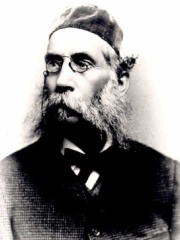
Horace Parnell Tuttle
1837 - 1923
HPI: 62.52
Posizione: 42
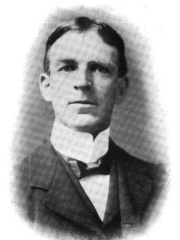
William Wallace Campbell
1862 - 1938
HPI: 62.45
Posizione: 43
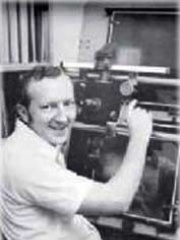
Charles T. Kowal
1940 - 2011
HPI: 62.05
Posizione: 44
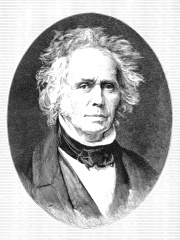
William Cranch Bond
1789 - 1859
HPI: 61.84
Posizione: 45
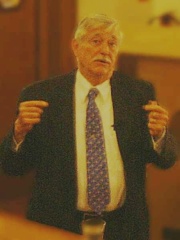
Halton Arp
1927 - 2013
HPI: 61.83
Posizione: 46
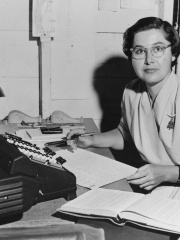
Elizabeth Roemer
1929 - 2016
HPI: 61.54
Posizione: 47
Sandra Faber
1944 - presente
HPI: 61.03
Posizione: 48
Daniel Kirkwood
1814 - 1895
HPI: 60.98
Posizione: 49
Antonia Maury
1866 - 1952
HPI: 60.97
Posizione: 50
Heber Doust Curtis
1872 - 1942
HPI: 60.92
Posizione: 51

Raymond Smith Dugan
1878 - 1940
HPI: 60.87
Posizione: 52
James W. Christy
1938 - presente
HPI: 60.73
Posizione: 53
Eugene Parker
1927 - 2022
HPI: 60.43
Posizione: 54




