Figura religiosa
Saint Homobonus
1117 - 1197
VISUALIZZAZIONI SU IT.WIKIPEDIA (PV)
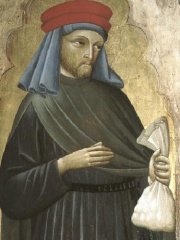
 Saint Homobonus
La sua biografia è disponibile in 18 lingue su Wikipedia. Saint Homobonus è il 1768° figura religiosa più popolare (in calo dal 1229° nel 2024), la 2331ª biografia più popolare dell'Italia (in calo dal 1792ª nel 2019) e il 424° figura religiosa più popolare dell'Italia.
Metriche di memorabilità
48k
Visualizzazioni
Ultimi 12 mesi
61.96
HPI
Indice di popolarità storica
Dati in evidenza
#29,326
A oltre 8 secoli dalla morte, Saint Homobonus occupa ancora la posizione n. 29,326 tra tutte le personalità di Pantheon.
1 gen
Saint Homobonus condivide il compleanno (1 gennaio) con Mary, mother of Jesus, Saint Peter e Laozi.
Visualizzazioni della pagina di Saint Homobonus per lingua
Tra Figura religiosa
Tra Figura religiosa, Saint Homobonus occupa la posizione 1,768 su 3,187. Prima di lui ci sono Soga no Umako, Antonio Caggiano, Josef Frings, Leo Joseph Suenens, Felix of Nola, e Gabriel Zubeir Wako. Dopo di lui ci sono Judoc, Andrey Sheptytsky, William Wakefield Baum, Arturo Sosa, Julian of Norwich, e Joachim III of Constantinople.
Figura religiosa più popolari su Wikipedia
Vai a tutte le classifiche

Soga no Umako
551 - 626
HPI: 61.98
Posizione: 1,762

Antonio Caggiano
1889 - 1979
HPI: 61.98
Posizione: 1,763
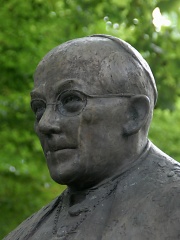
Josef Frings
1887 - 1978
HPI: 61.97
Posizione: 1,764
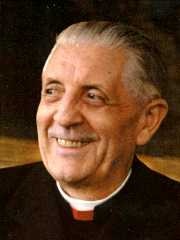
Leo Joseph Suenens
1904 - 1996
HPI: 61.97
Posizione: 1,765
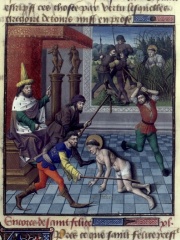
Felix of Nola
300 - 313
HPI: 61.96
Posizione: 1,766
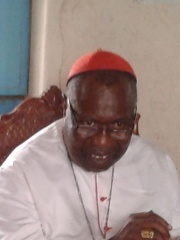
Gabriel Zubeir Wako
1941 - presente
HPI: 61.96
Posizione: 1,767
Saint Homobonus
1117 - 1197
HPI: 61.96
Posizione: 1,768
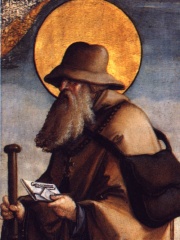
Judoc
600 - 668
HPI: 61.96
Posizione: 1,769
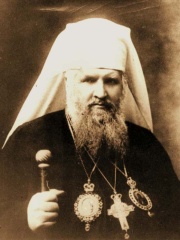
Andrey Sheptytsky
1865 - 1944
HPI: 61.95
Posizione: 1,770
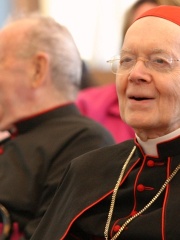
William Wakefield Baum
1926 - 2015
HPI: 61.95
Posizione: 1,771
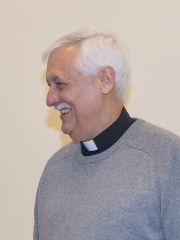
Arturo Sosa
1948 - presente
HPI: 61.93
Posizione: 1,772
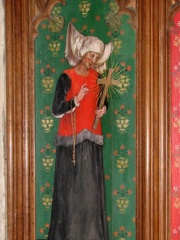
Julian of Norwich
1342 - 1416
HPI: 61.93
Posizione: 1,773
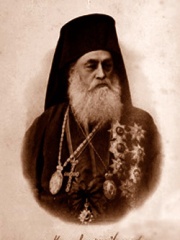
Joachim III of Constantinople
1834 - 1912
HPI: 61.93
Posizione: 1,774

Contemporanei
Tra le persone nate nel 1117, Saint Homobonus occupa la posizione 2. Prima di lui c'è Alain de Lille. Tra le persone decedute nel 1197, Saint Homobonus occupa la posizione 6. Prima di lui ci sono Henry VI, Holy Roman Emperor, Henry II, Count of Champagne, Peter II of Bulgaria, Margaret of France, Queen of England and Hungary, e William de Longchamp. Dopo di lui ci sono Bretislav III, Margaritus of Brindisi, Gertrude of Bavaria, e Rhys ap Gruffydd.
Altre persone nate nel 1117
Vai a tutte le classifiche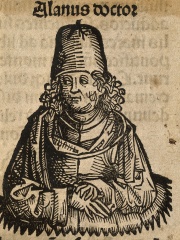
Alain de Lille
PHILOSOPHER
1117 - 1202
HPI: 67.19
Posizione: 1
Saint Homobonus
RELIGIOUS FIGURE
1117 - 1197
HPI: 61.96
Posizione: 2
Altre persone decedute nel 1197
Vai a tutte le classifiche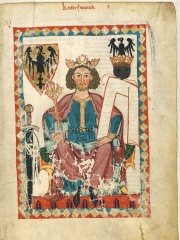
Henry VI, Holy Roman Emperor
POLITICIAN
1165 - 1197
HPI: 76.61
Posizione: 1
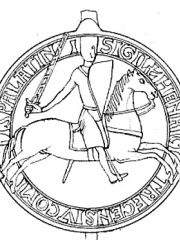
Henry II, Count of Champagne
POLITICIAN
1166 - 1197
HPI: 71.75
Posizione: 2
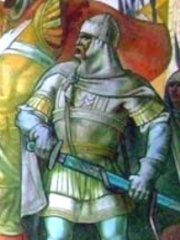
Peter II of Bulgaria
POLITICIAN
1150 - 1197
HPI: 67.84
Posizione: 3
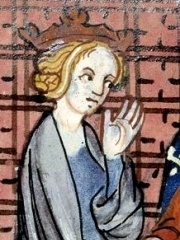
Margaret of France, Queen of England and Hungary
COMPANION
1158 - 1197
HPI: 65.68
Posizione: 4
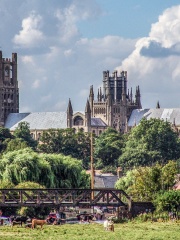
William de Longchamp
RELIGIOUS FIGURE
1101 - 1197
HPI: 63.69
Posizione: 5
Saint Homobonus
RELIGIOUS FIGURE
1117 - 1197
HPI: 61.96
Posizione: 6
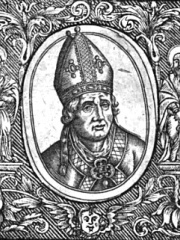
Bretislav III
POLITICIAN
1200 - 1197
HPI: 60.22
Posizione: 7
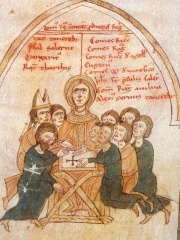
Margaritus of Brindisi
POLITICIAN
1149 - 1197
HPI: 59.18
Posizione: 8
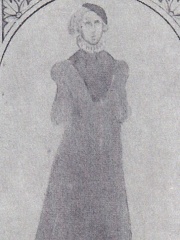
Gertrude of Bavaria
1152 - 1197
HPI: 58.55
Posizione: 9
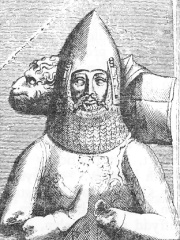
Rhys ap Gruffydd
POLITICIAN
1132 - 1197
HPI: 54.61
Posizione: 10
In Italia
Tra le persone nate in Italia, Saint Homobonus occupa la posizione 2,331 su 5,161. Prima di lui ci sono Louis, King of Sicily (1338), Lucilius Junior (6), William II, Duke of Apulia (1095), Giuseppe Terragni (1904), Daniele Barbaro (1513), e Felix of Nola (300). Dopo di lui ci sono Indro Montanelli (1909), Sophron (-500), Titus Flavius Sabinus (100), Ludwig Thuille (1861), Archduke Rainer Ferdinand of Austria (1827), e Massimo d'Azeglio (1798).
Altre persone nate in Italia
Vai a tutte le classifiche
Louis, King of Sicily
POLITICIAN
1338 - 1355
HPI: 61.99
Posizione: 2,325

Lucilius Junior
WRITER
6 - 100
HPI: 61.99
Posizione: 2,326

William II, Duke of Apulia
POLITICIAN
1095 - 1127
HPI: 61.98
Posizione: 2,327

Giuseppe Terragni
ARCHITECT
1904 - 1943
HPI: 61.97
Posizione: 2,328
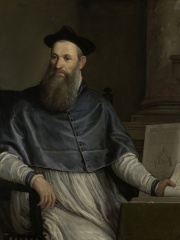
Daniele Barbaro
MATHEMATICIAN
1513 - 1570
HPI: 61.97
Posizione: 2,329
Felix of Nola
RELIGIOUS FIGURE
300 - 313
HPI: 61.96
Posizione: 2,330
Saint Homobonus
RELIGIOUS FIGURE
1117 - 1197
HPI: 61.96
Posizione: 2,331

Indro Montanelli
WRITER
1909 - 2001
HPI: 61.96
Posizione: 2,332

Sophron
WRITER
500 BC - 460 BC
HPI: 61.96
Posizione: 2,333

Titus Flavius Sabinus
POLITICIAN
100 - 83
HPI: 61.95
Posizione: 2,334
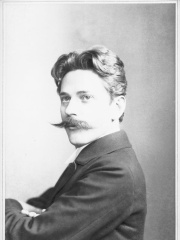
Ludwig Thuille
COMPOSER
1861 - 1907
HPI: 61.94
Posizione: 2,335
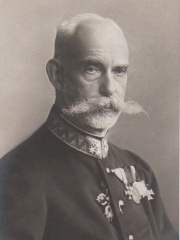
Archduke Rainer Ferdinand of Austria
POLITICIAN
1827 - 1913
HPI: 61.94
Posizione: 2,336
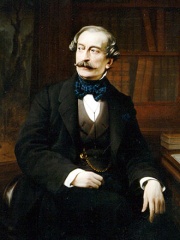
Massimo d'Azeglio
POLITICIAN
1798 - 1866
HPI: 61.92
Posizione: 2,337
Tra Figura religiosa in Italia
Tra Figura religiosa nati in Italia, Saint Homobonus occupa la posizione 424. Prima di lui ci sono Teodolfo Mertel (1806), Gaspar del Bufalo (1786), Achille Silvestrini (1923), Pietro Riario (1447), Alexander of Bergamo (201), e Felix of Nola (300). Dopo di lui ci sono Antonio Barberini (1607), Giovanni Morone (1509), Antonio Maria Vegliò (1938), Emerentiana (250), Marco Cé (1925), e Luigi Poggi (1917).
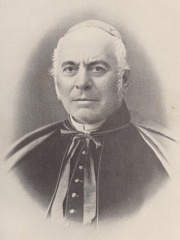
Teodolfo Mertel
1806 - 1899
HPI: 62.09
Posizione: 418
Gaspar del Bufalo
1786 - 1837
HPI: 62.04
Posizione: 419
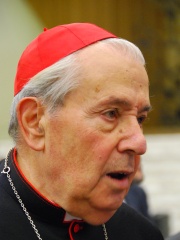
Achille Silvestrini
1923 - 2019
HPI: 62.03
Posizione: 420
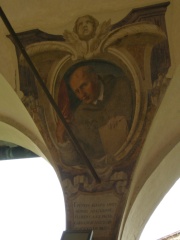
Pietro Riario
1447 - 1474
HPI: 62.02
Posizione: 421
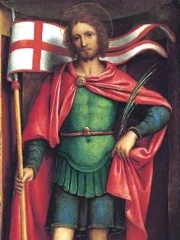
Alexander of Bergamo
201 - 303
HPI: 62.00
Posizione: 422
Felix of Nola
300 - 313
HPI: 61.96
Posizione: 423
Saint Homobonus
1117 - 1197
HPI: 61.96
Posizione: 424
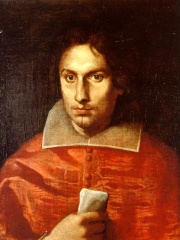
Antonio Barberini
1607 - 1671
HPI: 61.91
Posizione: 425
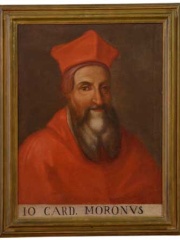
Giovanni Morone
1509 - 1580
HPI: 61.80
Posizione: 426
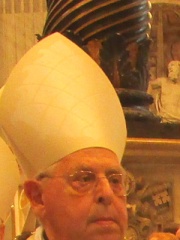
Antonio Maria Vegliò
1938 - presente
HPI: 61.77
Posizione: 427
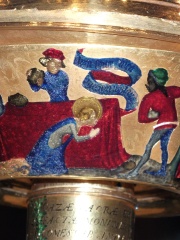
Emerentiana
250 - 304
HPI: 61.70
Posizione: 428
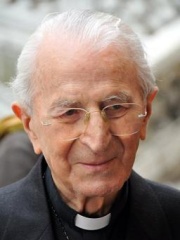
Marco Cé
1925 - 2014
HPI: 61.69
Posizione: 429
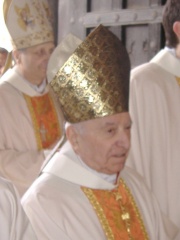
Luigi Poggi
1917 - 2010
HPI: 61.65
Posizione: 430




