Politico
Rached Ghannouchi
1941 - presente
VISUALIZZAZIONI SU IT.WIKIPEDIA (PV)
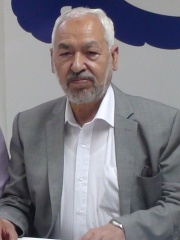

 Rached Ghannouchi
La sua biografia è disponibile in 30 lingue su Wikipedia (in aumento rispetto a 29 nel 2024). Rached Ghannouchi è il 7964° politico più popolare (in calo dal 6552° nel 2024), la 51ª biografia più popolare della Tunisia (in calo dal 46ª nel 2019) e il 29° politico più popolare della Tunisia.
Metriche di memorabilità
62k
Visualizzazioni
Ultimi 12 mesi
63.23
HPI
Indice di popolarità storica
Dati in evidenza
30
La biografia di Rached Ghannouchi copre 30 edizioni linguistiche di Wikipedia e ottiene un Indice di Popolarità Storica di 63.23.
Visualizzazioni della pagina di Rached Ghannouchi per lingua
Tra Politico
Tra Politico, Rached Ghannouchi occupa la posizione 7,961 su 20,022. Prima di lui ci sono Chris Hani, Il-Arslan, Tommy Burns, Kang Sheng, Hermann Kövess von Kövessháza, e Giuseppe Motta. Dopo di lui ci sono Abdul Rahman bin Faisal Al Saud, Anna Maria Franziska of Saxe-Lauenburg, Abu Inan Faris, Ignazio La Russa, George I of Bulgaria, e Pierre-Étienne Flandin.
Politico più popolari su Wikipedia
Vai a tutte le classifiche
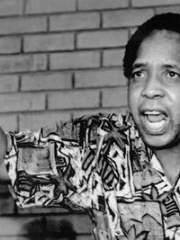
Chris Hani
1942 - 1993
HPI: 63.23
Posizione: 7,958
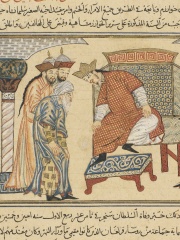
Il-Arslan
1150 - 1172
HPI: 63.23
Posizione: 7,959
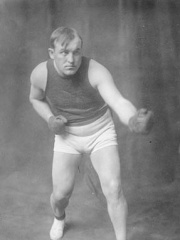
Tommy Burns
1881 - 1955
HPI: 63.23
Posizione: 7,960
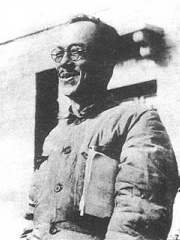
Kang Sheng
1898 - 1975
HPI: 63.23
Posizione: 7,961
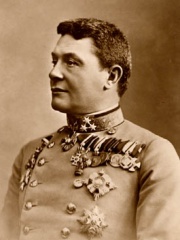
Hermann Kövess von Kövessháza
1854 - 1924
HPI: 63.23
Posizione: 7,962
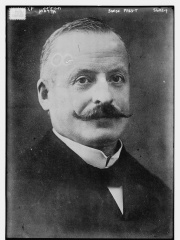
Giuseppe Motta
1871 - 1940
HPI: 63.23
Posizione: 7,963
Rached Ghannouchi
1941 - presente
HPI: 63.23
Posizione: 7,964
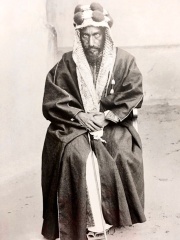
Abdul Rahman bin Faisal Al Saud
1850 - 1928
HPI: 63.22
Posizione: 7,965
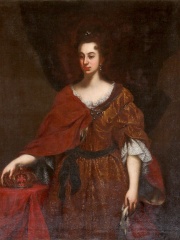
Anna Maria Franziska of Saxe-Lauenburg
1673 - 1741
HPI: 63.22
Posizione: 7,966
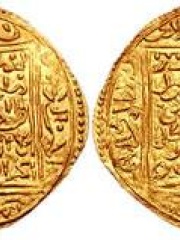
Abu Inan Faris
1329 - 1358
HPI: 63.22
Posizione: 7,967
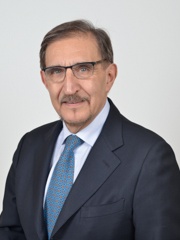
Ignazio La Russa
1947 - presente
HPI: 63.22
Posizione: 7,968
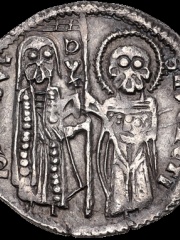
George I of Bulgaria
1300 - 1308
HPI: 63.22
Posizione: 7,969
Pierre-Étienne Flandin
1889 - 1958
HPI: 63.22
Posizione: 7,970

Contemporanei
Tra le persone nate nel 1941, Rached Ghannouchi occupa la posizione 175. Prima di lui ci sono Mirosław Hermaszewski, Geoff Hurst, Philippe Honoré, Raúl Ruiz, Pak Seung-zin, e Richard Holbrooke. Dopo di lui ci sono Ghena Dimitrova, Na Moon-hee, Fritz Wepper, Infante Alfonso of Spain, Eleni Karaindrou, e Andrei Mironov.
Altre persone nate nel 1941
Vai a tutte le classifiche
Mirosław Hermaszewski
ASTRONAUT
1941 - 2022
HPI: 63.61
Posizione: 169
Geoff Hurst
SOCCER PLAYER
1941 - presente
HPI: 63.59
Posizione: 170
Philippe Honoré
COMIC ARTIST
1941 - 2015
HPI: 63.56
Posizione: 171
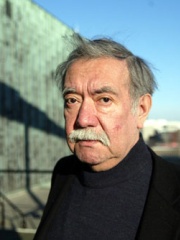
Raúl Ruiz
FILM DIRECTOR
1941 - 2011
HPI: 63.54
Posizione: 172

Pak Seung-zin
SOCCER PLAYER
1941 - 2011
HPI: 63.50
Posizione: 173
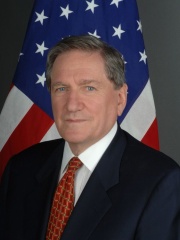
Richard Holbrooke
DIPLOMAT
1941 - 2010
HPI: 63.24
Posizione: 174
Rached Ghannouchi
POLITICIAN
1941 - presente
HPI: 63.23
Posizione: 175
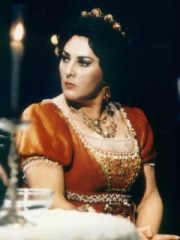
Ghena Dimitrova
SINGER
1941 - 2005
HPI: 63.13
Posizione: 176

Na Moon-hee
ACTOR
1941 - presente
HPI: 63.12
Posizione: 177
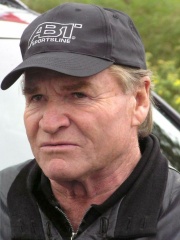
Fritz Wepper
ACTOR
1941 - 2024
HPI: 63.04
Posizione: 178
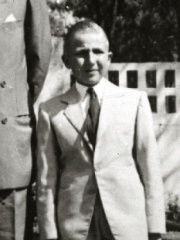
Infante Alfonso of Spain
POLITICIAN
1941 - 1956
HPI: 62.98
Posizione: 179

Eleni Karaindrou
COMPOSER
1941 - presente
HPI: 62.97
Posizione: 180
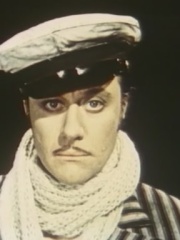
Andrei Mironov
ACTOR
1941 - 1987
HPI: 62.86
Posizione: 181
In Tunisia
Tra le persone nate in Tunisia, Rached Ghannouchi occupa la posizione 51 su 277. Prima di lui ci sono Maharbal (-245), Sandra Milo (1933), Salvius Julianus (115), Muhammad VIII al-Amin (1881), Hasdrubal Gisco (-300), e Hanno the Navigator (-633). Dopo di lui ci sono Gaius Claudius Nero (-300), Albert Memmi (1920), Mohamed Ennaceur (1934), Abdelmajid Lakhal (1939), Najla Bouden (1958), e Hannibal Gisco (-300).
Altre persone nate in Tunisia
Vai a tutte le classifiche
Maharbal
POLITICIAN
245 BC - 202 BC
HPI: 64.66
Posizione: 45
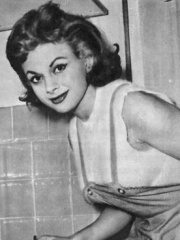
Sandra Milo
ACTOR
1933 - 2024
HPI: 63.94
Posizione: 46

Salvius Julianus
POLITICIAN
115 - 170
HPI: 63.83
Posizione: 47
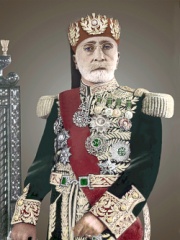
Muhammad VIII al-Amin
POLITICIAN
1881 - 1962
HPI: 63.72
Posizione: 48

Hasdrubal Gisco
MILITARY PERSONNEL
300 BC - 202 BC
HPI: 63.32
Posizione: 49

Hanno the Navigator
EXPLORER
633 BC - 530 BC
HPI: 63.30
Posizione: 50
Rached Ghannouchi
POLITICIAN
1941 - presente
HPI: 63.23
Posizione: 51
Gaius Claudius Nero
POLITICIAN
300 BC - 260 BC
HPI: 63.12
Posizione: 52
Albert Memmi
WRITER
1920 - 2020
HPI: 62.83
Posizione: 53
Mohamed Ennaceur
POLITICIAN
1934 - presente
HPI: 62.78
Posizione: 54

Abdelmajid Lakhal
ACTOR
1939 - 2014
HPI: 62.73
Posizione: 55
Najla Bouden
POLITICIAN
1958 - presente
HPI: 62.54
Posizione: 56

Hannibal Gisco
MILITARY PERSONNEL
300 BC - 260 BC
HPI: 62.12
Posizione: 57
Tra Politico in Tunisia
Tra Politico nati in Tunisia, Rached Ghannouchi occupa la posizione 29. Prima di lui ci sono Sophonisba (-300), Al-Mansur Billah (913), Hamida Djandoubi (1949), Maharbal (-245), Salvius Julianus (115), e Muhammad VIII al-Amin (1881). Dopo di lui ci sono Gaius Claudius Nero (-300), Mohamed Ennaceur (1934), Najla Bouden (1958), Hannibal Mago (-471), Bertrand Delanoë (1950), e Hamadi Jebali (1949).
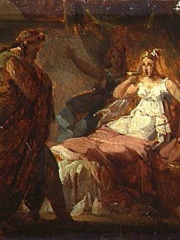
Sophonisba
300 BC - 203 BC
HPI: 66.32
Posizione: 23
Al-Mansur Billah
913 - 953
HPI: 65.71
Posizione: 24
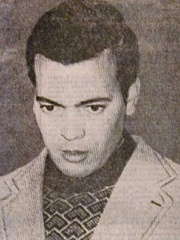
Hamida Djandoubi
1949 - 1977
HPI: 65.19
Posizione: 25
Maharbal
245 BC - 202 BC
HPI: 64.66
Posizione: 26
Salvius Julianus
115 - 170
HPI: 63.83
Posizione: 27
Muhammad VIII al-Amin
1881 - 1962
HPI: 63.72
Posizione: 28
Rached Ghannouchi
1941 - presente
HPI: 63.23
Posizione: 29
Gaius Claudius Nero
300 BC - 260 BC
HPI: 63.12
Posizione: 30
Mohamed Ennaceur
1934 - presente
HPI: 62.78
Posizione: 31
Najla Bouden
1958 - presente
HPI: 62.54
Posizione: 32

Hannibal Mago
471 BC - 406 BC
HPI: 61.56
Posizione: 33
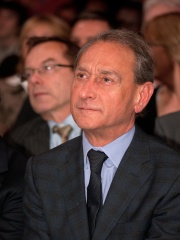
Bertrand Delanoë
1950 - presente
HPI: 61.23
Posizione: 34
Hamadi Jebali
1949 - presente
HPI: 60.59
Posizione: 35




