Militare
Padma Bandopadhyay
1944 - presente
IT.WIKIPEDIA PAGE VIEWS (PV)

 Padma Bandopadhyay
La sua biografia è disponibile in 18 lingue su Wikipedia (in aumento rispetto a 17 nel 2024). Padma Bandopadhyay è la 1747ª militare più popolare (in aumento dal 2041ª nel 2024), la 605ª biografia più popolare dell'India (in aumento dal 1202ª nel 2019) e la 11ª militare più popolare dell'India.
Memorability Metrics
11k
Page Views
Past 12 months
56.77
HPI
Historical Popularity Index
Page views of Padma Bandopadhyay by language
Among Militares
Among militares, Padma Bandopadhyay ranks 1,747 out of 2,058. Before her are Kurt Martti Wallenius, Marwan Issa, Shirase Nobu, Mohammad Reza Zahedi, Bartolina Sisa, and Ahmad Ismail Ali. After her are Irvin McDowell, Hans-Jürgen von Blumenthal, Alfons Rebane, Fernand de Langle de Cary, Honoré Charles Reille, and Aristodemus of Messenia.
Most Popular Militares in Wikipedia
Go to all Rankings

Kurt Martti Wallenius
1893 - 1984
HPI: 56.88
Rank: 1,741
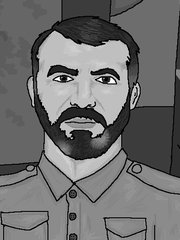
Marwan Issa
HPI: 56.87
Rank: 1,742
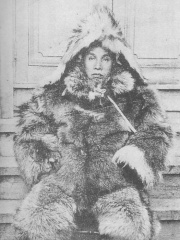
Shirase Nobu
1861 - 1946
HPI: 56.86
Rank: 1,743

Mohammad Reza Zahedi
1960 - 2024
HPI: 56.86
Rank: 1,744
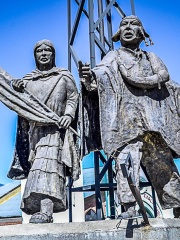
Bartolina Sisa
1753 - 1781
HPI: 56.83
Rank: 1,745

Ahmad Ismail Ali
1917 - 1974
HPI: 56.81
Rank: 1,746
Padma Bandopadhyay
1944 - Present
HPI: 56.77
Rank: 1,747
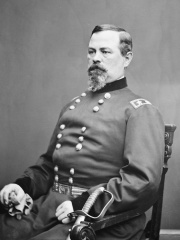
Irvin McDowell
1818 - 1885
HPI: 56.77
Rank: 1,748
Hans-Jürgen von Blumenthal
1907 - 1944
HPI: 56.77
Rank: 1,749
Alfons Rebane
1908 - 1976
HPI: 56.76
Rank: 1,750
Fernand de Langle de Cary
1849 - 1927
HPI: 56.76
Rank: 1,751
Honoré Charles Reille
1775 - 1860
HPI: 56.76
Rank: 1,752

Aristodemus of Messenia
HPI: 56.75
Rank: 1,753

Contemporaries
Among people born in 1944, Padma Bandopadhyay ranks 468. Before her are Dominique Lavanant, Francesco Morini, Fukushiro Nukaga, Li Changchun, John Abercrombie, and Nino Bravo. After her are Pedro de Felipe, Gilles Berolatti, Benjamin Kogo, Oscar Temaru, William Sanderson, and Renate Blume.
Others Born in 1944
Go to all Rankings
Dominique Lavanant
ACTOR
1944 - Present
HPI: 56.85
Rank: 462
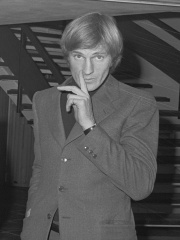
Francesco Morini
SOCCER PLAYER
1944 - 2021
HPI: 56.84
Rank: 463
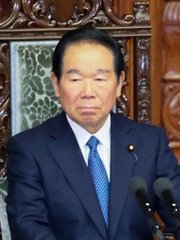
Fukushiro Nukaga
POLITICIAN
1944 - Present
HPI: 56.83
Rank: 464
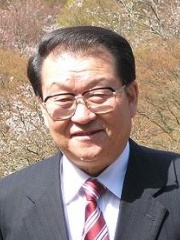
Li Changchun
POLITICIAN
1944 - Present
HPI: 56.81
Rank: 465
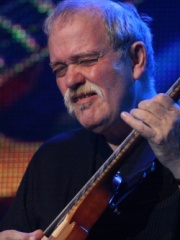
John Abercrombie
MUSICIAN
1944 - 2017
HPI: 56.80
Rank: 466
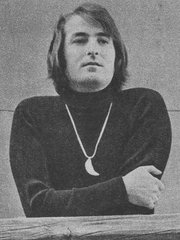
Nino Bravo
SINGER
1944 - 1973
HPI: 56.79
Rank: 467
Padma Bandopadhyay
MILITARY PERSONNEL
1944 - Present
HPI: 56.77
Rank: 468
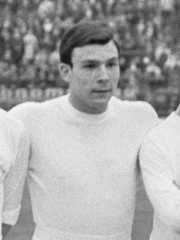
Pedro de Felipe
SOCCER PLAYER
1944 - 2016
HPI: 56.72
Rank: 469
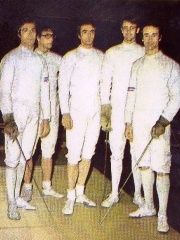
Gilles Berolatti
FENCER
1944 - Present
HPI: 56.66
Rank: 470

Benjamin Kogo
ATHLETE
1944 - 2022
HPI: 56.64
Rank: 471
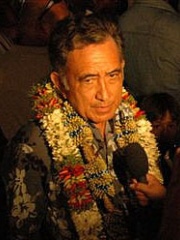
Oscar Temaru
POLITICIAN
1944 - Present
HPI: 56.62
Rank: 472
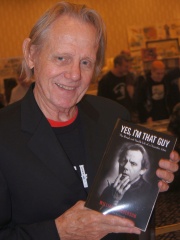
William Sanderson
ACTOR
1944 - Present
HPI: 56.61
Rank: 473
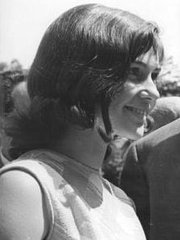
Renate Blume
ACTOR
1944 - Present
HPI: 56.59
Rank: 474
In India
Among people born in India, Padma Bandopadhyay ranks 605 out of NaN. Before her are Antony Padiyara (1921), Azim Premji (1945), Harihara I (1336), Palden Thondup Namgyal (1923), Om Puri (1950), and Barry Hay (1948). After her are Humpy Koneru (1987), Samantha Akkineni (1987), Brian Horrocks (1895), Nayanthara (1984), Rajendra K. Pachauri (1940), and R. K. Narayan (1906).
Others born in India
Go to all Rankings
Antony Padiyara
RELIGIOUS FIGURE
1921 - 2000
HPI: 56.88
Rank: 599
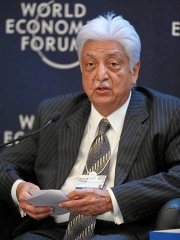
Azim Premji
BUSINESSPERSON
1945 - Present
HPI: 56.88
Rank: 600
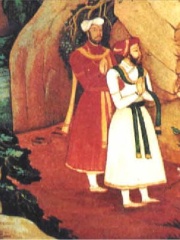
Harihara I
POLITICIAN
1336 - 1356
HPI: 56.87
Rank: 601
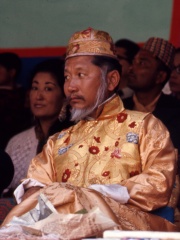
Palden Thondup Namgyal
POLITICIAN
1923 - 1982
HPI: 56.85
Rank: 602
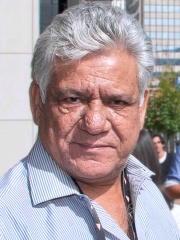
Om Puri
ACTOR
1950 - 2017
HPI: 56.83
Rank: 603

Barry Hay
MUSICIAN
1948 - Present
HPI: 56.80
Rank: 604
Padma Bandopadhyay
MILITARY PERSONNEL
1944 - Present
HPI: 56.77
Rank: 605
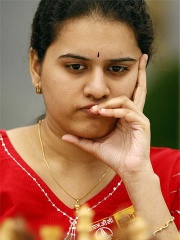
Humpy Koneru
CHESS PLAYER
1987 - Present
HPI: 56.77
Rank: 606

Samantha Akkineni
ACTOR
1987 - Present
HPI: 56.77
Rank: 607
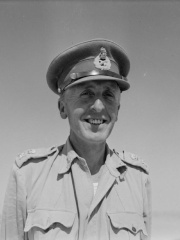
Brian Horrocks
COMPANION
1895 - 1985
HPI: 56.76
Rank: 608

Nayanthara
ACTOR
1984 - Present
HPI: 56.76
Rank: 609
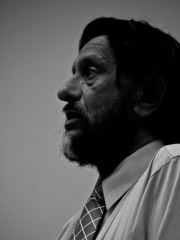
Rajendra K. Pachauri
SOCIAL ACTIVIST
1940 - 2020
HPI: 56.76
Rank: 610
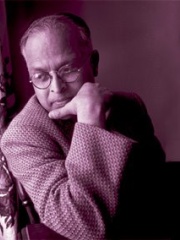
R. K. Narayan
WRITER
1906 - 2001
HPI: 56.73
Rank: 611
Among Militares In India
Among militares born in India, Padma Bandopadhyay ranks 11. Before her are Kenneth Anderson (1891), Rash Behari Bose (1886), Orde Wingate (1903), Frederick Roberts, 1st Earl Roberts (1832), John Frost (1912), and William Birdwood (1865). After her are Somnath Sharma (1923), Sam Manekshaw (1914), Ajit Doval (1945), Bakht Khan (1797), John Hunt, Baron Hunt (1910), and Bipin Rawat (1958).
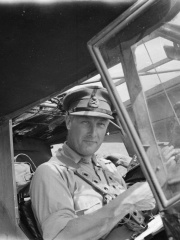
Kenneth Anderson
1891 - 1959
HPI: 61.26
Rank: 5
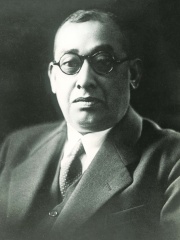
Rash Behari Bose
1886 - 1945
HPI: 60.72
Rank: 6
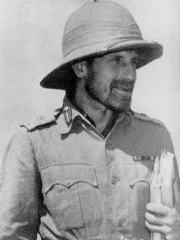
Orde Wingate
1903 - 1944
HPI: 59.16
Rank: 7
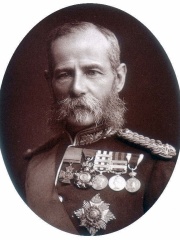
Frederick Roberts, 1st Earl Roberts
1832 - 1914
HPI: 58.74
Rank: 8
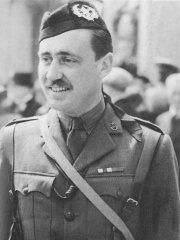
John Frost
1912 - 1993
HPI: 58.57
Rank: 9
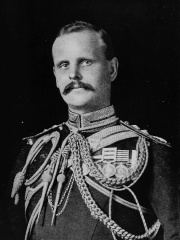
William Birdwood
1865 - 1951
HPI: 57.52
Rank: 10
Padma Bandopadhyay
1944 - Present
HPI: 56.77
Rank: 11
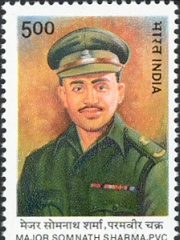
Somnath Sharma
1923 - 1947
HPI: 55.55
Rank: 12
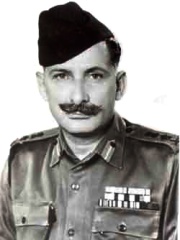
Sam Manekshaw
1914 - 2008
HPI: 55.33
Rank: 13
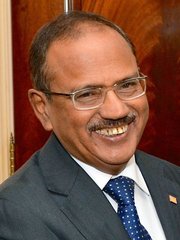
Ajit Doval
1945 - Present
HPI: 53.32
Rank: 14
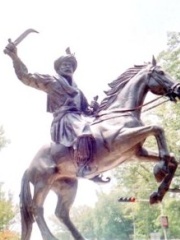
Bakht Khan
1797 - 1859
HPI: 53.05
Rank: 15
John Hunt, Baron Hunt
1910 - 1998
HPI: 50.72
Rank: 16
Bipin Rawat
1958 - 2021
HPI: 48.33
Rank: 17




