Compositore
Craig Armstrong
1959 - presente
IT.WIKIPEDIA PAGE VIEWS (PV)


 Craig Armstrong
La sua biografia è disponibile in 26 lingue su Wikipedia (in aumento rispetto a 25 nel 2024). Craig Armstrong è il 1237° compositore più popolare (in calo dal 1204° nel 2024), la 4185ª biografia più popolare della Regno Unito (in calo dal 3804ª nel 2019) e il 66° compositore più popolare della Regno Unito.
Memorability Metrics
59k
Page Views
Past 12 months
55.06
HPI
Historical Popularity Index
Page views of Craig Armstrong by language
Among Compositores
Among compositores, Craig Armstrong ranks 1,237 out of 1,451. Before him are David Diamond, Tadeusz Baird, Andrei Eshpai, Knudåge Riisager, Oskar Kolberg, and Michel Colombier. After him are Sanja Ilić, Tofig Guliyev, Granville Bantock, Alfrēds Kalniņš, Boris Tishchenko, and Cecilia Seghizzi.
Most Popular Compositores in Wikipedia
Go to all Rankings
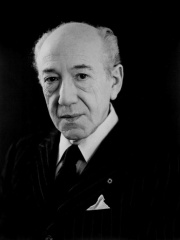
David Diamond
1915 - 2005
HPI: 55.20
Rank: 1,231
Tadeusz Baird
1928 - 1981
HPI: 55.20
Rank: 1,232
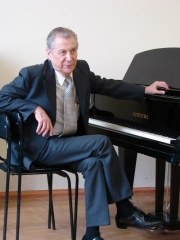
Andrei Eshpai
1925 - 2015
HPI: 55.16
Rank: 1,233
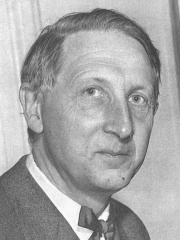
Knudåge Riisager
1897 - 1974
HPI: 55.13
Rank: 1,234
Oskar Kolberg
1814 - 1890
HPI: 55.11
Rank: 1,235

Michel Colombier
1939 - 2004
HPI: 55.11
Rank: 1,236
Craig Armstrong
1959 - Present
HPI: 55.06
Rank: 1,237
Sanja Ilić
1951 - 2021
HPI: 55.05
Rank: 1,238
Tofig Guliyev
1917 - 2000
HPI: 55.05
Rank: 1,239
Granville Bantock
1868 - 1946
HPI: 55.04
Rank: 1,240
Alfrēds Kalniņš
1879 - 1951
HPI: 55.02
Rank: 1,241

Boris Tishchenko
1939 - 2010
HPI: 55.02
Rank: 1,242

Cecilia Seghizzi
1908 - 2019
HPI: 55.01
Rank: 1,243

Contemporaries
Among people born in 1959, Craig Armstrong ranks 307. Before him are Dylan Baker, Roland Grapow, Thomas Allofs, Timoleón Jiménez, Jeanette Winterson, and Rineke Dijkstra. After him are Murat Ülker, Tsitsi Dangarembga, Anne Smith, Waleed Al-Jasem, Fyodor Cherenkov, and Hiroshi Soejima.
Others Born in 1959
Go to all Rankings
Dylan Baker
ACTOR
1959 - Present
HPI: 55.30
Rank: 301
Roland Grapow
MUSICIAN
1959 - Present
HPI: 55.16
Rank: 302

Thomas Allofs
SOCCER PLAYER
1959 - Present
HPI: 55.16
Rank: 303
Timoleón Jiménez
POLITICIAN
1959 - Present
HPI: 55.14
Rank: 304
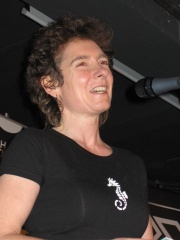
Jeanette Winterson
WRITER
1959 - Present
HPI: 55.11
Rank: 305
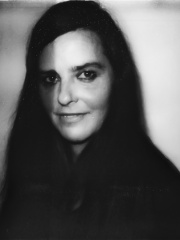
Rineke Dijkstra
PHOTOGRAPHER
1959 - Present
HPI: 55.07
Rank: 306
Craig Armstrong
COMPOSER
1959 - Present
HPI: 55.06
Rank: 307
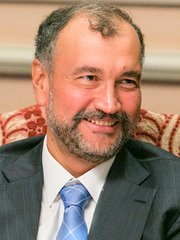
Murat Ülker
BUSINESSPERSON
1959 - Present
HPI: 55.04
Rank: 308
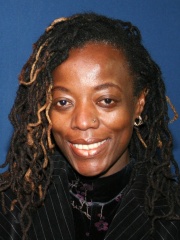
Tsitsi Dangarembga
WRITER
1959 - Present
HPI: 55.02
Rank: 309
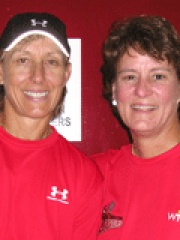
Anne Smith
TENNIS PLAYER
1959 - Present
HPI: 55.00
Rank: 310

Waleed Al-Jasem
SOCCER PLAYER
1959 - 2025
HPI: 54.95
Rank: 311
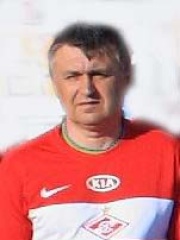
Fyodor Cherenkov
SOCCER PLAYER
1959 - 2014
HPI: 54.92
Rank: 312

Hiroshi Soejima
SOCCER PLAYER
1959 - Present
HPI: 54.91
Rank: 313
In Regno Unito
Among people born in Regno Unito, Craig Armstrong ranks 4,185 out of NaN. Before him are Julian Bailey (1961), David Lloyd (1950), Sid Kimpton (1887), Julian Richings (1955), Robert Wight (1796), and G. Evelyn Hutchinson (1903). After him are Wilko Johnson (1947), Muriel Freeman (1897), Marmaduke Pickthall (1875), A. E. Housman (1859), Joseph Grimaldi (1778), and Roy Wood (1946).
Others born in Regno Unito
Go to all Rankings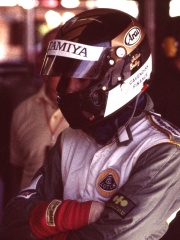
Julian Bailey
RACING DRIVER
1961 - Present
HPI: 55.08
Rank: 4,179
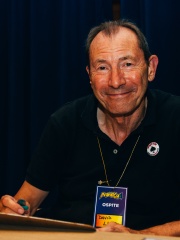
David Lloyd
COMIC ARTIST
1950 - Present
HPI: 55.08
Rank: 4,180
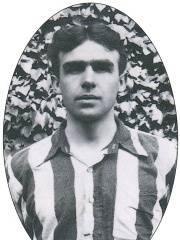
Sid Kimpton
SOCCER PLAYER
1887 - 1968
HPI: 55.08
Rank: 4,181
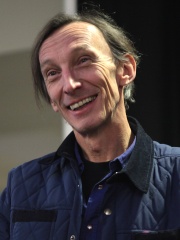
Julian Richings
ACTOR
1955 - Present
HPI: 55.07
Rank: 4,182
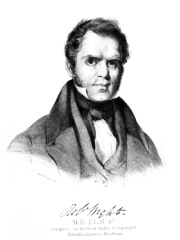
Robert Wight
BIOLOGIST
1796 - 1872
HPI: 55.07
Rank: 4,183
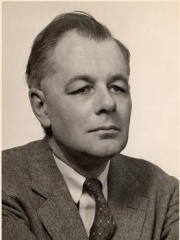
G. Evelyn Hutchinson
BIOLOGIST
1903 - 1991
HPI: 55.07
Rank: 4,184
Craig Armstrong
COMPOSER
1959 - Present
HPI: 55.06
Rank: 4,185
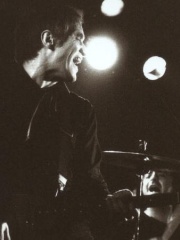
Wilko Johnson
MUSICIAN
1947 - 2022
HPI: 55.06
Rank: 4,186
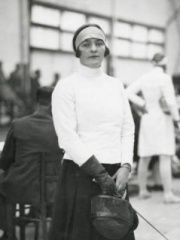
Muriel Freeman
ATHLETE
1897 - 1980
HPI: 55.06
Rank: 4,187
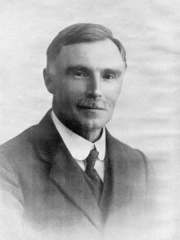
Marmaduke Pickthall
WRITER
1875 - 1936
HPI: 55.06
Rank: 4,188
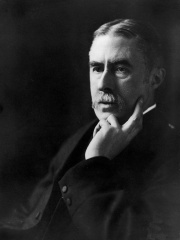
A. E. Housman
WRITER
1859 - 1936
HPI: 55.05
Rank: 4,189
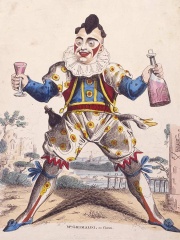
Joseph Grimaldi
ACTOR
1778 - 1837
HPI: 55.05
Rank: 4,190
Roy Wood
MUSICIAN
1946 - Present
HPI: 55.05
Rank: 4,191
Among Compositores In Regno Unito
Among compositores born in Regno Unito, Craig Armstrong ranks 66. Before him are Clint Mansell (1963), Thomas Weelkes (1576), Charles Avison (1709), Fred Frith (1949), Thomas Linley the younger (1756), and Adolph Deutsch (1897). After him are Granville Bantock (1868), Thomas Campion (1567), Ivor Novello (1893), George Alexander Macfarren (1813), Rachel Portman (1960), and Gerald Finzi (1901).
Clint Mansell
1963 - Present
HPI: 55.96
Rank: 60

Thomas Weelkes
1576 - 1623
HPI: 55.84
Rank: 61
Charles Avison
1709 - 1770
HPI: 55.78
Rank: 62
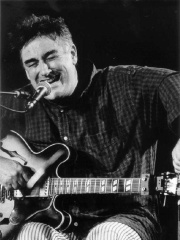
Fred Frith
1949 - Present
HPI: 55.67
Rank: 63
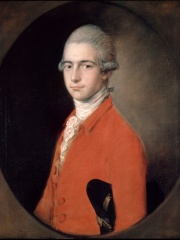
Thomas Linley the younger
1756 - 1778
HPI: 55.57
Rank: 64

Adolph Deutsch
1897 - 1980
HPI: 55.28
Rank: 65
Craig Armstrong
1959 - Present
HPI: 55.06
Rank: 66
Granville Bantock
1868 - 1946
HPI: 55.04
Rank: 67

Thomas Campion
1567 - 1620
HPI: 54.97
Rank: 68
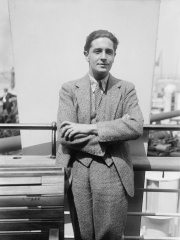
Ivor Novello
1893 - 1951
HPI: 54.85
Rank: 69
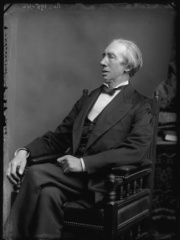
George Alexander Macfarren
1813 - 1887
HPI: 54.58
Rank: 70

Rachel Portman
1960 - Present
HPI: 54.46
Rank: 71

Gerald Finzi
1901 - 1956
HPI: 54.22
Rank: 72




