Figura religiosa
Chromatius
335 - 407
VISUALIZZAZIONI SU IT.WIKIPEDIA (PV)
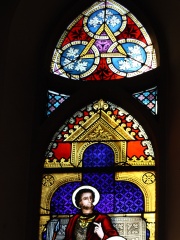
 Chromatius
La sua biografia è disponibile in 20 lingue su Wikipedia (in aumento rispetto a 19 nel 2024). Chromatius è il 1942° figura religiosa più popolare (in calo dal 1871° nel 2024), la 2545ª biografia più popolare dell'Italia (in aumento dal 2672ª nel 2019) e il 447° figura religiosa più popolare dell'Italia.
Metriche di memorabilità
9.5k
Visualizzazioni
Ultimi 12 mesi
61.10
HPI
Indice di popolarità storica
Visualizzazioni della pagina di Chromatius per lingua
Tra Figura religiosa
Tra Figura religiosa, Chromatius occupa la posizione 1,942 su 3,187. Prima di lui ci sono Jean du Vergier de Hauranne, Constantine, Laurean Rugambwa, James Michael Harvey, Franjo Kuharić, e Pinedjem II. Dopo di lui ci sono Érard de la Marck, Carlo Caffarra, Count Palatine Francis Louis of Neuburg, Tlacaelel, Moses Isserles, e Alessandro Albani.
Figura religiosa più popolari su Wikipedia
Vai a tutte le classifiche
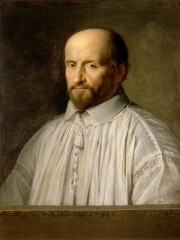
Jean du Vergier de Hauranne
1581 - 1643
HPI: 61.13
Posizione: 1,936

Constantine
411 - 443
HPI: 61.13
Posizione: 1,937

Laurean Rugambwa
1912 - 1997
HPI: 61.12
Posizione: 1,938
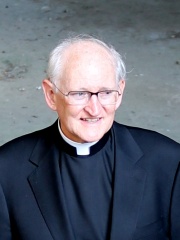
James Michael Harvey
1949 - presente
HPI: 61.11
Posizione: 1,939
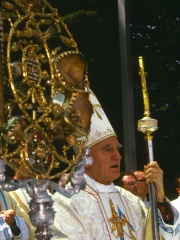
Franjo Kuharić
1919 - 2002
HPI: 61.11
Posizione: 1,940
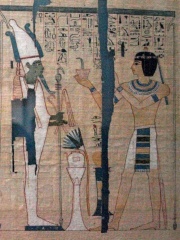
Pinedjem II
1100 BC - 969 BC
HPI: 61.11
Posizione: 1,941
Chromatius
335 - 407
HPI: 61.10
Posizione: 1,942
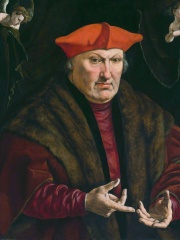
Érard de la Marck
1472 - 1538
HPI: 61.10
Posizione: 1,943
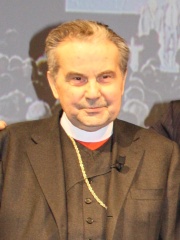
Carlo Caffarra
1938 - 2017
HPI: 61.09
Posizione: 1,944
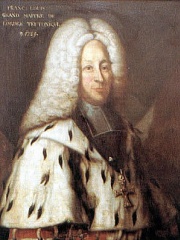
Count Palatine Francis Louis of Neuburg
1664 - 1732
HPI: 61.07
Posizione: 1,945
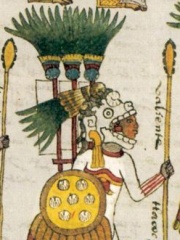
Tlacaelel
1397 - 1487
HPI: 61.07
Posizione: 1,946
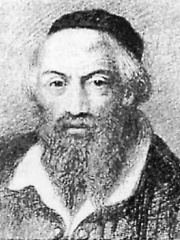
Moses Isserles
1520 - 1572
HPI: 61.07
Posizione: 1,947
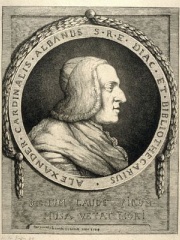
Alessandro Albani
1692 - 1779
HPI: 61.07
Posizione: 1,948

Contemporanei
Tra le persone nate nel 335, Chromatius occupa la posizione 8. Prima di lui ci sono Magnus Maximus, Theon of Alexandria, Samudragupta, Nicetas of Remesiana, Rufinus, e Eunomius of Cyzicus. Tra le persone decedute nel 407, Chromatius occupa la posizione 4. Prima di lui ci sono John Chrysostom, Moses the Black, e Gjúki. Dopo di lui ci sono Maria, Gratian, e Marcus.
Altre persone nate nel 335
Vai a tutte le classifiche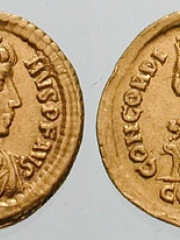
Magnus Maximus
POLITICIAN
335 - 388
HPI: 74.65
Posizione: 2

Theon of Alexandria
MATHEMATICIAN
335 - 405
HPI: 70.00
Posizione: 3
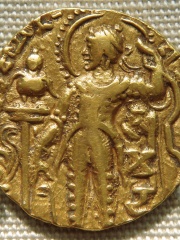
Samudragupta
POLITICIAN
335 - 380
HPI: 69.46
Posizione: 4
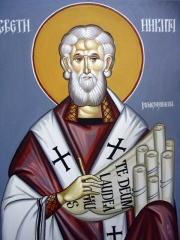
Nicetas of Remesiana
RELIGIOUS FIGURE
335 - 414
HPI: 64.84
Posizione: 5

Rufinus
POLITICIAN
335 - 395
HPI: 63.38
Posizione: 6

Eunomius of Cyzicus
RELIGIOUS FIGURE
335 - 394
HPI: 63.01
Posizione: 7
Chromatius
RELIGIOUS FIGURE
335 - 407
HPI: 61.10
Posizione: 8
Altre persone decedute nel 407
Vai a tutte le classifiche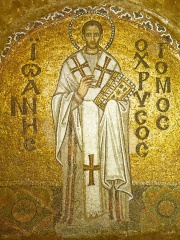
John Chrysostom
RELIGIOUS FIGURE
349 - 407
HPI: 81.25
Posizione: 1
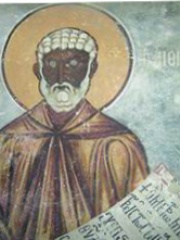
Moses the Black
RELIGIOUS FIGURE
332 - 407
HPI: 73.05
Posizione: 2

Gjúki
POLITICIAN
400 - 407
HPI: 62.87
Posizione: 3
Chromatius
RELIGIOUS FIGURE
335 - 407
HPI: 61.10
Posizione: 4
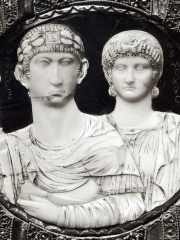
Maria
POLITICIAN
385 - 407
HPI: 59.18
Posizione: 5

Gratian
POLITICIAN
360 - 407
HPI: 59.07
Posizione: 6

Marcus
POLITICIAN
400 - 407
HPI: 58.63
Posizione: 7
In Italia
Tra le persone nate in Italia, Chromatius occupa la posizione 2,545 su NaN. Prima di lui ci sono Dorando Pietri (1885), Maria Caterina Farnese (1615), Leopold, Prince of Salerno (1790), Campanus of Novara (1210), Luigi Carlo Farini (1812), e Margaret of Sicily (1237). Dopo di lui ci sono Ugo Locatelli (1916), Carlo Caffarra (1938), Adriano Panatta (1950), Bartolomeo Tromboncino (1470), Sergio Bertoni (1915), e Taddea Visconti (1351).
Altre persone nate in Italia
Vai a tutte le classifiche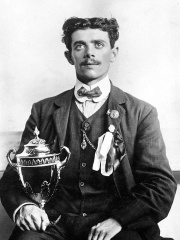
Dorando Pietri
ATHLETE
1885 - 1942
HPI: 61.15
Posizione: 2,539
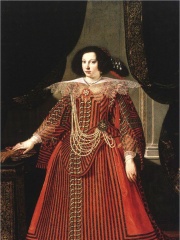
Maria Caterina Farnese
POLITICIAN
1615 - 1646
HPI: 61.14
Posizione: 2,540
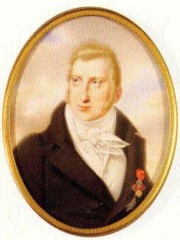
Leopold, Prince of Salerno
POLITICIAN
1790 - 1851
HPI: 61.14
Posizione: 2,541
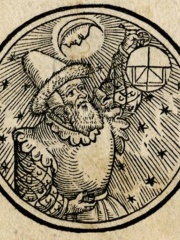
Campanus of Novara
MATHEMATICIAN
1210 - 1296
HPI: 61.13
Posizione: 2,542
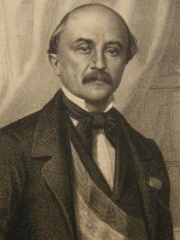
Luigi Carlo Farini
PHYSICIAN
1812 - 1866
HPI: 61.11
Posizione: 2,543
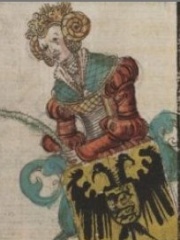
Margaret of Sicily
NOBLEMAN
1237 - 1270
HPI: 61.11
Posizione: 2,544
Chromatius
RELIGIOUS FIGURE
335 - 407
HPI: 61.10
Posizione: 2,545
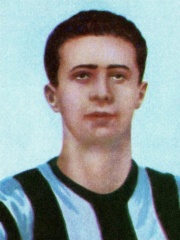
Ugo Locatelli
SOCCER PLAYER
1916 - 1993
HPI: 61.09
Posizione: 2,546
Carlo Caffarra
RELIGIOUS FIGURE
1938 - 2017
HPI: 61.09
Posizione: 2,547

Adriano Panatta
TENNIS PLAYER
1950 - presente
HPI: 61.08
Posizione: 2,548
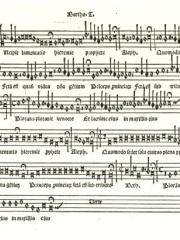
Bartolomeo Tromboncino
COMPOSER
1470 - 1535
HPI: 61.07
Posizione: 2,549
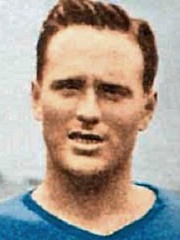
Sergio Bertoni
COACH
1915 - 1995
HPI: 61.07
Posizione: 2,550
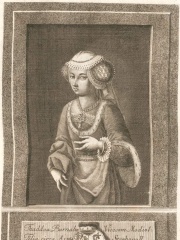
Taddea Visconti
NOBLEMAN
1351 - 1381
HPI: 61.07
Posizione: 2,551
Tra Figura religiosa in Italia
Tra Figura religiosa nati in Italia, Chromatius occupa la posizione 447. Prima di lui ci sono Giovanni Battista Scalabrini (1839), John Gualbert (995), Antonio Bacci (1885), Dagobert of Pisa (1100), Crescenzio Sepe (1943), e Sergio Sebastiani (1931). Dopo di lui ci sono Carlo Caffarra (1938), Alessandro Albani (1692), Lawrence Justinian (1381), Corrado Bafile (1903), Virgilio Noè (1922), e John Leonardi (1541).
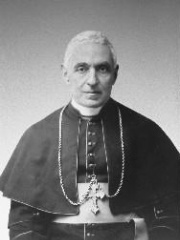
Giovanni Battista Scalabrini
1839 - 1905
HPI: 61.31
Posizione: 441
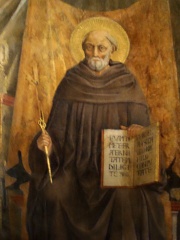
John Gualbert
995 - 1073
HPI: 61.30
Posizione: 442

Antonio Bacci
1885 - 1971
HPI: 61.24
Posizione: 443
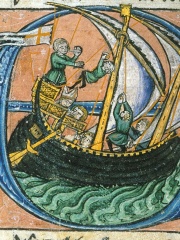
Dagobert of Pisa
1100 - 1107
HPI: 61.22
Posizione: 444
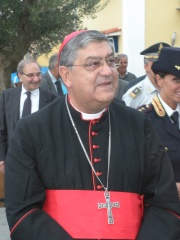
Crescenzio Sepe
1943 - presente
HPI: 61.22
Posizione: 445
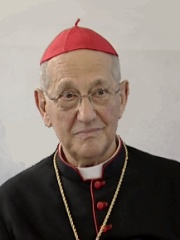
Sergio Sebastiani
1931 - 2024
HPI: 61.18
Posizione: 446
Chromatius
335 - 407
HPI: 61.10
Posizione: 447
Carlo Caffarra
1938 - 2017
HPI: 61.09
Posizione: 448
Alessandro Albani
1692 - 1779
HPI: 61.07
Posizione: 449
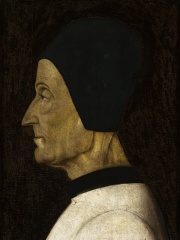
Lawrence Justinian
1381 - 1456
HPI: 61.00
Posizione: 450
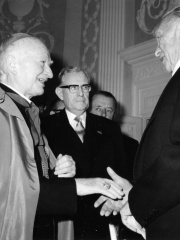
Corrado Bafile
1903 - 2005
HPI: 60.93
Posizione: 451
Virgilio Noè
1922 - 2011
HPI: 60.88
Posizione: 452
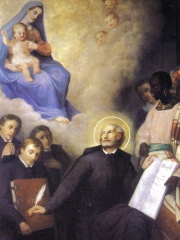
John Leonardi
1541 - 1609
HPI: 60.86
Posizione: 453




