Politico
Aripert I
625 - 661
VISUALIZZAZIONI SU IT.WIKIPEDIA (PV)
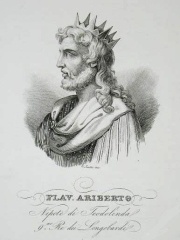
 Aripert I
La sua biografia è disponibile in 28 lingue su Wikipedia. Aripert I è il 9485° politico più popolare (in calo dal 7406° nel 2024), la 2373ª biografia più popolare dell'Italia (in calo dal 1964ª nel 2019) e il 607° politico più popolare dell'Italia.
Metriche di memorabilità
14k
Visualizzazioni
Ultimi 12 mesi
61.80
HPI
Indice di popolarità storica
Visualizzazioni della pagina di Aripert I per lingua
Tra Politico
Tra Politico, Aripert I occupa la posizione 9,480 su 19,576. Prima di lui ci sono Kirill Razumovski, Odoardo Farnese, Isetnofret II, Berthold V, Duke of Zähringen, Nepherites I, e Princess Marie of Saxe-Altenburg. Dopo di lui ci sono Prince Charles of Hesse and by Rhine, Barry Goldwater, Selim I Giray, John I, Count of Holland, Chea Sim, e Conon de Béthune.
Politico più popolari su Wikipedia
Vai a tutte le classifiche
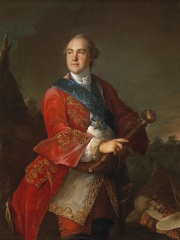
Kirill Razumovski
1728 - 1803
HPI: 61.81
Posizione: 9,479
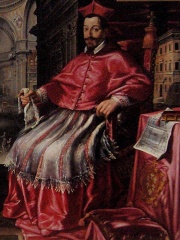
Odoardo Farnese
1573 - 1626
HPI: 61.81
Posizione: 9,480

Isetnofret II
1250 BC - presente
HPI: 61.81
Posizione: 9,481
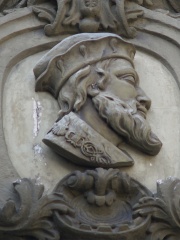
Berthold V, Duke of Zähringen
1160 - 1218
HPI: 61.80
Posizione: 9,482
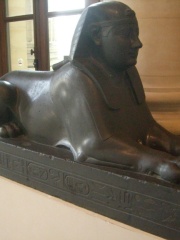
Nepherites I
490 BC - 393 BC
HPI: 61.80
Posizione: 9,483
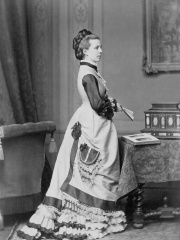
Princess Marie of Saxe-Altenburg
1854 - 1898
HPI: 61.80
Posizione: 9,484
Aripert I
625 - 661
HPI: 61.80
Posizione: 9,485
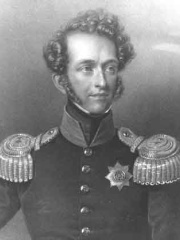
Prince Charles of Hesse and by Rhine
1809 - 1877
HPI: 61.80
Posizione: 9,486
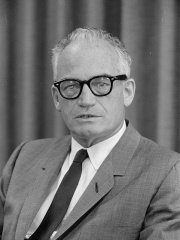
Barry Goldwater
1909 - 1998
HPI: 61.80
Posizione: 9,487

Selim I Giray
1631 - 1704
HPI: 61.80
Posizione: 9,488
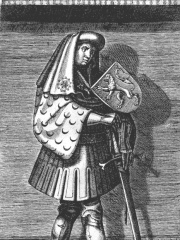
John I, Count of Holland
1284 - 1299
HPI: 61.80
Posizione: 9,489

Chea Sim
1932 - 2015
HPI: 61.80
Posizione: 9,490

Conon de Béthune
1150 - 1219
HPI: 61.79
Posizione: 9,491

Contemporanei
Tra le persone nate nel 625, Aripert I occupa la posizione 2. Prima di lui c'è Paul of Aegina. Dopo di lui c'è Theodo of Bavaria. Tra le persone decedute nel 661, Aripert I occupa la posizione 6. Prima di lui ci sono Ali, Hafsa bint Umar, Muyeol of Silla, Empress Kōgyoku, e Abd al-Rahman ibn Muljam. Dopo di lui c'è Labīd.
Altre persone nate nel 625
Vai a tutte le classifiche
Paul of Aegina
PHYSICIAN
625 - 690
HPI: 65.28
Posizione: 1
Aripert I
POLITICIAN
625 - 661
HPI: 61.80
Posizione: 2
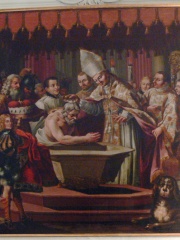
Theodo of Bavaria
POLITICIAN
625 - 716
HPI: 56.86
Posizione: 3
Altre persone decedute nel 661
Vai a tutte le classifiche
Ali
RELIGIOUS FIGURE
601 - 661
HPI: 89.31
Posizione: 1

Hafsa bint Umar
COMPANION
602 - 661
HPI: 77.69
Posizione: 2

Muyeol of Silla
POLITICIAN
604 - 661
HPI: 68.35
Posizione: 3

Empress Kōgyoku
POLITICIAN
594 - 661
HPI: 68.23
Posizione: 4

Abd al-Rahman ibn Muljam
RELIGIOUS FIGURE
HPI: 66.03
Posizione: 5
Aripert I
POLITICIAN
625 - 661
HPI: 61.80
Posizione: 6

Labīd
WRITER
560 - 661
HPI: 58.11
Posizione: 7
In Italia
Tra le persone nate in Italia, Aripert I occupa la posizione 2,373 su NaN. Prima di lui ci sono Viktor Dankl von Krasnik (1854), Maria Fortunata d'Este (1731), Odoardo Farnese (1573), Marcia Furnilla (1), Giovanni Morone (1509), e Luigi Alamanni (1495). Dopo di lui ci sono Princess Maria Antonia of the Two Sicilies (1814), John Paul Getty Jr. (1932), Susanna Agnelli (1922), Ildebrando Pizzetti (1880), Giancarlo Fisichella (1973), e Jacob Hutter (1500).
Altre persone nate in Italia
Vai a tutte le classifiche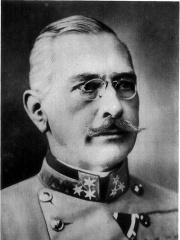
Viktor Dankl von Krasnik
MILITARY PERSONNEL
1854 - 1941
HPI: 61.82
Posizione: 2,367
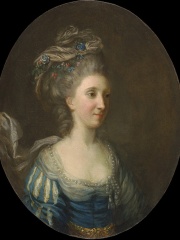
Maria Fortunata d'Este
NOBLEMAN
1731 - 1803
HPI: 61.81
Posizione: 2,368
Odoardo Farnese
POLITICIAN
1573 - 1626
HPI: 61.81
Posizione: 2,369
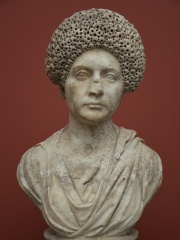
Marcia Furnilla
NOBLEMAN
1 - presente
HPI: 61.80
Posizione: 2,370
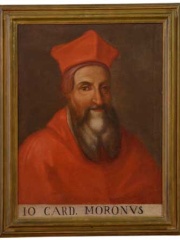
Giovanni Morone
RELIGIOUS FIGURE
1509 - 1580
HPI: 61.80
Posizione: 2,371
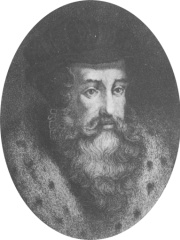
Luigi Alamanni
WRITER
1495 - 1556
HPI: 61.80
Posizione: 2,372
Aripert I
POLITICIAN
625 - 661
HPI: 61.80
Posizione: 2,373
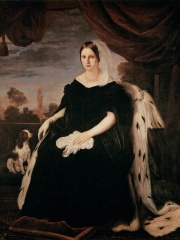
Princess Maria Antonia of the Two Sicilies
POLITICIAN
1814 - 1898
HPI: 61.79
Posizione: 2,374
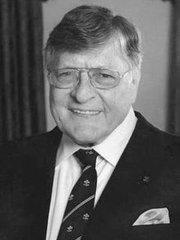
John Paul Getty Jr.
BUSINESSPERSON
1932 - 2003
HPI: 61.79
Posizione: 2,375
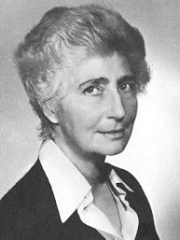
Susanna Agnelli
POLITICIAN
1922 - 2009
HPI: 61.79
Posizione: 2,376
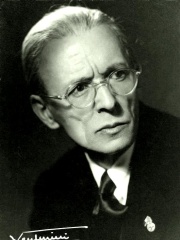
Ildebrando Pizzetti
COMPOSER
1880 - 1968
HPI: 61.79
Posizione: 2,377

Giancarlo Fisichella
RACING DRIVER
1973 - presente
HPI: 61.78
Posizione: 2,378

Jacob Hutter
POLITICIAN
1500 - 1536
HPI: 61.78
Posizione: 2,379
Tra Politico in Italia
Tra Politico nati in Italia, Aripert I occupa la posizione 607. Prima di lui ci sono Giovanni Morelli (1816), Azzone Visconti (1302), Archduke Ferdinand Karl Viktor of Austria-Este (1821), Sebastiano Ziani (1102), Giovanni Dandolo (1300), e Odoardo Farnese (1573). Dopo di lui ci sono Princess Maria Antonia of the Two Sicilies (1814), Susanna Agnelli (1922), Jacob Hutter (1500), Adelaide of Susa (1020), Luigi Luzzatti (1841), e Giovanni Goria (1943).
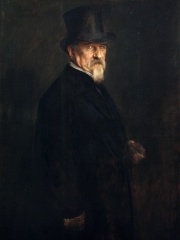
Giovanni Morelli
1816 - 1891
HPI: 61.89
Posizione: 601
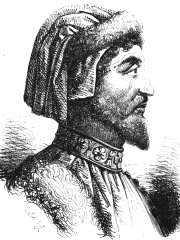
Azzone Visconti
1302 - 1339
HPI: 61.88
Posizione: 602
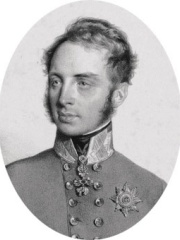
Archduke Ferdinand Karl Viktor of Austria-Este
1821 - 1849
HPI: 61.86
Posizione: 603
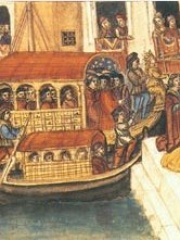
Sebastiano Ziani
1102 - 1178
HPI: 61.84
Posizione: 604

Giovanni Dandolo
1300 - 1289
HPI: 61.82
Posizione: 605
Odoardo Farnese
1573 - 1626
HPI: 61.81
Posizione: 606
Aripert I
625 - 661
HPI: 61.80
Posizione: 607
Princess Maria Antonia of the Two Sicilies
1814 - 1898
HPI: 61.79
Posizione: 608
Susanna Agnelli
1922 - 2009
HPI: 61.79
Posizione: 609
Jacob Hutter
1500 - 1536
HPI: 61.78
Posizione: 610
Adelaide of Susa
1020 - 1091
HPI: 61.78
Posizione: 611
Luigi Luzzatti
1841 - 1927
HPI: 61.76
Posizione: 612

Giovanni Goria
1943 - 1994
HPI: 61.73
Posizione: 613




