Politico
Aleida March
1936 - presente
VISUALIZZAZIONI SU IT.WIKIPEDIA (PV)
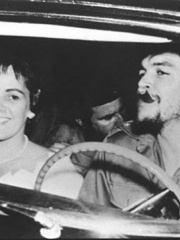
 Aleida March
La sua biografia è disponibile in 19 lingue su Wikipedia. Aleida March è la 6747ª politico più popolare (in calo dal 5884ª nel 2024), la 27ª biografia più popolare della Cuba (in aumento dal 28ª nel 2019) e la 12ª politico più popolare della Cuba.
Metriche di memorabilità
280k
Visualizzazioni
Ultimi 12 mesi
64.45
HPI
Indice di popolarità storica
Visualizzazioni della pagina di Aleida March per lingua
Tra Politico
Tra Politico, Aleida March occupa la posizione 6,745 su 19,576. Prima di lei ci sono Antoine Barnave, Zubaidah bint Ja`far, Princess Henriette of Belgium, Sicco Mansholt, Karl Nesselrode, e Go of Balhae. Dopo di lei ci sono Manuel Gomes da Costa, Zillur Rahman, Emperor Ichijō, Eleanor of Aragon, Queen of Castile, Publius Servilius Vatia Isauricus, e Nayef Hawatmeh.
Politico più popolari su Wikipedia
Vai a tutte le classifiche
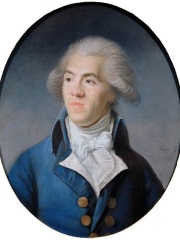
Antoine Barnave
1761 - 1793
HPI: 64.45
Posizione: 6,741

Zubaidah bint Ja`far
766 - 831
HPI: 64.45
Posizione: 6,742
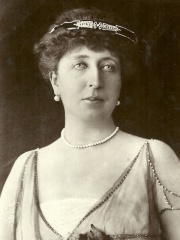
Princess Henriette of Belgium
1870 - 1948
HPI: 64.45
Posizione: 6,743
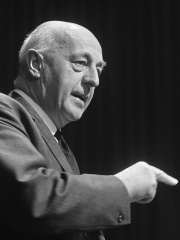
Sicco Mansholt
1908 - 1995
HPI: 64.45
Posizione: 6,744
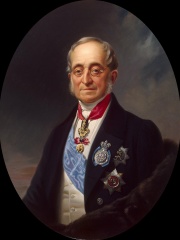
Karl Nesselrode
1780 - 1862
HPI: 64.45
Posizione: 6,745
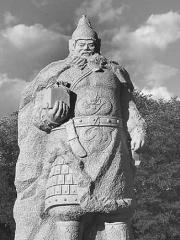
Go of Balhae
601 - 719
HPI: 64.45
Posizione: 6,746
Aleida March
1936 - presente
HPI: 64.45
Posizione: 6,747
Manuel Gomes da Costa
1863 - 1929
HPI: 64.44
Posizione: 6,748
Zillur Rahman
1929 - 2013
HPI: 64.44
Posizione: 6,749
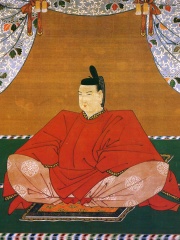
Emperor Ichijō
980 - 1011
HPI: 64.44
Posizione: 6,750
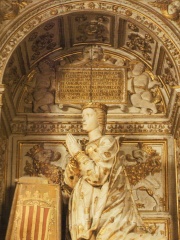
Eleanor of Aragon, Queen of Castile
1358 - 1382
HPI: 64.44
Posizione: 6,751

Publius Servilius Vatia Isauricus
94 BC - 100 BC
HPI: 64.44
Posizione: 6,752
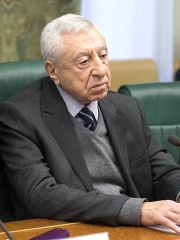
Nayef Hawatmeh
1938 - presente
HPI: 64.44
Posizione: 6,753

Contemporanei
Tra le persone nate nel 1936, Aleida March occupa la posizione 126. Prima di lei ci sono Claude Brasseur, A. B. Yehoshua, Don DeLillo, Trần Đức Lương, Canaan Banana, e Dean Stockwell. Dopo di lei ci sono Charles Dutoit, Jannis Kounellis, Han Seung-soo, Ivan Stambolić, Wolf Biermann, e Floyd Westerman.
Altre persone nate nel 1936
Vai a tutte le classifiche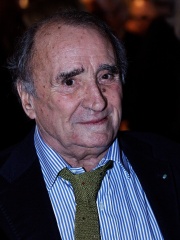
Claude Brasseur
ACTOR
1936 - 2020
HPI: 64.79
Posizione: 120

A. B. Yehoshua
WRITER
1936 - 2022
HPI: 64.76
Posizione: 121
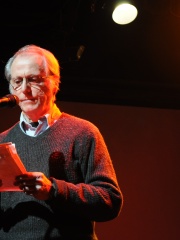
Don DeLillo
WRITER
1936 - presente
HPI: 64.76
Posizione: 122
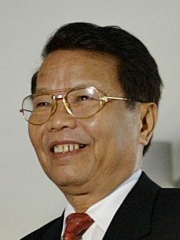
Trần Đức Lương
POLITICIAN
1936 - 2025
HPI: 64.75
Posizione: 123
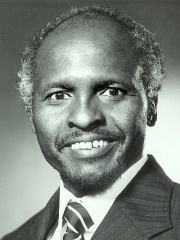
Canaan Banana
POLITICIAN
1936 - 2003
HPI: 64.59
Posizione: 124
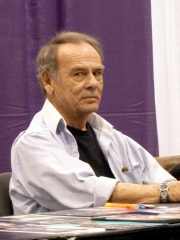
Dean Stockwell
ACTOR
1936 - 2021
HPI: 64.53
Posizione: 125
Aleida March
POLITICIAN
1936 - presente
HPI: 64.45
Posizione: 126
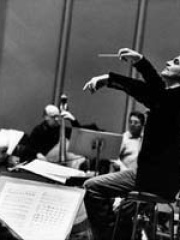
Charles Dutoit
CONDUCTOR
1936 - presente
HPI: 64.44
Posizione: 127
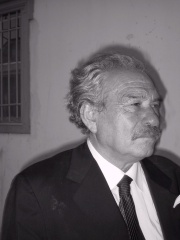
Jannis Kounellis
PAINTER
1936 - 2017
HPI: 64.32
Posizione: 128
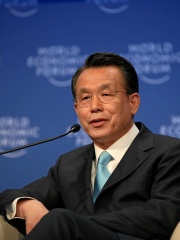
Han Seung-soo
POLITICIAN
1936 - presente
HPI: 64.22
Posizione: 129
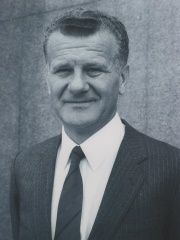
Ivan Stambolić
POLITICIAN
1936 - 2000
HPI: 64.21
Posizione: 130
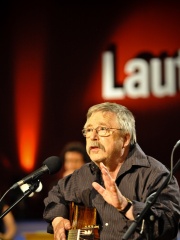
Wolf Biermann
SINGER
1936 - presente
HPI: 64.20
Posizione: 131
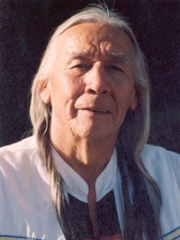
Floyd Westerman
MUSICIAN
1936 - 2007
HPI: 64.05
Posizione: 132
In Cuba
Tra le persone nate in Cuba, Aleida March occupa la posizione 27 su NaN. Prima di lei ci sono Teófilo Stevenson (1952), Rita Marley (1946), Javier Sotomayor (1967), Gerardo Machado (1871), Carlos Manuel de Céspedes (1819), e Vilma Espín (1930). Dopo di lei ci sono Tomás Estrada Palma (1835), Ramón Grau (1881), Manuel Marrero Cruz (1963), Wifredo Lam (1902), Sergio Oliva (1941), e Mel Martínez (1946).
Altre persone nate in Cuba
Vai a tutte le classifiche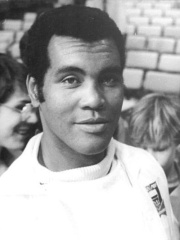
Teófilo Stevenson
BOXER
1952 - 2012
HPI: 66.63
Posizione: 21
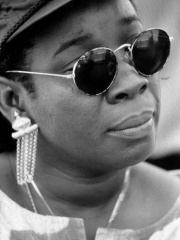
Rita Marley
SINGER
1946 - presente
HPI: 65.58
Posizione: 22
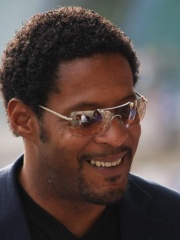
Javier Sotomayor
ATHLETE
1967 - presente
HPI: 65.42
Posizione: 23
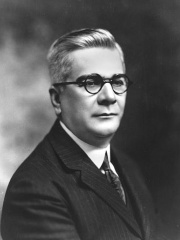
Gerardo Machado
POLITICIAN
1871 - 1939
HPI: 64.97
Posizione: 24
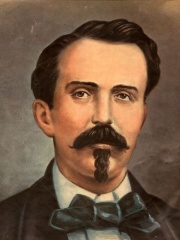
Carlos Manuel de Céspedes
POLITICIAN
1819 - 1874
HPI: 64.94
Posizione: 25
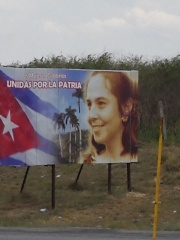
Vilma Espín
POLITICIAN
1930 - 2007
HPI: 64.92
Posizione: 26
Aleida March
POLITICIAN
1936 - presente
HPI: 64.45
Posizione: 27
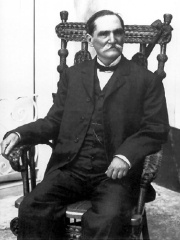
Tomás Estrada Palma
POLITICIAN
1835 - 1908
HPI: 64.39
Posizione: 28
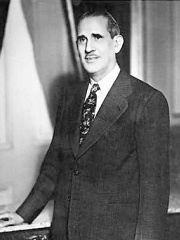
Ramón Grau
POLITICIAN
1881 - 1969
HPI: 64.27
Posizione: 29
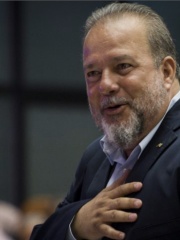
Manuel Marrero Cruz
POLITICIAN
1963 - presente
HPI: 64.17
Posizione: 30
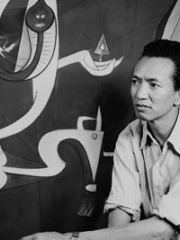
Wifredo Lam
PAINTER
1902 - 1982
HPI: 64.13
Posizione: 31
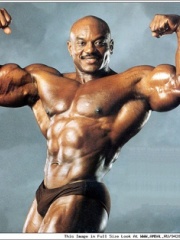
Sergio Oliva
POLITICIAN
1941 - 2012
HPI: 63.98
Posizione: 32
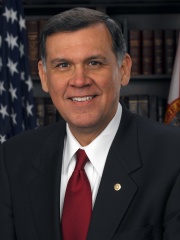
Mel Martínez
POLITICIAN
1946 - presente
HPI: 63.72
Posizione: 33
Tra Politico in Cuba
Tra Politico nati in Cuba, Aleida March occupa la posizione 12. Prima di lei ci sono Maria Teresa, Grand Duchess of Luxembourg (1956), Osvaldo Dorticós Torrado (1919), Juan Almeida Bosque (1927), Gerardo Machado (1871), Carlos Manuel de Céspedes (1819), e Vilma Espín (1930). Dopo di lei ci sono Tomás Estrada Palma (1835), Ramón Grau (1881), Manuel Marrero Cruz (1963), Sergio Oliva (1941), Mel Martínez (1946), e Manuel Urrutia Lleó (1901).
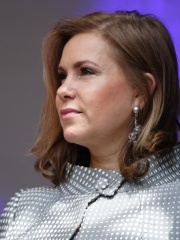
Maria Teresa, Grand Duchess of Luxembourg
1956 - presente
HPI: 68.09
Posizione: 6
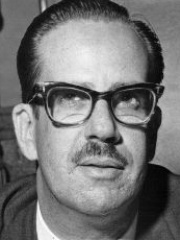
Osvaldo Dorticós Torrado
1919 - 1983
HPI: 67.01
Posizione: 7
Juan Almeida Bosque
1927 - 2009
HPI: 67.00
Posizione: 8
Gerardo Machado
1871 - 1939
HPI: 64.97
Posizione: 9
Carlos Manuel de Céspedes
1819 - 1874
HPI: 64.94
Posizione: 10
Vilma Espín
1930 - 2007
HPI: 64.92
Posizione: 11
Aleida March
1936 - presente
HPI: 64.45
Posizione: 12
Tomás Estrada Palma
1835 - 1908
HPI: 64.39
Posizione: 13
Ramón Grau
1881 - 1969
HPI: 64.27
Posizione: 14
Manuel Marrero Cruz
1963 - presente
HPI: 64.17
Posizione: 15
Sergio Oliva
1941 - 2012
HPI: 63.98
Posizione: 16
Mel Martínez
1946 - presente
HPI: 63.72
Posizione: 17
Manuel Urrutia Lleó
1901 - 1981
HPI: 62.23
Posizione: 18




