Vallási személyiség
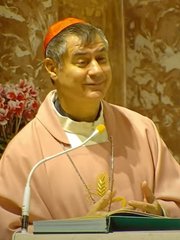
Luigi Ferrando
1941 - napjainkig

 Luigi Ferrando
Életrajza 16 különböző nyelven érhető el a Wikipédián. Luigi Ferrando a 2,999th legnépszerűbb vallási személyiség (csökkenés a 2,909th-ről 2024-ben), a 4,072nd legnépszerűbb életrajz Olaszország országából (csökkenés a 4,039th-ről 2019-ben) és a 558th legnépszerűbb Olaszországból vallási személyiség.
Ismertségi mutatók
1.4k
Oldalmegtekintések
Elmúlt 12 hónap
53.43
HPI
Történelmi népszerűségi index
Adatérdekességek
441
A Pantheonban szereplő 3,187 Vallási személyiség között mindössze 441 nő van — Luigi Ferrando egyikük.
jan. 22.
Luigi Ferrando ugyanazon a napon (január 22.) ünnepli születésnapját, mint Francis Bacon, Lord Byron és Antonio Gramsci.
Luigi Ferrando oldalmegtekintései nyelvenként
A(z) Vallási személyiség között
A(z) Vallási személyiség között Luigi Ferrando a(z) 2,999. helyen áll 3,187 közül. Előtte állnak: Arnulf of Chocques, Solomon Schechter, Bernardino Echeverría Ruiz, Sergio Obeso Rivera, Herman II, és Richard Baawobr. Utána következnek: Epenetus of Carthage, Charles Scicluna, John Ogilvie, Crescens, Valerian Gracias, és Mohan Bhagwat.
A legnépszerűbb Vallási személyiség a Wikipédián
Összes rangsor megtekintése

Arnulf of Chocques
HPI: 53.54
Helyezés: 2,993
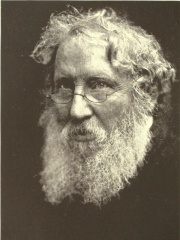
Solomon Schechter
1847 - 1915
HPI: 53.53
Helyezés: 2,994
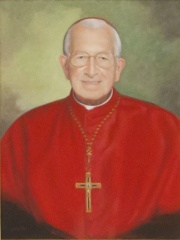
Bernardino Echeverría Ruiz
1912 - 2000
HPI: 53.52
Helyezés: 2,995
Sergio Obeso Rivera
1931 - 2019
HPI: 53.50
Helyezés: 2,996
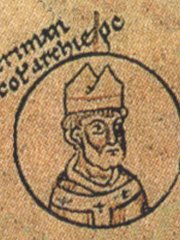
Herman II
995 - 1056
HPI: 53.47
Helyezés: 2,997
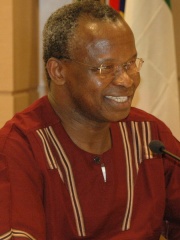
Richard Baawobr
1959 - 2022
HPI: 53.44
Helyezés: 2,998
Luigi Ferrando
1941 - napjainkig
HPI: 53.43
Helyezés: 2,999
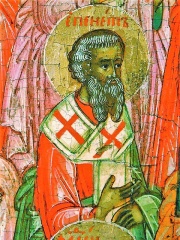
Epenetus of Carthage
1 - 64
HPI: 53.42
Helyezés: 3,000

Charles Scicluna
1959 - napjainkig
HPI: 53.40
Helyezés: 3,001
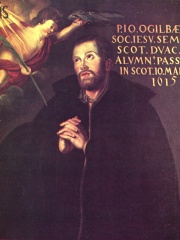
John Ogilvie
1579 - 1579
HPI: 53.39
Helyezés: 3,002
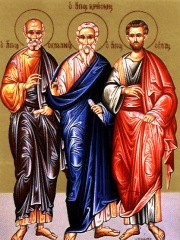
Crescens
HPI: 53.30
Helyezés: 3,003
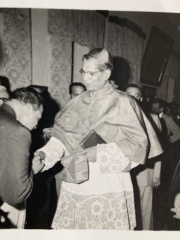
Valerian Gracias
1900 - 1978
HPI: 53.28
Helyezés: 3,004
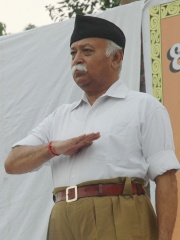
Mohan Bhagwat
1950 - napjainkig
HPI: 53.27
Helyezés: 3,005

Kortársak
A(z) 1941. évben születettek között Luigi Ferrando a(z) 553. helyen áll. Előtte állnak: David Selby, John Nicholson, Dan Coe, Elías Muñoz, Uta Frith, és Graciela Borges. Utána következnek: Irina Petrescu, Viktor Putyatin, Ulf Sterner, Helga Niessen Masthoff, Takao Sakurai, és Bobby Hutcherson.
További személyek, akik a(z) 1941. évben születtek
Összes rangsor megtekintése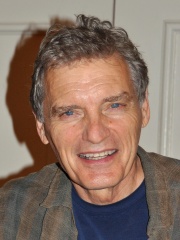
David Selby
ACTOR
1941 - napjainkig
HPI: 53.60
Helyezés: 547
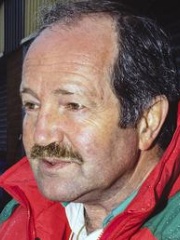
John Nicholson
RACING DRIVER
1941 - 2017
HPI: 53.55
Helyezés: 548
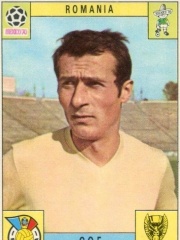
Dan Coe
SOCCER PLAYER
1941 - 1981
HPI: 53.52
Helyezés: 549

Elías Muñoz
SOCCER PLAYER
1941 - napjainkig
HPI: 53.47
Helyezés: 550
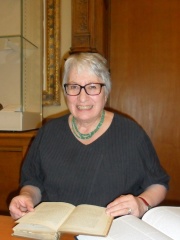
Uta Frith
PSYCHOLOGIST
1941 - napjainkig
HPI: 53.46
Helyezés: 551
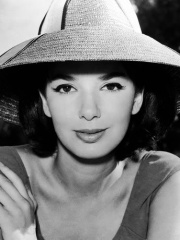
Graciela Borges
ACTOR
1941 - napjainkig
HPI: 53.44
Helyezés: 552
Luigi Ferrando
RELIGIOUS FIGURE
1941 - napjainkig
HPI: 53.43
Helyezés: 553
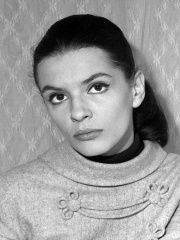
Irina Petrescu
ACTOR
1941 - 2013
HPI: 53.43
Helyezés: 554

Viktor Putyatin
POLITICIAN
1941 - 2021
HPI: 53.35
Helyezés: 555

Ulf Sterner
ATHLETE
1941 - napjainkig
HPI: 53.31
Helyezés: 556
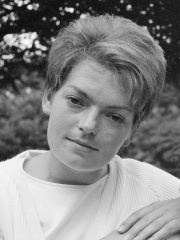
Helga Niessen Masthoff
TENNIS PLAYER
1941 - napjainkig
HPI: 53.27
Helyezés: 557

Takao Sakurai
ATHLETE
1941 - 2012
HPI: 53.26
Helyezés: 558

Bobby Hutcherson
MUSICIAN
1941 - 2016
HPI: 53.22
Helyezés: 559
A(z) Olaszország rangsorában
A(z) Olaszország területén születettek között Luigi Ferrando a(z) 4,072. helyen áll 5,161 közül. Előtte állnak: Alfredo Panzini (1863), Emilio Lunghi (1887), Andrea Giani (1970), Luigi Galleani (1861), Roberto Bussinello (1927), és Roberto Maroni (1955). Utána következnek: Lino Aldani (1926), Carlo Giuffrè (1928), Alessandro Petacchi (1974), Riccardo Ferri (1963), Leonida Bissolati (1857), és Claudio Sala (1947).
További személyek, akik Olaszország területén születtek
Összes rangsor megtekintése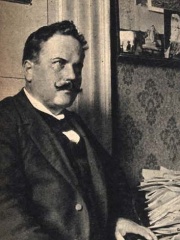
Alfredo Panzini
WRITER
1863 - 1939
HPI: 53.47
Helyezés: 4,066
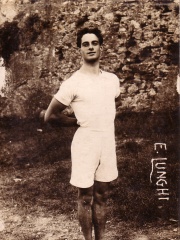
Emilio Lunghi
ATHLETE
1887 - 1925
HPI: 53.47
Helyezés: 4,067
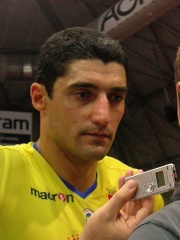
Andrea Giani
VOLLEYBALL PLAYER
1970 - napjainkig
HPI: 53.45
Helyezés: 4,068
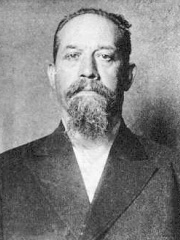
Luigi Galleani
WRITER
1861 - 1931
HPI: 53.45
Helyezés: 4,069
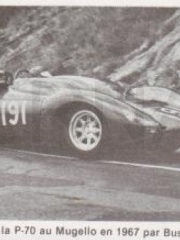
Roberto Bussinello
RACING DRIVER
1927 - 1999
HPI: 53.44
Helyezés: 4,070
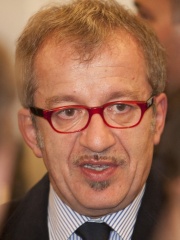
Roberto Maroni
POLITICIAN
1955 - 2022
HPI: 53.44
Helyezés: 4,071
Luigi Ferrando
RELIGIOUS FIGURE
1941 - napjainkig
HPI: 53.43
Helyezés: 4,072

Lino Aldani
WRITER
1926 - 2009
HPI: 53.43
Helyezés: 4,073
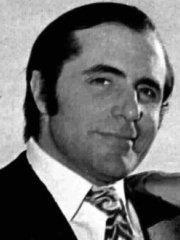
Carlo Giuffrè
ACTOR
1928 - 2018
HPI: 53.43
Helyezés: 4,074
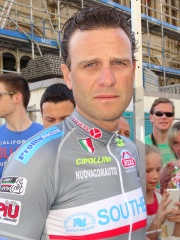
Alessandro Petacchi
CYCLIST
1974 - napjainkig
HPI: 53.41
Helyezés: 4,075

Riccardo Ferri
SOCCER PLAYER
1963 - napjainkig
HPI: 53.39
Helyezés: 4,076
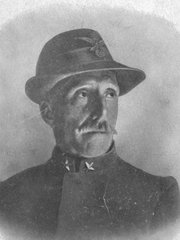
Leonida Bissolati
POLITICIAN
1857 - 1920
HPI: 53.39
Helyezés: 4,077
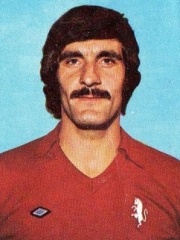
Claudio Sala
SOCCER PLAYER
1947 - napjainkig
HPI: 53.39
Helyezés: 4,078
A(z) Vallási személyiség között – Olaszország
A(z) Olaszország területén született Vallási személyiség között Luigi Ferrando a(z) 558. helyen áll. Előtte állnak: Baldassare Reina (1970), Simona Brambilla (1965), Bruno Forte (1949), Fabio Baggio (1965), Michele Giordano (1930), és Egidio Miragoli (1955). Utána következnek: Paulinus of York (null), Domenico Battaglia (1963), Paolo Pezzi (1960), Lorenzo Milani (1923), Paolo Magnani (1926), és Roberto Repole (1967).
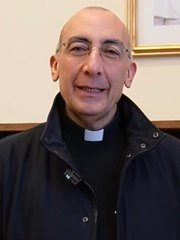
Baldassare Reina
1970 - napjainkig
HPI: 54.13
Helyezés: 552
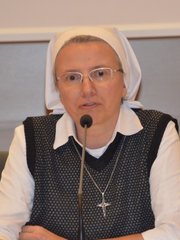
Simona Brambilla
1965 - napjainkig
HPI: 54.07
Helyezés: 553
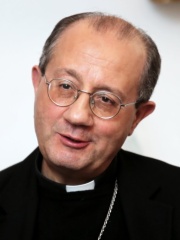
Bruno Forte
1949 - napjainkig
HPI: 53.95
Helyezés: 554

Fabio Baggio
1965 - napjainkig
HPI: 53.94
Helyezés: 555

Michele Giordano
1930 - 2010
HPI: 53.79
Helyezés: 556
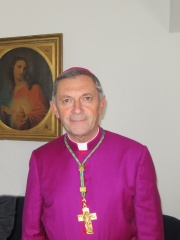
Egidio Miragoli
1955 - napjainkig
HPI: 53.75
Helyezés: 557
Luigi Ferrando
1941 - napjainkig
HPI: 53.43
Helyezés: 558
Paulinus of York
HPI: 53.09
Helyezés: 559
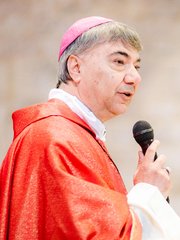
Domenico Battaglia
1963 - napjainkig
HPI: 52.96
Helyezés: 560
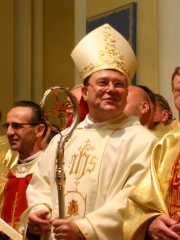
Paolo Pezzi
1960 - napjainkig
HPI: 52.72
Helyezés: 561
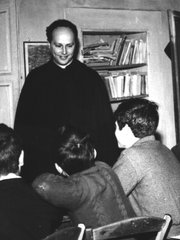
Lorenzo Milani
1923 - 1967
HPI: 52.51
Helyezés: 562
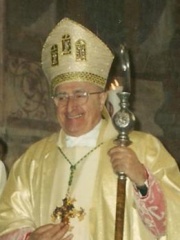
Paolo Magnani
1926 - 2023
HPI: 52.20
Helyezés: 563
Roberto Repole
1967 - napjainkig
HPI: 51.16
Helyezés: 564




