Labdarúgó
Gustavo Zapata
1967 - napjainkig
HU.WIKIPEDIA PAGE VIEWS (PV)

 Gustavo Zapata
Életrajza 43 különböző nyelven érhető el a Wikipédián (csökkenés 44-ről 2024-ben). Gustavo Zapata a 5,069th legnépszerűbb labdarúgó (csökkenés a 3,402nd-ről 2024-ben), a 599th legnépszerűbb életrajz Argentína országából (csökkenés a 480th-ről 2019-ben) és a 288th legnépszerűbb Argentínaból labdarúgó.
Memorability Metrics
11k
Page Views
Past 12 months
52.60
HPI
Historical Popularity Index
Page views of Gustavo Zapata by language
Among Labdarúgó
Among labdarúgó, Gustavo Zapata ranks 5,063 out of 21,273. Before him are Masahiko Kimura, Osamu Maeda, Juan Camilo Zúñiga, Alberigo Evani, Tatsuya Kamohara, and Alexandre Guimarães. After him are Julian Brandt, Takumi Hayama, Marco Borriello, František Jakubec, Víctor Ibarbo, and Kamil Glik.
Most Popular Labdarúgó in Wikipedia
Go to all Rankings

Masahiko Kimura
1984 - Present
HPI: 52.61
Rank: 5,063

Osamu Maeda
1965 - Present
HPI: 52.61
Rank: 5,064
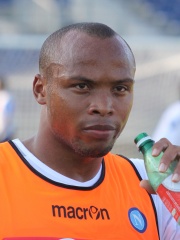
Juan Camilo Zúñiga
1985 - Present
HPI: 52.61
Rank: 5,065
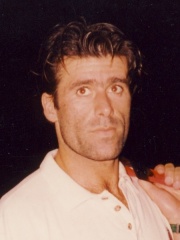
Alberigo Evani
1963 - Present
HPI: 52.61
Rank: 5,066

Tatsuya Kamohara
1983 - Present
HPI: 52.60
Rank: 5,067
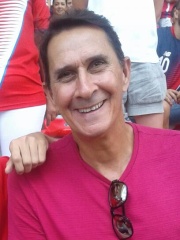
Alexandre Guimarães
1959 - Present
HPI: 52.60
Rank: 5,068
Gustavo Zapata
1967 - Present
HPI: 52.60
Rank: 5,069

Julian Brandt
1996 - Present
HPI: 52.60
Rank: 5,070

Takumi Hayama
1978 - Present
HPI: 52.60
Rank: 5,071

Marco Borriello
1982 - Present
HPI: 52.60
Rank: 5,072

František Jakubec
1956 - 2016
HPI: 52.60
Rank: 5,073
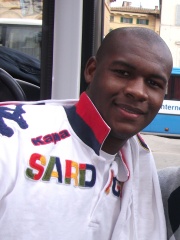
Víctor Ibarbo
1990 - Present
HPI: 52.59
Rank: 5,074

Kamil Glik
1988 - Present
HPI: 52.59
Rank: 5,075

Contemporaries
Among people born in 1967, Gustavo Zapata ranks 343. Before him are Chris Barnes, Khalid Skah, Marko Simeunovič, Sharon Small, Luigi Apolloni, and Dana Vávrová. After him are Icíar Bollaín, Jordi Roura, Mia Sara, Alexia, Ron Livingston, and Dmitry Gordon.
Others Born in 1967
Go to all Rankings
Chris Barnes
SINGER
1967 - Present
HPI: 52.71
Rank: 337
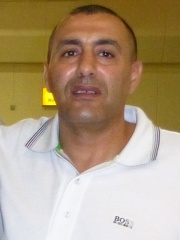
Khalid Skah
POLITICIAN
1967 - Present
HPI: 52.69
Rank: 338

Marko Simeunovič
SOCCER PLAYER
1967 - Present
HPI: 52.66
Rank: 339

Sharon Small
ACTOR
1967 - Present
HPI: 52.64
Rank: 340

Luigi Apolloni
SOCCER PLAYER
1967 - Present
HPI: 52.64
Rank: 341

Dana Vávrová
ACTOR
1967 - 2009
HPI: 52.60
Rank: 342
Gustavo Zapata
SOCCER PLAYER
1967 - Present
HPI: 52.60
Rank: 343

Icíar Bollaín
ACTOR
1967 - Present
HPI: 52.51
Rank: 344
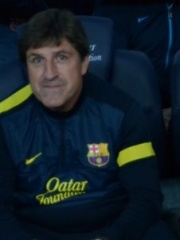
Jordi Roura
SOCCER PLAYER
1967 - Present
HPI: 52.51
Rank: 345

Mia Sara
ACTOR
1967 - Present
HPI: 52.49
Rank: 346

Alexia
SINGER
1967 - Present
HPI: 52.48
Rank: 347
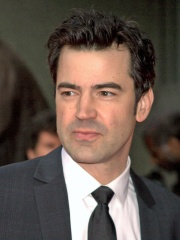
Ron Livingston
ACTOR
1967 - Present
HPI: 52.47
Rank: 348

Dmitry Gordon
WRITER
1967 - Present
HPI: 52.46
Rank: 349
In Argentína
Among people born in Argentína, Gustavo Zapata ranks 599 out of NaN. Before him are Leonardo Sbaraglia (1970), Marcelo Álvarez (1962), Héctor Enrique (1962), Andrés Calamaro (1961), Cristian Romero (1998), and Fito Páez (1963). After him are Luisa Valenzuela (1938), Pablo Cavallero (1974), Juan Martín Maldacena (1968), Delfo Cabrera (1919), Guillermo Coria (1982), and Lucrecia Martel (1966).
Others born in Argentína
Go to all Rankings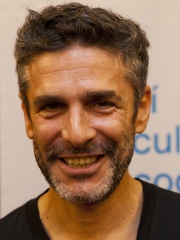
Leonardo Sbaraglia
ACTOR
1970 - Present
HPI: 52.70
Rank: 593
Marcelo Álvarez
SINGER
1962 - Present
HPI: 52.69
Rank: 594
Héctor Enrique
SOCCER PLAYER
1962 - Present
HPI: 52.63
Rank: 595

Andrés Calamaro
SINGER
1961 - Present
HPI: 52.62
Rank: 596
Cristian Romero
SOCCER PLAYER
1998 - Present
HPI: 52.62
Rank: 597

Fito Páez
MUSICIAN
1963 - Present
HPI: 52.61
Rank: 598
Gustavo Zapata
SOCCER PLAYER
1967 - Present
HPI: 52.60
Rank: 599

Luisa Valenzuela
WRITER
1938 - Present
HPI: 52.57
Rank: 600

Pablo Cavallero
SOCCER PLAYER
1974 - Present
HPI: 52.56
Rank: 601
Juan Martín Maldacena
PHYSICIST
1968 - Present
HPI: 52.55
Rank: 602
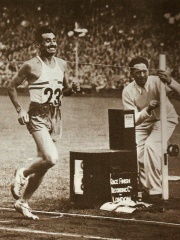
Delfo Cabrera
ATHLETE
1919 - 1981
HPI: 52.54
Rank: 603
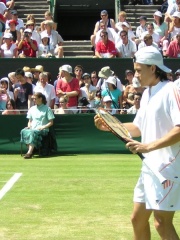
Guillermo Coria
TENNIS PLAYER
1982 - Present
HPI: 52.52
Rank: 604
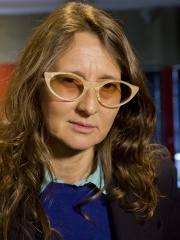
Lucrecia Martel
FILM DIRECTOR
1966 - Present
HPI: 52.50
Rank: 605
Among Labdarúgó In Argentína
Among labdarúgó born in Argentína, Gustavo Zapata ranks 288. Before him are Alexis Mac Allister (1998), Fabricio Coloccini (1982), Papu Gómez (1988), Oscar Calics (1939), Héctor Enrique (1962), and Cristian Romero (1998). After him are Pablo Cavallero (1974), Néstor Lorenzo (1966), Juan Pedevilla (1909), Roberto Bonano (1970), Lisandro López (1983), and Vicente Cantatore (1935).
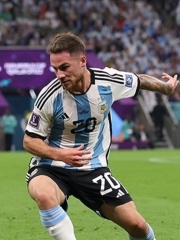
Alexis Mac Allister
1998 - Present
HPI: 52.85
Rank: 282
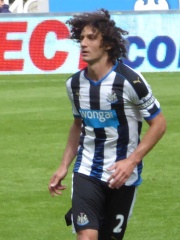
Fabricio Coloccini
1982 - Present
HPI: 52.83
Rank: 283

Papu Gómez
1988 - Present
HPI: 52.75
Rank: 284
Oscar Calics
1939 - 2025
HPI: 52.73
Rank: 285
Héctor Enrique
1962 - Present
HPI: 52.63
Rank: 286
Cristian Romero
1998 - Present
HPI: 52.62
Rank: 287
Gustavo Zapata
1967 - Present
HPI: 52.60
Rank: 288
Pablo Cavallero
1974 - Present
HPI: 52.56
Rank: 289
Néstor Lorenzo
1966 - Present
HPI: 52.46
Rank: 290

Juan Pedevilla
1909 - 2005
HPI: 52.42
Rank: 291
Roberto Bonano
1970 - Present
HPI: 52.35
Rank: 292
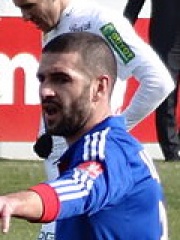
Lisandro López
1983 - Present
HPI: 52.28
Rank: 293
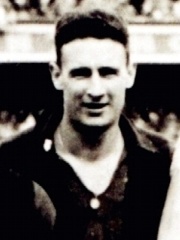
Vicente Cantatore
1935 - 2021
HPI: 52.25
Rank: 294




