Zeneszerző
Fred Frith
1949 - napjainkig
HU.WIKIPEDIA OLDALMEGTEKINTÉSEK (PV)
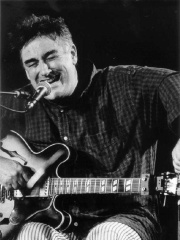
 Fred Frith
Életrajza 22 különböző nyelven érhető el a Wikipédián. Fred Frith a 1,201st legnépszerűbb zeneszerző (növekedés a 1,215th-ről 2024-ben), a 3,961st legnépszerűbb életrajz Egyesült Királyság országából (csökkenés a 3,867th-ről 2019-ben) és a 63rd legnépszerűbb Egyesült Királyságból zeneszerző.
Ismertségi mutatók
38k
Oldalmegtekintések
Elmúlt 12 hónap
55.67
HPI
Történelmi népszerűségi index
Fred Frith oldalmegtekintései nyelvenként
A(z) Zeneszerző között
A(z) Zeneszerző között Fred Frith a(z) 1,201. helyen áll 1,451 közül. Előtte állnak: Yasuharu Takanashi, Halfdan Kjerulf, Gunther Schuller, Stevan Hristić, Paul Whiteman, és Klaus Badelt. Utána következnek: Fartein Valen, Alan Hovhaness, Shlomo Mintz, Italo Montemezzi, Thomas Linley the younger, és Francisco Asenjo Barbieri.
A legnépszerűbb Zeneszerző a Wikipédián
Összes rangsor megtekintése

Yasuharu Takanashi
1963 - napjainkig
HPI: 55.75
Helyezés: 1,195
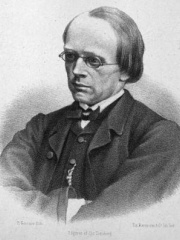
Halfdan Kjerulf
1815 - 1868
HPI: 55.75
Helyezés: 1,196
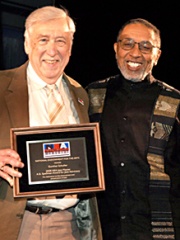
Gunther Schuller
1925 - 2015
HPI: 55.72
Helyezés: 1,197
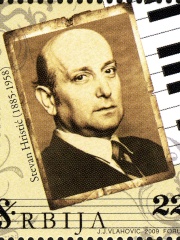
Stevan Hristić
1885 - 1958
HPI: 55.69
Helyezés: 1,198
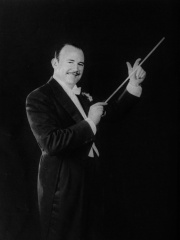
Paul Whiteman
1890 - 1967
HPI: 55.69
Helyezés: 1,199

Klaus Badelt
1967 - napjainkig
HPI: 55.69
Helyezés: 1,200
Fred Frith
1949 - napjainkig
HPI: 55.67
Helyezés: 1,201
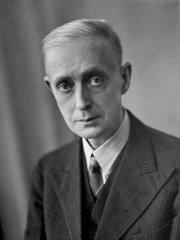
Fartein Valen
1887 - 1952
HPI: 55.66
Helyezés: 1,202
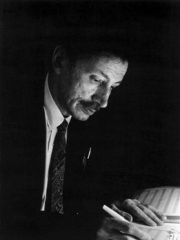
Alan Hovhaness
1911 - 2000
HPI: 55.65
Helyezés: 1,203
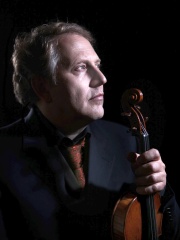
Shlomo Mintz
1957 - napjainkig
HPI: 55.60
Helyezés: 1,204
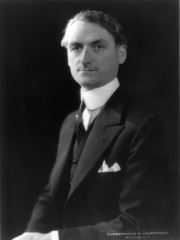
Italo Montemezzi
1875 - 1952
HPI: 55.59
Helyezés: 1,205
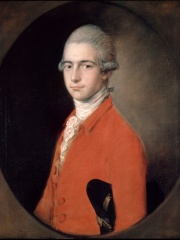
Thomas Linley the younger
1756 - 1778
HPI: 55.57
Helyezés: 1,206
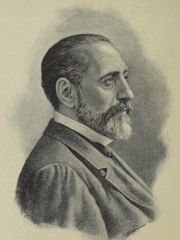
Francisco Asenjo Barbieri
1823 - 1894
HPI: 55.56
Helyezés: 1,207

Kortársak
A(z) 1949. évben születettek között Fred Frith a(z) 477. helyen áll. Előtte állnak: Rudy Hartono, John Podesta, Emma Kirkby, Vladimír Martinec, Jamaica Kincaid, és Carlo Petrini. Utána következnek: Hildegard Falck, Philippe Descola, Karel Lismont, Jean Kalala N'Tumba, Alaa Hussein Ali, és Takeshi Shudo.
További személyek, akik a(z) 1949. évben születtek
Összes rangsor megtekintése
Rudy Hartono
BADMINTON PLAYER
1949 - napjainkig
HPI: 55.74
Helyezés: 471

John Podesta
POLITICIAN
1949 - napjainkig
HPI: 55.74
Helyezés: 472

Emma Kirkby
SINGER
1949 - napjainkig
HPI: 55.73
Helyezés: 473
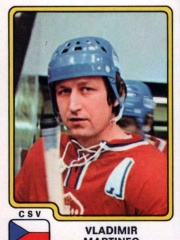
Vladimír Martinec
HOCKEY PLAYER
1949 - napjainkig
HPI: 55.71
Helyezés: 474
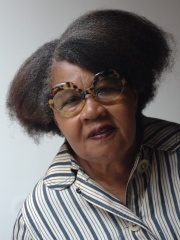
Jamaica Kincaid
WRITER
1949 - napjainkig
HPI: 55.70
Helyezés: 475
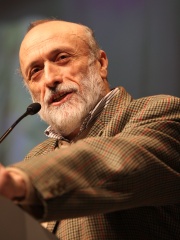
Carlo Petrini
POLITICIAN
1949 - 2026
HPI: 55.68
Helyezés: 476
Fred Frith
COMPOSER
1949 - napjainkig
HPI: 55.67
Helyezés: 477
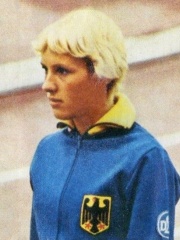
Hildegard Falck
ATHLETE
1949 - napjainkig
HPI: 55.63
Helyezés: 478
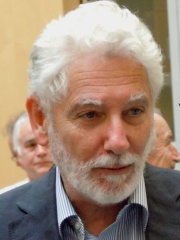
Philippe Descola
ANTHROPOLOGIST
1949 - napjainkig
HPI: 55.61
Helyezés: 479

Karel Lismont
ATHLETE
1949 - napjainkig
HPI: 55.57
Helyezés: 480

Jean Kalala N'Tumba
SOCCER PLAYER
1949 - 2021
HPI: 55.56
Helyezés: 481
Alaa Hussein Ali
POLITICIAN
1949 - napjainkig
HPI: 55.54
Helyezés: 482

Takeshi Shudo
WRITER
1949 - 2010
HPI: 55.53
Helyezés: 483
A(z) Egyesült Királyság rangsorában
A(z) Egyesült Királyság területén születettek között Fred Frith a(z) 3,961. helyen áll NaN közül. Előtte állnak: Sir William Temple, 1st Baronet (1628), Robert Lindsay (1890), Wilfrid Hyde-White (1903), Michael Winner (1935), Billy Hughes (1862), és Ælfric of Eynsham (955). Utána következnek: Mary Garden (1874), Mortimer Wheeler (1890), Georges Passerieu (1885), Sir William Jardine, 7th Baronet (1800), Leo Sayer (1948), és Richard Lynn (1930).
További személyek, akik Egyesült Királyság területén születtek
Összes rangsor megtekintése
Sir William Temple, 1st Baronet
POLITICIAN
1628 - 1699
HPI: 55.69
Helyezés: 3,955
Robert Lindsay
ATHLETE
1890 - 1958
HPI: 55.68
Helyezés: 3,956
Wilfrid Hyde-White
ACTOR
1903 - 1991
HPI: 55.68
Helyezés: 3,957
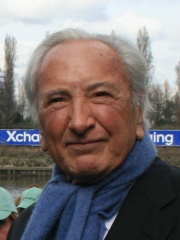
Michael Winner
FILM DIRECTOR
1935 - 2013
HPI: 55.68
Helyezés: 3,958
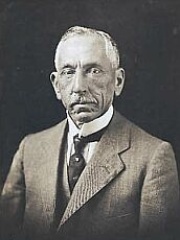
Billy Hughes
POLITICIAN
1862 - 1952
HPI: 55.68
Helyezés: 3,959

Ælfric of Eynsham
WRITER
955 - 1020
HPI: 55.67
Helyezés: 3,960
Fred Frith
COMPOSER
1949 - napjainkig
HPI: 55.67
Helyezés: 3,961
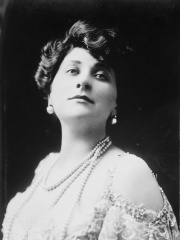
Mary Garden
SINGER
1874 - 1967
HPI: 55.67
Helyezés: 3,962
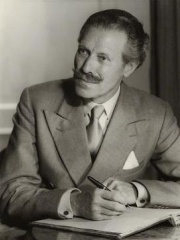
Mortimer Wheeler
ARCHAEOLOGIST
1890 - 1976
HPI: 55.67
Helyezés: 3,963
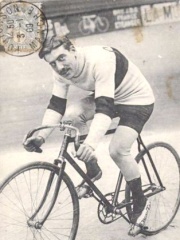
Georges Passerieu
CYCLIST
1885 - 1928
HPI: 55.67
Helyezés: 3,964
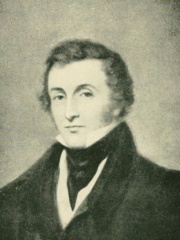
Sir William Jardine, 7th Baronet
BIOLOGIST
1800 - 1874
HPI: 55.67
Helyezés: 3,965
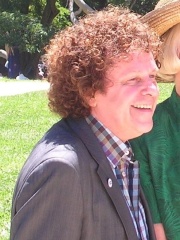
Leo Sayer
SINGER
1948 - napjainkig
HPI: 55.66
Helyezés: 3,966
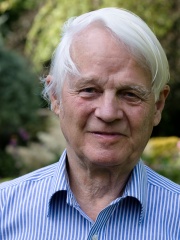
Richard Lynn
PSYCHOLOGIST
1930 - 2023
HPI: 55.66
Helyezés: 3,967
A(z) Zeneszerző között – Egyesült Királyság
A(z) Egyesült Királyság területén született Zeneszerző között Fred Frith a(z) 63. helyen áll. Előtte állnak: John Wilbye (1574), Henry Bishop (1786), John Ireland (1879), Clint Mansell (1963), Thomas Weelkes (1576), és Charles Avison (1709). Utána következnek: Thomas Linley the younger (1756), Adolph Deutsch (1897), Craig Armstrong (1959), Granville Bantock (1868), Thomas Campion (1567), és Ivor Novello (1893).

John Wilbye
1574 - 1638
HPI: 56.21
Helyezés: 57
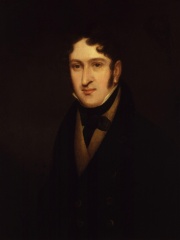
Henry Bishop
1786 - 1855
HPI: 56.18
Helyezés: 58
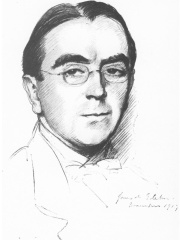
John Ireland
1879 - 1962
HPI: 56.12
Helyezés: 59

Clint Mansell
1963 - napjainkig
HPI: 55.96
Helyezés: 60

Thomas Weelkes
1576 - 1623
HPI: 55.84
Helyezés: 61
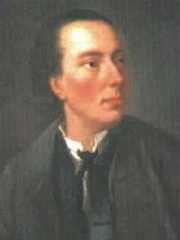
Charles Avison
1709 - 1770
HPI: 55.78
Helyezés: 62
Fred Frith
1949 - napjainkig
HPI: 55.67
Helyezés: 63
Thomas Linley the younger
1756 - 1778
HPI: 55.57
Helyezés: 64

Adolph Deutsch
1897 - 1980
HPI: 55.28
Helyezés: 65

Craig Armstrong
1959 - napjainkig
HPI: 55.06
Helyezés: 66
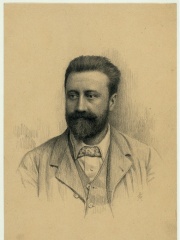
Granville Bantock
1868 - 1946
HPI: 55.04
Helyezés: 67

Thomas Campion
1567 - 1620
HPI: 54.97
Helyezés: 68
Ivor Novello
1893 - 1951
HPI: 54.85
Helyezés: 69




