Politicien
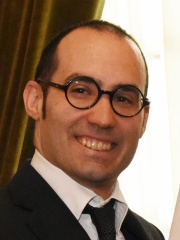
Alberto Cirio
1972 - aujourd'hui
PAGES VUES SUR FR.WIKIPEDIA (PV)
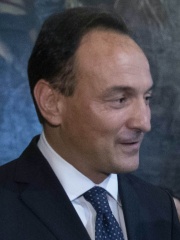

 Alberto Cirio
Sa biographie est disponible en 15 langues sur Wikipédia. Alberto Cirio est le 19,282nd politicien le plus populaire (en baisse du 18,741st en 2024), la 4,917th biographie la plus populaire d'Italie (en baisse du 4,722nd en 2019), ainsi que le 956th politicien d'Italie le plus populaire.
Indicateurs de mémorabilité
51k
Pages vues
12 derniers mois
43.32
HPI
Indice de popularité historique
Faits marquants
6 déc.
Alberto Cirio partage sa date d'anniversaire (6 décembre) avec Henry VI of England, Joseph Louis Gay-Lussac et Max Müller.
Pages vues de Alberto Cirio par langue
Parmi les Politicien
Parmi les Politicien, Alberto Cirio occupe le rang 19,275 sur 19,576. Avant lui viennent John Hutton, Baron Hutton of Furness, Cathrine Lindahl, Tim Pawlenty, Barbara Nowacka, Connie Mack III, et Høgni Hoydal. Après lui viennent Steve Pearce, Martha McSally, Vermin Supreme, Bob Carr, Anton Gerashchenko, et Adele Tonnini.
Politicien les plus populaires sur Wikipédia
Voir tous les classements

John Hutton, Baron Hutton of Furness
1955 - présent
HPI : 43.38
Rang : 19,276
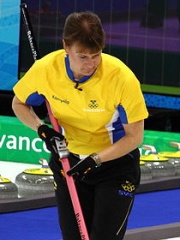
Cathrine Lindahl
1970 - présent
HPI : 43.37
Rang : 19,277
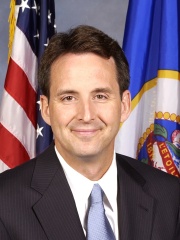
Tim Pawlenty
1960 - présent
HPI : 43.34
Rang : 19,278
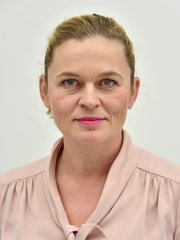
Barbara Nowacka
1975 - présent
HPI : 43.34
Rang : 19,279
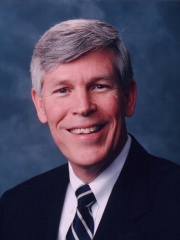
Connie Mack III
1940 - présent
HPI : 43.33
Rang : 19,280
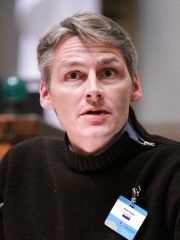
Høgni Hoydal
1966 - présent
HPI : 43.33
Rang : 19,281
Alberto Cirio
1972 - présent
HPI : 43.32
Rang : 19,282
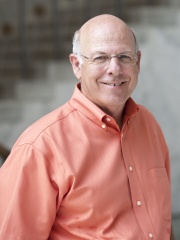
Steve Pearce
1947 - présent
HPI : 43.32
Rang : 19,283
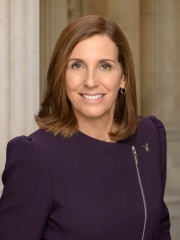
Martha McSally
1966 - présent
HPI : 43.32
Rang : 19,284
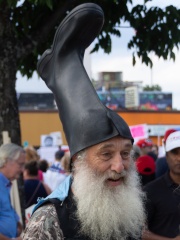
Vermin Supreme
1961 - présent
HPI : 43.32
Rang : 19,285
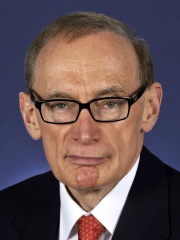
Bob Carr
1947 - présent
HPI : 43.31
Rang : 19,286
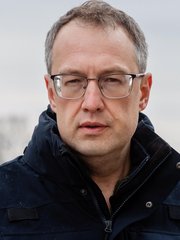
Anton Gerashchenko
1979 - présent
HPI : 43.30
Rang : 19,287
Adele Tonnini
1977 - présent
HPI : 43.30
Rang : 19,288

Contemporains
Parmi les personnes nées en 1972, Alberto Cirio occupe le rang 1,010. Avant lui viennent Frank Shamrock, Tim Lobinger, Eva Amaral, Yang Wenyi, Sébastien Flute, et Daniel Casey. Après lui viennent Kristina Poplavskaja, Matthew Herbert, Fuad Anwar Amin, Mark Davis, Zaza Zazirov, et Oana Pantelimon.
Autres personnes nées en 1972
Voir tous les classements
Frank Shamrock
MARTIAL ARTS
1972 - présent
HPI : 43.37
Rang : 1,004

Tim Lobinger
ATHLETE
1972 - 2023
HPI : 43.36
Rang : 1,005

Eva Amaral
SINGER
1972 - présent
HPI : 43.35
Rang : 1,006

Yang Wenyi
SWIMMER
1972 - présent
HPI : 43.35
Rang : 1,007

Sébastien Flute
ATHLETE
1972 - présent
HPI : 43.33
Rang : 1,008

Daniel Casey
ACTOR
1972 - présent
HPI : 43.32
Rang : 1,009
Alberto Cirio
POLITICIAN
1972 - présent
HPI : 43.32
Rang : 1,010

Kristina Poplavskaja
ATHLETE
1972 - présent
HPI : 43.32
Rang : 1,011
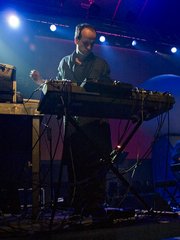
Matthew Herbert
MUSICIAN
1972 - présent
HPI : 43.32
Rang : 1,012
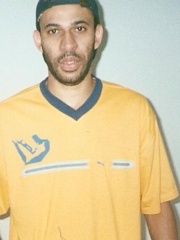
Fuad Anwar Amin
SOCCER PLAYER
1972 - présent
HPI : 43.31
Rang : 1,013

Mark Davis
SNOOKER
1972 - présent
HPI : 43.29
Rang : 1,014

Zaza Zazirov
WRESTLER
1972 - présent
HPI : 43.26
Rang : 1,015
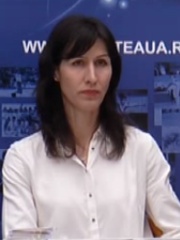
Oana Pantelimon
ATHLETE
1972 - présent
HPI : 43.25
Rang : 1,016
En Italie
Parmi les personnes nées en Italie, Alberto Cirio occupe le rang 4,917 sur 5,161. Avant lui viennent Lukas Hofer (1989), Matteo Pessina (1997), Rolando Bianchi (1983), Davide Valsecchi (1987), Cesare Cremonini (1980), et Emanuela Pierantozzi (1968). Après lui viennent Giuseppe Sculli (1981), Cesare Bovo (1983), Luca Marini (1997), Marco Andreolli (1986), Roberto Gagliardini (1994), et Fabiana Luperini (1974).
Autres personnes nées en Italie
Voir tous les classements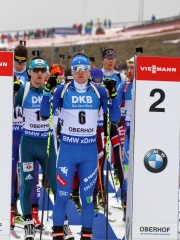
Lukas Hofer
ATHLETE
1989 - présent
HPI : 43.35
Rang : 4,911
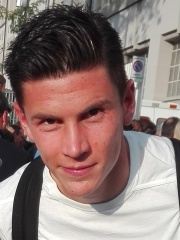
Matteo Pessina
SOCCER PLAYER
1997 - présent
HPI : 43.35
Rang : 4,912
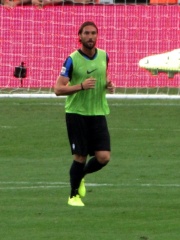
Rolando Bianchi
SOCCER PLAYER
1983 - présent
HPI : 43.34
Rang : 4,913

Davide Valsecchi
RACING DRIVER
1987 - présent
HPI : 43.34
Rang : 4,914
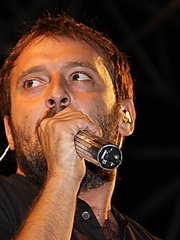
Cesare Cremonini
MUSICIAN
1980 - présent
HPI : 43.34
Rang : 4,915

Emanuela Pierantozzi
WRESTLER
1968 - présent
HPI : 43.33
Rang : 4,916
Alberto Cirio
POLITICIAN
1972 - présent
HPI : 43.32
Rang : 4,917
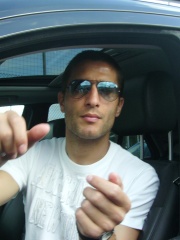
Giuseppe Sculli
SOCCER PLAYER
1981 - présent
HPI : 43.31
Rang : 4,918

Cesare Bovo
SOCCER PLAYER
1983 - présent
HPI : 43.30
Rang : 4,919
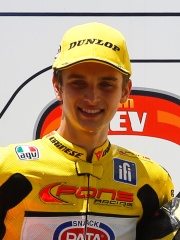
Luca Marini
RACING DRIVER
1997 - présent
HPI : 43.29
Rang : 4,920

Marco Andreolli
SOCCER PLAYER
1986 - présent
HPI : 43.27
Rang : 4,921
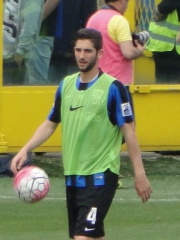
Roberto Gagliardini
SOCCER PLAYER
1994 - présent
HPI : 43.27
Rang : 4,922
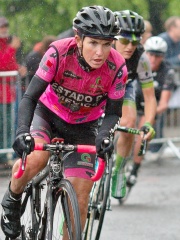
Fabiana Luperini
CYCLIST
1974 - présent
HPI : 43.26
Rang : 4,923
Parmi les Politicien en Italie
Parmi les Politicien nés en Italie, Alberto Cirio occupe le rang 956. Avant lui viennent Luigi de Magistris (1967), Paolo Rondelli (1963), Roberto Fico (1974), Jole Santelli (1968), Mario Mauro (1961), et Lorenzo Guerini (1966). Après lui viennent Andrea Orlando (1969), Beatrice Lorenzin (1971), Elena Bonetti (1974), Chiara Appendino (1984), Nicola Renzi (1979), et Erika Stefani (1971).
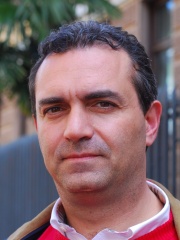
Luigi de Magistris
1967 - présent
HPI : 45.42
Rang : 950
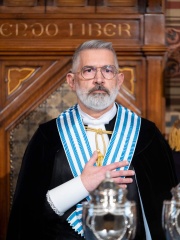
Paolo Rondelli
1963 - présent
HPI : 45.18
Rang : 951
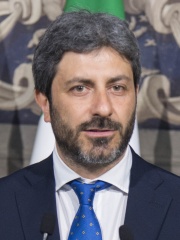
Roberto Fico
1974 - présent
HPI : 45.05
Rang : 952
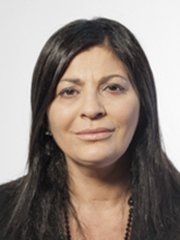
Jole Santelli
1968 - 2020
HPI : 44.55
Rang : 953

Mario Mauro
1961 - présent
HPI : 44.49
Rang : 954
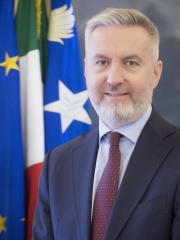
Lorenzo Guerini
1966 - présent
HPI : 44.38
Rang : 955
Alberto Cirio
1972 - présent
HPI : 43.32
Rang : 956
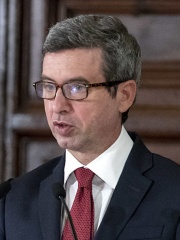
Andrea Orlando
1969 - présent
HPI : 42.45
Rang : 957
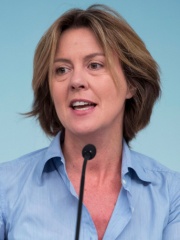
Beatrice Lorenzin
1971 - présent
HPI : 42.14
Rang : 958
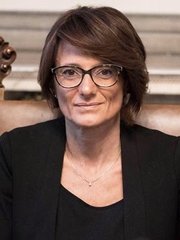
Elena Bonetti
1974 - présent
HPI : 40.67
Rang : 959
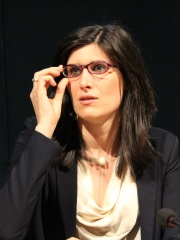
Chiara Appendino
1984 - présent
HPI : 40.08
Rang : 960
Nicola Renzi
1979 - présent
HPI : 39.48
Rang : 961

Erika Stefani
1971 - présent
HPI : 38.55
Rang : 962




