Militar
Ubbe Ragnarsson
1000 - 878
VISITAS EN ES.WIKIPEDIA (PV)
 Ubbe Ragnarsson
Su biografía está disponible en 27 idiomas en Wikipedia (aumentó de 25 en 2024). Ubbe Ragnarsson ocupa el puesto 66 entre los militar más populares (subió del puesto 142 en 2024), el puesto 25 entre las biografías más populares de Dinamarca (subió del puesto 50 en 2019) y el primer puesto entre los militar de dinamarca más populares.
Métricas de memorabilidad
290k
Visitas
Últimos 12 meses
77.10
HPI
Índice de Popularidad Histórica
Visitas a la página de Ubbe Ragnarsson por idioma
Entre Militar
Entre Militar, Ubbe Ragnarsson ocupa el puesto 66 de 2,058. Antes de él están Mikhail Kutuzov, Baron Munchausen, Erich Ludendorff, Roland, Charles de Batz de Castelmore d'Artagnan, y Fedor von Bock. Después de él están Ernst Röhm, Eugène de Beauharnais, Manfred von Richthofen, Yi Sun-sin, Walter Model, y T. E. Lawrence.
Militar más populares en Wikipedia
Ver todas las clasificaciones
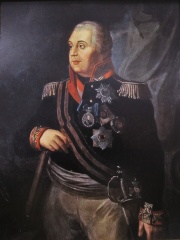
Mikhail Kutuzov
1745 - 1813
HPI: 77.48
Puesto: 60
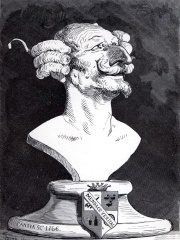
Baron Munchausen
1720 - 1797
HPI: 77.47
Puesto: 61
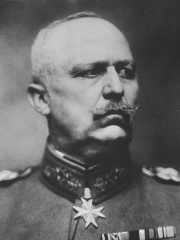
Erich Ludendorff
1865 - 1937
HPI: 77.47
Puesto: 62
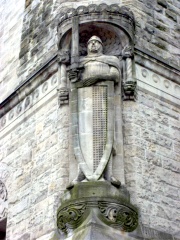
Roland
736 - 778
HPI: 77.29
Puesto: 63
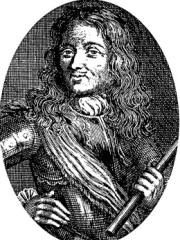
Charles de Batz de Castelmore d'Artagnan
1611 - 1673
HPI: 77.24
Puesto: 64
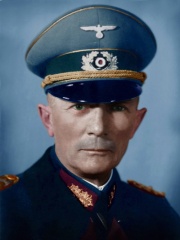
Fedor von Bock
1880 - 1945
HPI: 77.17
Puesto: 65
Ubba
1000 - 878
HPI: 77.10
Puesto: 66
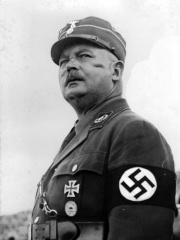
Ernst Röhm
1887 - 1934
HPI: 77.03
Puesto: 67
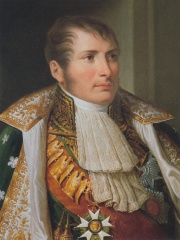
Eugène de Beauharnais
1781 - 1824
HPI: 77.01
Puesto: 68
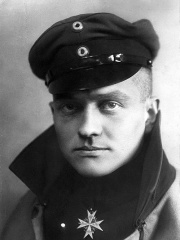
Manfred von Richthofen
1892 - 1918
HPI: 76.98
Puesto: 69
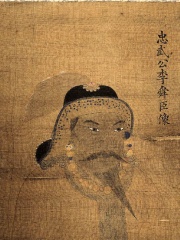
Yi Sun-sin
1545 - 1598
HPI: 76.95
Puesto: 70
Walter Model
1891 - 1945
HPI: 76.94
Puesto: 71
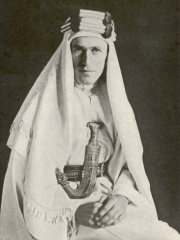
T. E. Lawrence
1888 - 1935
HPI: 76.94
Puesto: 72

Contemporáneos
Entre las personas nacidas en 1000, Ubbe Ragnarsson ocupa el puesto 4. Antes de él están Pope Damasus II, Pope John XV, y Pope Sylvester III. Después de él están Pope Gregory VI, Michael VI Bringas, Thorfinn Karlsefni, Pope John XIV, Constantine IX Monomachos, Parascheva of the Balkans, Antipope John XVI, y Rajendra Chola I. Entre las personas fallecidas en 878, Ubbe Ragnarsson ocupa el puesto 1. Después de él están Áed mac Cináeda, y Rhodri the Great.
Otras personas nacidas en 1000
Ver todas las clasificaciones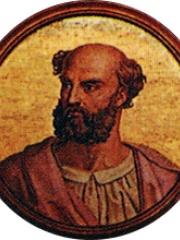
Pope Damasus II
RELIGIOUS FIGURE
1000 - 1048
HPI: 80.13
Puesto: 1
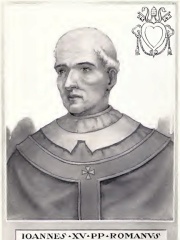
Pope John XV
RELIGIOUS FIGURE
1000 - 996
HPI: 78.97
Puesto: 2
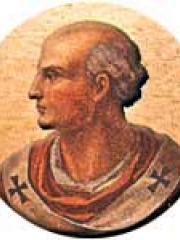
Pope Sylvester III
RELIGIOUS FIGURE
1000 - 1060
HPI: 77.53
Puesto: 3
Ubba
MILITARY PERSONNEL
1000 - 878
HPI: 77.10
Puesto: 4
Pope Gregory VI
RELIGIOUS FIGURE
1000 - 1048
HPI: 76.95
Puesto: 5
Michael VI Bringas
POLITICIAN
1000 - 1059
HPI: 76.87
Puesto: 6
Thorfinn Karlsefni
EXPLORER
1000 - 1100
HPI: 76.44
Puesto: 7
Pope John XIV
RELIGIOUS FIGURE
1000 - 984
HPI: 75.49
Puesto: 8
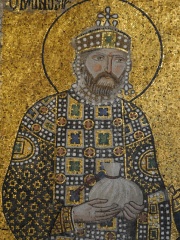
Constantine IX Monomachos
POLITICIAN
1000 - 1055
HPI: 75.24
Puesto: 9
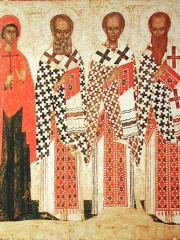
Parascheva of the Balkans
RELIGIOUS FIGURE
1000 - 1100
HPI: 72.56
Puesto: 10
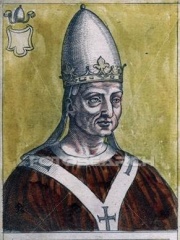
Antipope John XVI
RELIGIOUS FIGURE
1000 - 1001
HPI: 69.69
Puesto: 11
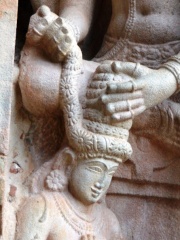
Rajendra Chola I
POLITICIAN
1000 - 1044
HPI: 69.10
Puesto: 12
Otras personas fallecidas en 878
Ver todas las clasificacionesUbba
MILITARY PERSONNEL
1000 - 878
HPI: 77.10
Puesto: 1
Áed mac Cináeda
POLITICIAN
858 - 878
HPI: 67.81
Puesto: 2
Rhodri the Great
POLITICIAN
820 - 878
HPI: 65.03
Puesto: 3
En Dinamarca
Entre las personas nacidas en Dinamarca, Ubbe Ragnarsson ocupa el puesto 25 de NaN. Antes de él están Ivar the Boneless (900), Ole Rømer (1644), Christian VI of Denmark (1699), Gorm the Old (900), Christian II of Denmark (1481), y George I of Greece (1845). Después de él están Sweyn Forkbeard (960), Christian IV of Denmark (1577), Frederik X (1968), Björn Ironside (800), Henrik Pontoppidan (1857), y Fredrik Bajer (1837).
Otras personas nacidas en Dinamarca
Ver todas las clasificaciones
Ivar the Boneless
POLITICIAN
900 - 873
HPI: 77.97
Puesto: 19
Ole Rømer
ASTRONOMER
1644 - 1710
HPI: 77.72
Puesto: 20
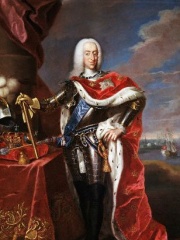
Christian VI of Denmark
POLITICIAN
1699 - 1746
HPI: 77.47
Puesto: 21
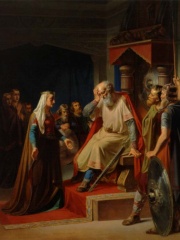
Gorm the Old
POLITICIAN
900 - 958
HPI: 77.46
Puesto: 22
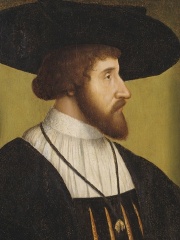
Christian II of Denmark
POLITICIAN
1481 - 1559
HPI: 77.34
Puesto: 23
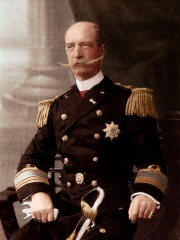
George I of Greece
POLITICIAN
1845 - 1913
HPI: 77.14
Puesto: 24
Ubba
MILITARY PERSONNEL
1000 - 878
HPI: 77.10
Puesto: 25
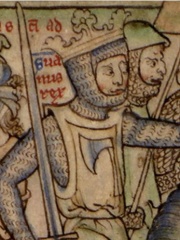
Sweyn Forkbeard
POLITICIAN
960 - 1014
HPI: 77.00
Puesto: 26
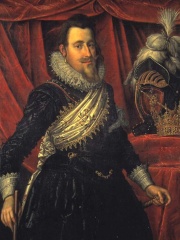
Christian IV of Denmark
POLITICIAN
1577 - 1648
HPI: 76.83
Puesto: 27
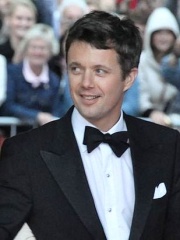
Frederik X
NOBLEMAN
1968 - presente
HPI: 76.78
Puesto: 28
Björn Ironside
POLITICIAN
800 - 876
HPI: 76.78
Puesto: 29
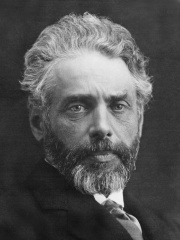
Henrik Pontoppidan
WRITER
1857 - 1943
HPI: 76.76
Puesto: 30
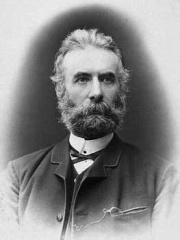
Fredrik Bajer
POLITICIAN
1837 - 1922
HPI: 76.68
Puesto: 31
Entre Militar en Dinamarca
Entre Militar nacidos en Dinamarca, Ubbe Ragnarsson ocupa el puesto 1. Después de él están Maximilian von Spee (1861), Adam Ludwig Lewenhaupt (1659), Søren Kam (1921), y Bernhard Rogge (1899).
Ubba
1000 - 878
HPI: 77.10
Puesto: 1
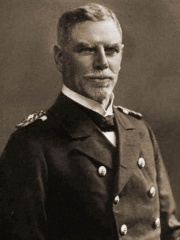
Maximilian von Spee
1861 - 1914
HPI: 68.59
Puesto: 2
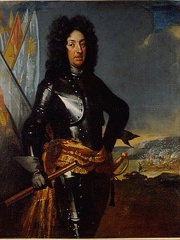
Adam Ludwig Lewenhaupt
1659 - 1719
HPI: 64.72
Puesto: 3
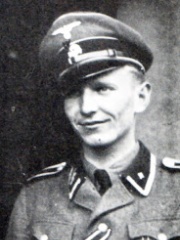
Søren Kam
1921 - 2015
HPI: 59.08
Puesto: 4
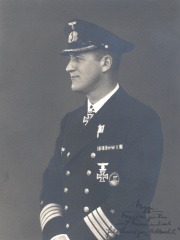
Bernhard Rogge
1899 - 1982
HPI: 57.33
Puesto: 5




