Soccer Player
Stopira
Cape Verdean association football player
1988 - today
EN.WIKIPEDIA PAGE VIEWS (PV)
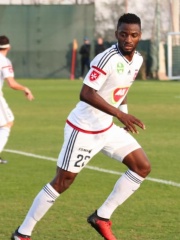
 Stopira
His biography is available in 15 different languages on Wikipedia. Stopira is the 18,137th most popular soccer player (down from 14,532nd in 2024), the 26th most popular biography from Cape Verde (down from 23rd in 2019) and the 14th most popular Cape Verdean Soccer Player.
Memorability Metrics
28k
Page Views
Past 12 months
36.70
HPI
Historical Popularity Index
Data Insights
15
Stopira's biography spans 15 Wikipedia language editions and earns a Historical Popularity Index of 36.70.
Page views of Stopira by language
Among Soccer Players
Among soccer players, Stopira ranks 18,118 out of 24,321. Before him are Amad Al-Hosni, Renaud Cohade, Yasuhiro Tominaga, Andrés Chávez, Eliran Atar, and Marcos López. After him are Adam Federici, Takumu Kawamura, Jérémy Pied, Jack Rodwell, Nikki Havenaar, and Lluís Sastre.
Most Popular Soccer Players in Wikipedia
Go to all Rankings
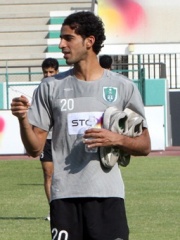
Amad Al-Hosni
1984 - Present
HPI: 36.71
Rank: 18,131
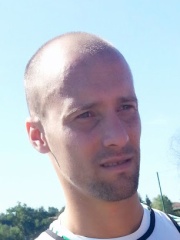
Renaud Cohade
1984 - Present
HPI: 36.71
Rank: 18,132

Yasuhiro Tominaga
1980 - Present
HPI: 36.71
Rank: 18,133

Andrés Chávez
1991 - Present
HPI: 36.71
Rank: 18,134
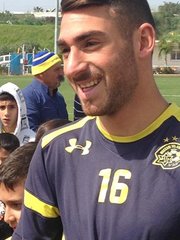
Eliran Atar
1987 - Present
HPI: 36.71
Rank: 18,135
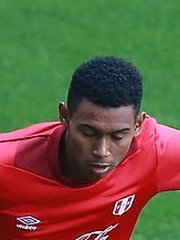
Marcos López
1999 - Present
HPI: 36.71
Rank: 18,136
Stopira
1988 - Present
HPI: 36.70
Rank: 18,137
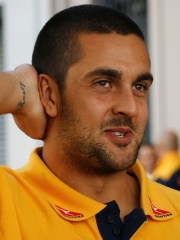
Adam Federici
1985 - Present
HPI: 36.70
Rank: 18,138

Takumu Kawamura
1999 - Present
HPI: 36.70
Rank: 18,139
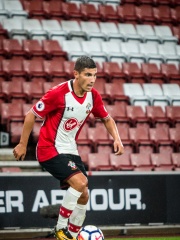
Jérémy Pied
1989 - Present
HPI: 36.70
Rank: 18,140
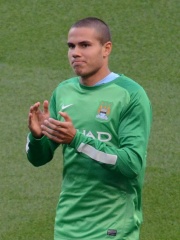
Jack Rodwell
1991 - Present
HPI: 36.70
Rank: 18,141
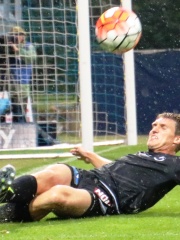
Nikki Havenaar
1995 - Present
HPI: 36.70
Rank: 18,142
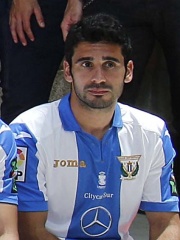
Lluís Sastre
1986 - Present
HPI: 36.70
Rank: 18,143

Contemporaries
Among people born in 1988, Stopira ranks 1,310. Before him are Camila Brait, Ramadan Darwish, Mitchell Watt, Isabel Kerschowski, Elvin Mammadov, and Shun Nagasawa. After him are Mizuki Fujii, Naif Hazazi, Artur Noga, Stanislaw Drahun, Camilla Dalby, and Kévin Monnet-Paquet.
Others Born in 1988
Go to all Rankings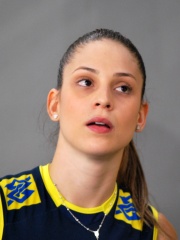
Camila Brait
VOLLEYBALL PLAYER
1988 - Present
HPI: 36.76
Rank: 1,304

Ramadan Darwish
ATHLETE
1988 - Present
HPI: 36.76
Rank: 1,305
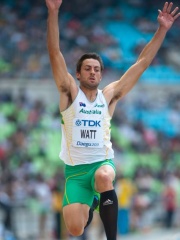
Mitchell Watt
ATHLETE
1988 - Present
HPI: 36.75
Rank: 1,306
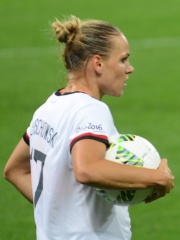
Isabel Kerschowski
SOCCER PLAYER
1988 - Present
HPI: 36.75
Rank: 1,307

Elvin Mammadov
SOCCER PLAYER
1988 - Present
HPI: 36.74
Rank: 1,308

Shun Nagasawa
SOCCER PLAYER
1988 - Present
HPI: 36.72
Rank: 1,309
Stopira
SOCCER PLAYER
1988 - Present
HPI: 36.70
Rank: 1,310
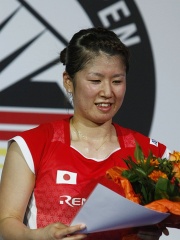
Mizuki Fujii
BADMINTON PLAYER
1988 - Present
HPI: 36.70
Rank: 1,311
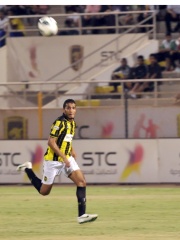
Naif Hazazi
SOCCER PLAYER
1988 - Present
HPI: 36.69
Rank: 1,312
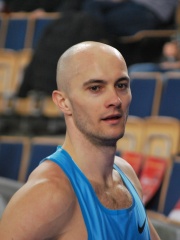
Artur Noga
ATHLETE
1988 - Present
HPI: 36.69
Rank: 1,313
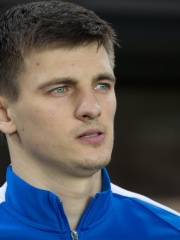
Stanislaw Drahun
SOCCER PLAYER
1988 - Present
HPI: 36.68
Rank: 1,314

Camilla Dalby
HANDBALL PLAYER
1988 - Present
HPI: 36.64
Rank: 1,315
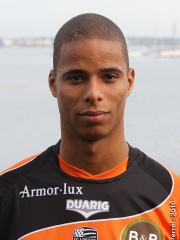
Kévin Monnet-Paquet
SOCCER PLAYER
1988 - Present
HPI: 36.64
Rank: 1,316
In Cape Verde
Among people born in Cape Verde, Stopira ranks 26 out of 34. Before him are Babanco (1985), Zé Luís (1991), Gilson Benchimol (2001), Nuno da Costa (1991), Júlio Tavares (1988), and Jovane Cabral (1998). After him are Diney (1995), João Paulo Fernandes (1998), Vozinha (1986), Daniel Varela de Pina (1996), Márcio Rosa (1997), and Evelise Veiga (1996).
Others born in Cape Verde
Go to all Rankings
Babanco
SOCCER PLAYER
1985 - Present
HPI: 40.91
Rank: 20
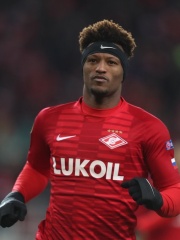
Zé Luís
SOCCER PLAYER
1991 - Present
HPI: 40.26
Rank: 21
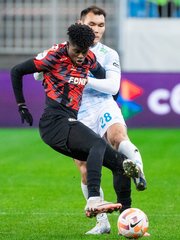
Gilson Benchimol
SOCCER PLAYER
2001 - Present
HPI: 40.17
Rank: 22
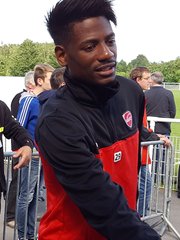
Nuno da Costa
SOCCER PLAYER
1991 - Present
HPI: 40.06
Rank: 23
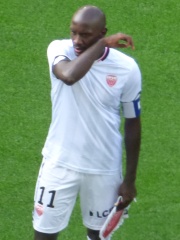
Júlio Tavares
SOCCER PLAYER
1988 - Present
HPI: 39.82
Rank: 24
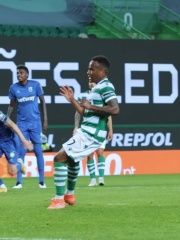
Jovane Cabral
SOCCER PLAYER
1998 - Present
HPI: 36.84
Rank: 25
Stopira
SOCCER PLAYER
1988 - Present
HPI: 36.70
Rank: 26

Diney
SOCCER PLAYER
1995 - Present
HPI: 36.40
Rank: 27

João Paulo Fernandes
SOCCER PLAYER
1998 - Present
HPI: 34.24
Rank: 28

Vozinha
SOCCER PLAYER
1986 - Present
HPI: 33.88
Rank: 29

Daniel Varela de Pina
BOXER
1996 - Present
HPI: 31.87
Rank: 30
Márcio Rosa
SOCCER PLAYER
1997 - Present
HPI: 28.26
Rank: 31

Evelise Veiga
ATHLETE
1996 - Present
HPI: 27.30
Rank: 32
Among Soccer Players In Cape Verde
Among soccer players born in Cape Verde, Stopira ranks 14. Before him are Babanco (1985), Zé Luís (1991), Gilson Benchimol (2001), Nuno da Costa (1991), Júlio Tavares (1988), and Jovane Cabral (1998). After him are Diney (1995), João Paulo Fernandes (1998), Vozinha (1986), and Márcio Rosa (1997).
Babanco
1985 - Present
HPI: 40.91
Rank: 8
Zé Luís
1991 - Present
HPI: 40.26
Rank: 9
Gilson Benchimol
2001 - Present
HPI: 40.17
Rank: 10
Nuno da Costa
1991 - Present
HPI: 40.06
Rank: 11
Júlio Tavares
1988 - Present
HPI: 39.82
Rank: 12
Jovane Cabral
1998 - Present
HPI: 36.84
Rank: 13
Stopira
1988 - Present
HPI: 36.70
Rank: 14
Diney
1995 - Present
HPI: 36.40
Rank: 15
João Paulo Fernandes
1998 - Present
HPI: 34.24
Rank: 16
Vozinha
1986 - Present
HPI: 33.88
Rank: 17
Márcio Rosa
1997 - Present
HPI: 28.26
Rank: 18




