Film Director
Rachel Talalay
American screen director and producer
1958 - today
EN.WIKIPEDIA PAGE VIEWS (PV)
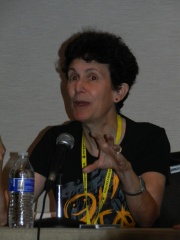

 Rachel Talalay
Her biography is available in 17 different languages on Wikipedia. Rachel Talalay is the 1,862nd most popular film director (up from 1,864th in 2024), the 14,778th most popular biography from United States (up from 15,159th in 2019) and the 536th most popular American Film Director.
Memorability Metrics
47k
Page Views
Past 12 months
47.16
HPI
Historical Popularity Index
Data Insights
17
Rachel Talalay's biography spans 17 Wikipedia language editions and earns a Historical Popularity Index of 47.16.
Page views of Rachel Talalay by language
Among Film Directors
Among film directors, Rachel Talalay ranks 1,862 out of 2,296. Before her are Helena Třeštíková, Benoît Delhomme, Samira Makhmalbaf, György Pálfi, Jan Jakub Kolski, and Rodrigo Sorogoyen. After her are James Burrows, Shinji Aoyama, Mauro Fiore, Greg Mottola, David Dhawan, and Brad Silberling.
Most Popular Film Directors in Wikipedia
Go to all Rankings
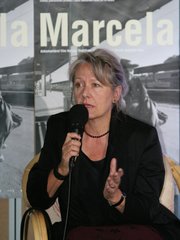
Helena Třeštíková
1949 - Present
HPI: 47.26
Rank: 1,856

Benoît Delhomme
1961 - Present
HPI: 47.23
Rank: 1,857

Samira Makhmalbaf
1980 - Present
HPI: 47.22
Rank: 1,858
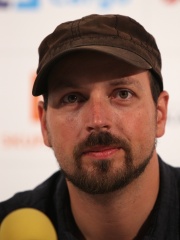
György Pálfi
1974 - Present
HPI: 47.20
Rank: 1,859
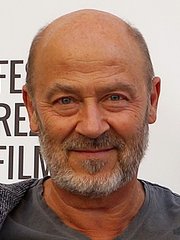
Jan Jakub Kolski
1956 - Present
HPI: 47.19
Rank: 1,860

Rodrigo Sorogoyen
1981 - Present
HPI: 47.16
Rank: 1,861
Rachel Talalay
1958 - Present
HPI: 47.16
Rank: 1,862

James Burrows
1940 - 2026
HPI: 47.16
Rank: 1,863

Shinji Aoyama
1964 - 2022
HPI: 47.14
Rank: 1,864

Mauro Fiore
1964 - Present
HPI: 47.14
Rank: 1,865
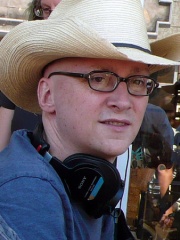
Greg Mottola
1964 - Present
HPI: 47.14
Rank: 1,866
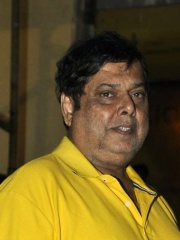
David Dhawan
1955 - Present
HPI: 47.07
Rank: 1,867

Brad Silberling
1963 - Present
HPI: 47.05
Rank: 1,868

Contemporaries
Among people born in 1958, Rachel Talalay ranks 712. Before her are Samir Shaker, Martin Odersky, Thomas Kinkade, Shigekazu Nakamura, José Carlos Chaves, and Ángel Acebes. After her are Jools Holland, Rupert Vansittart, Nobuhiro Ishizaki, Joseph Strickland, Jacqueline Hewitt, and Dean Crawford.
Others Born in 1958
Go to all Rankings
Samir Shaker
SOCCER PLAYER
1958 - Present
HPI: 47.33
Rank: 706

Martin Odersky
COMPUTER SCIENTIST
1958 - Present
HPI: 47.31
Rank: 707
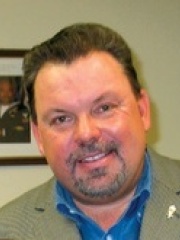
Thomas Kinkade
PAINTER
1958 - 2012
HPI: 47.26
Rank: 708

Shigekazu Nakamura
SOCCER PLAYER
1958 - Present
HPI: 47.21
Rank: 709

José Carlos Chaves
SOCCER PLAYER
1958 - Present
HPI: 47.19
Rank: 710
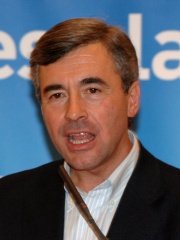
Ángel Acebes
POLITICIAN
1958 - Present
HPI: 47.18
Rank: 711
Rachel Talalay
FILM DIRECTOR
1958 - Present
HPI: 47.16
Rank: 712

Jools Holland
MUSICIAN
1958 - Present
HPI: 47.15
Rank: 713
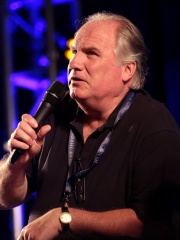
Rupert Vansittart
ACTOR
1958 - Present
HPI: 47.12
Rank: 714

Nobuhiro Ishizaki
SOCCER PLAYER
1958 - Present
HPI: 46.98
Rank: 715
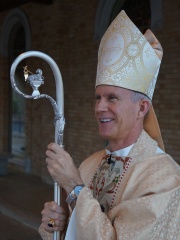
Joseph Strickland
RELIGIOUS FIGURE
1958 - Present
HPI: 46.96
Rank: 716
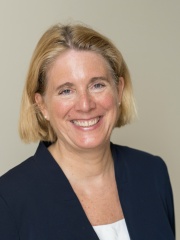
Jacqueline Hewitt
PHYSICIST
1958 - Present
HPI: 46.93
Rank: 717

Dean Crawford
ATHLETE
1958 - 2023
HPI: 46.92
Rank: 718
In United States
Among people born in United States, Rachel Talalay ranks 14,778 out of 23,232. Before her are Jenny Simpson (1986), Quinton Aaron (1984), Bob Armstrong (1939), Julie Plec (1972), Jack Dalrymple (1948), and Oveta Culp Hobby (1905). After her are Roy Cooper (1957), James Burrows (1940), Paula Jones (1966), Max Casella (1967), Ella Hall (1896), and Erik (1984).
Others born in United States
Go to all Rankings
Jenny Simpson
ATHLETE
1986 - Present
HPI: 47.16
Rank: 14,772
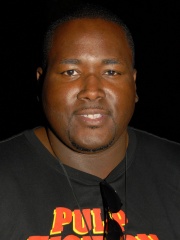
Quinton Aaron
ACTOR
1984 - Present
HPI: 47.16
Rank: 14,773
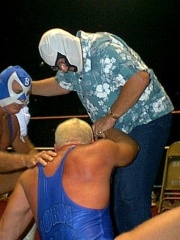
Bob Armstrong
WRESTLER
1939 - 2020
HPI: 47.16
Rank: 14,774
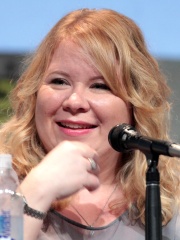
Julie Plec
WRITER
1972 - Present
HPI: 47.16
Rank: 14,775
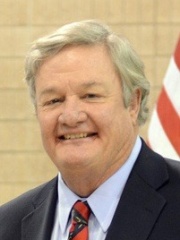
Jack Dalrymple
POLITICIAN
1948 - Present
HPI: 47.16
Rank: 14,776
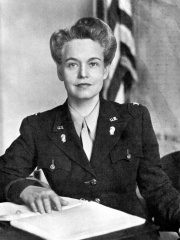
Oveta Culp Hobby
POLITICIAN
1905 - 1995
HPI: 47.16
Rank: 14,777
Rachel Talalay
FILM DIRECTOR
1958 - Present
HPI: 47.16
Rank: 14,778

Roy Cooper
POLITICIAN
1957 - Present
HPI: 47.16
Rank: 14,779
James Burrows
FILM DIRECTOR
1940 - 2026
HPI: 47.16
Rank: 14,780

Paula Jones
CELEBRITY
1966 - Present
HPI: 47.16
Rank: 14,781
Max Casella
ACTOR
1967 - Present
HPI: 47.16
Rank: 14,782
Ella Hall
ACTOR
1896 - 1981
HPI: 47.16
Rank: 14,783

Erik
WRESTLER
1984 - Present
HPI: 47.15
Rank: 14,784
Among Film Directors In United States
Among film directors born in United States, Rachel Talalay ranks 536. Before her are Jon Watts (1981), Scott Frank (1960), Jon M. Chu (1979), John A. Russo (1939), David Nutter (1960), and Pamela Fryman (1959). After her are James Burrows (1940), Greg Mottola (1964), Brad Silberling (1963), Amy Heckerling (1954), Dan Povenmire (1963), and Michael Dante DiMartino (1974).

Jon Watts
1981 - Present
HPI: 47.52
Rank: 530

Scott Frank
1960 - Present
HPI: 47.48
Rank: 531
Jon M. Chu
1979 - Present
HPI: 47.46
Rank: 532
John A. Russo
1939 - Present
HPI: 47.45
Rank: 533
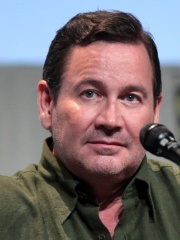
David Nutter
1960 - Present
HPI: 47.33
Rank: 534
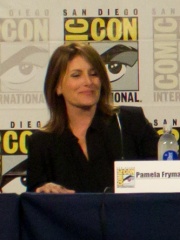
Pamela Fryman
1959 - Present
HPI: 47.28
Rank: 535
Rachel Talalay
1958 - Present
HPI: 47.16
Rank: 536
James Burrows
1940 - 2026
HPI: 47.16
Rank: 537
Greg Mottola
1964 - Present
HPI: 47.14
Rank: 538
Brad Silberling
1963 - Present
HPI: 47.05
Rank: 539
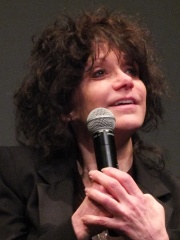
Amy Heckerling
1954 - Present
HPI: 47.02
Rank: 540
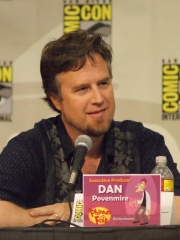
Dan Povenmire
1963 - Present
HPI: 46.99
Rank: 541
Michael Dante DiMartino
1974 - Present
HPI: 46.98
Rank: 542




