Singer
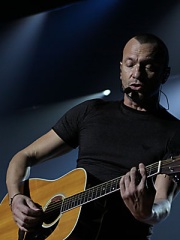
Lucio Corsi
Italian singer-songwriter
1993 - today
EN.WIKIPEDIA PAGE VIEWS (PV)


 Lucio Corsi
His biography is available in 24 different languages on Wikipedia. Lucio Corsi is the 2,135th most popular singer, the 4,267th most popular biography from Italy and the 112th most popular Italian Singer.
Lucio Corsi is most famous for his work as an Italian singer-songwriter, known for his unique blend of pop and indie music. He gained recognition for his poetic lyrics and distinctive sound, particularly with his debut album "Cosa fare per non pensare a te."
Memorability Metrics
230k
Page Views
Past 12 months
51.20
HPI
Historical Popularity Index
Page views of Lucio Corsi by language
Among Singers
Among singers, Lucio Corsi ranks 2,135 out of 4,381. Before him are Linde Lindström, José Vélez, Johnny Otis, David Banner, Kehlani, and Charlie Daniels. After him are Jonathan Richman, Renato Russo, Rudy Vallée, Alla Kudlai, Sirusho, and Loona.
Most Popular Singers in Wikipedia
Go to all Rankings
Linde Lindström
1976 - Present
HPI: 51.23
Rank: 2,129
José Vélez
1951 - Present
HPI: 51.23
Rank: 2,130
Johnny Otis
1921 - 2012
HPI: 51.22
Rank: 2,131
David Banner
1974 - Present
HPI: 51.22
Rank: 2,132
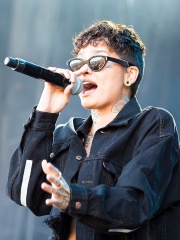
Kehlani
1995 - Present
HPI: 51.21
Rank: 2,133

Charlie Daniels
1936 - 2020
HPI: 51.21
Rank: 2,134
Lucio Corsi
1993 - Present
HPI: 51.20
Rank: 2,135
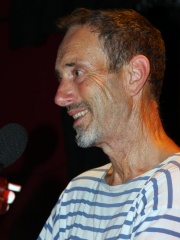
Jonathan Richman
1951 - Present
HPI: 51.20
Rank: 2,136
Renato Russo
1960 - 1996
HPI: 51.20
Rank: 2,137
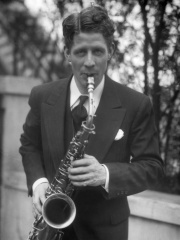
Rudy Vallée
1901 - 1986
HPI: 51.19
Rank: 2,138

Alla Kudlai
1954 - Present
HPI: 51.19
Rank: 2,139

Sirusho
1987 - Present
HPI: 51.17
Rank: 2,140

Loona
1974 - Present
HPI: 51.17
Rank: 2,141

Contemporaries
Among people born in 1993, Lucio Corsi ranks 95. Before him are Naomi Scott, Anitta, Johnny Gaudreau, Jyoti Amge, Suso, and Toshiki Sakai. After him are Antonio Giovinazzi, DeAndre Yedlin, Giovanni Di Lorenzo, Geoffrey Kondogbia, Felipe Anderson, and Park Gyu-young.
Others Born in 1993
Go to all Rankings
Naomi Scott
ACTOR
1993 - Present
HPI: 51.44
Rank: 89

Anitta
SINGER
1993 - Present
HPI: 51.40
Rank: 90

Johnny Gaudreau
HOCKEY PLAYER
1993 - 2024
HPI: 51.36
Rank: 91

Jyoti Amge
ACTOR
1993 - Present
HPI: 51.31
Rank: 92
Suso
SOCCER PLAYER
1993 - Present
HPI: 51.25
Rank: 93
Toshiki Sakai
SOCCER PLAYER
1993 - Present
HPI: 51.21
Rank: 94
Lucio Corsi
SINGER
1993 - Present
HPI: 51.20
Rank: 95

Antonio Giovinazzi
RACING DRIVER
1993 - Present
HPI: 51.05
Rank: 96
DeAndre Yedlin
SOCCER PLAYER
1993 - Present
HPI: 50.66
Rank: 97
Giovanni Di Lorenzo
SOCCER PLAYER
1993 - Present
HPI: 50.64
Rank: 98
Geoffrey Kondogbia
SOCCER PLAYER
1993 - Present
HPI: 50.60
Rank: 99
Felipe Anderson
SOCCER PLAYER
1993 - Present
HPI: 50.58
Rank: 100

Park Gyu-young
ACTOR
1993 - Present
HPI: 50.54
Rank: 101
In Italy
Among people born in Italy, Lucio Corsi ranks 4,267 out of NaN. Before him are Andrea Tafi (1966), Franco Ballerini (1964), Elsa Fornero (1948), Pietro Genovesi (1902), Piero Fassino (1949), and Vittorio Arrigoni (1975). After him are Giorgio Di Centa (1972), Roberto Repole (1967), Giovanna Mezzogiorno (1974), Mario Martone (1959), Isabella Ferrari (1964), and Gian Giorgio Trissino (1877).
Others born in Italy
Go to all Rankings
Andrea Tafi
CYCLIST
1966 - Present
HPI: 51.27
Rank: 4,261
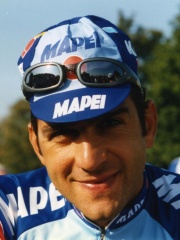
Franco Ballerini
CYCLIST
1964 - 2010
HPI: 51.27
Rank: 4,262
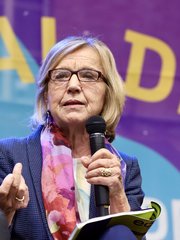
Elsa Fornero
POLITICIAN
1948 - Present
HPI: 51.27
Rank: 4,263

Pietro Genovesi
SOCCER PLAYER
1902 - 1980
HPI: 51.26
Rank: 4,264
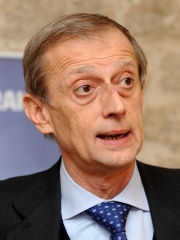
Piero Fassino
POLITICIAN
1949 - Present
HPI: 51.26
Rank: 4,265

Vittorio Arrigoni
WRITER
1975 - 2011
HPI: 51.23
Rank: 4,266
Lucio Corsi
SINGER
1993 - Present
HPI: 51.20
Rank: 4,267
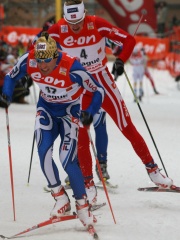
Giorgio Di Centa
SKIER
1972 - Present
HPI: 51.17
Rank: 4,268
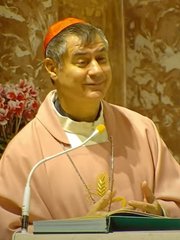
Roberto Repole
RELIGIOUS FIGURE
1967 - Present
HPI: 51.16
Rank: 4,269
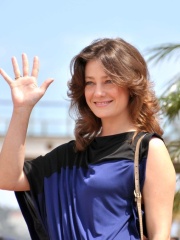
Giovanna Mezzogiorno
ACTOR
1974 - Present
HPI: 51.16
Rank: 4,270
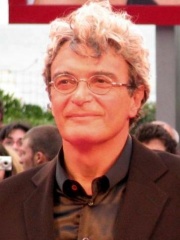
Mario Martone
FILM DIRECTOR
1959 - Present
HPI: 51.16
Rank: 4,271
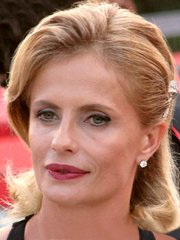
Isabella Ferrari
ACTOR
1964 - Present
HPI: 51.15
Rank: 4,272
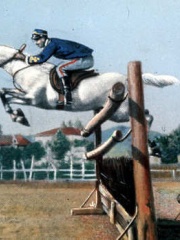
Gian Giorgio Trissino
ATHLETE
1877 - 1963
HPI: 51.11
Rank: 4,273
Among Singers In Italy
Among singers born in Italy, Lucio Corsi ranks 112. Before him are Ezio Pinza (1892), Raf (1959), Fabio Lione (1973), Senhit (1979), In-Grid (1978), and Alexia (1967). After him are Giorgia (1971), Valerie Dore (1964), Enrico Ruggeri (1957), Marco Mengoni (1988), Biagio Antonacci (1963), and Cristina D'Avena (1964).
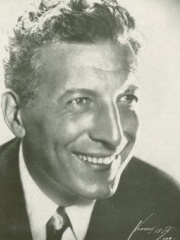
Ezio Pinza
1892 - 1957
HPI: 53.50
Rank: 106
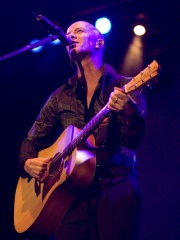
Raf
1959 - Present
HPI: 53.10
Rank: 107
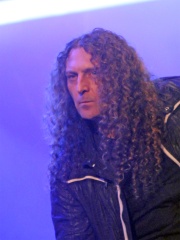
Fabio Lione
1973 - Present
HPI: 53.06
Rank: 108

Senhit
1979 - Present
HPI: 53.05
Rank: 109
In-Grid
1978 - Present
HPI: 53.00
Rank: 110
Alexia
1967 - Present
HPI: 52.48
Rank: 111
Lucio Corsi
1993 - Present
HPI: 51.20
Rank: 112
Giorgia
1971 - Present
HPI: 50.98
Rank: 113

Valerie Dore
1964 - Present
HPI: 50.97
Rank: 114

Enrico Ruggeri
1957 - Present
HPI: 50.88
Rank: 115
Marco Mengoni
1988 - Present
HPI: 50.57
Rank: 116
Biagio Antonacci
1963 - Present
HPI: 50.55
Rank: 117

Cristina D'Avena
1964 - Present
HPI: 49.77
Rank: 118




