Singer
Jovanotti
Italian singer-songwriter
1966 - today
EN.WIKIPEDIA PAGE VIEWS (PV)


 Jovanotti
His biography is available in 27 different languages on Wikipedia. Jovanotti is the 1,414th most popular singer (down from 1,340th in 2024), the 3,710th most popular biography from Italy (down from 3,617th in 2019) and the 92nd most popular Italian Singer.
Memorability Metrics
310k
Page Views
Past 12 months
55.69
HPI
Historical Popularity Index
Data Insights
27
Jovanotti's biography spans 27 Wikipedia language editions and earns a Historical Popularity Index of 55.69.
Page views of Jovanotti by language
Among Singers
Among singers, Jovanotti ranks 1,414 out of 5,024. Before him are Yardena Arazi, Jimi Jamison, Eddy Wally, Valery Meladze, Jacques Higelin, and Anna Jantar. After him are Namie Amuro, Brita Borg, Helen Reddy, Mary Garden, Sandra Reemer, and Don Omar.
Most Popular Singers in Wikipedia
Go to all Rankings
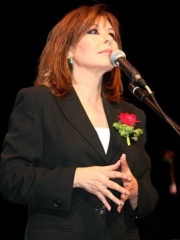
Yardena Arazi
1951 - Present
HPI: 55.71
Rank: 1,408
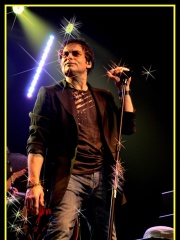
Jimi Jamison
1951 - 2014
HPI: 55.71
Rank: 1,409
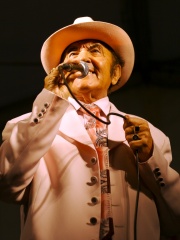
Eddy Wally
1932 - 2016
HPI: 55.71
Rank: 1,410
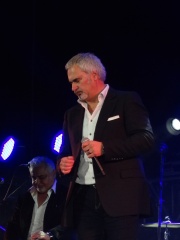
Valery Meladze
1965 - Present
HPI: 55.70
Rank: 1,411
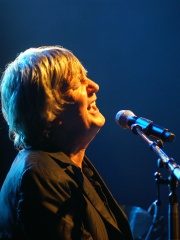
Jacques Higelin
1940 - 2018
HPI: 55.70
Rank: 1,412
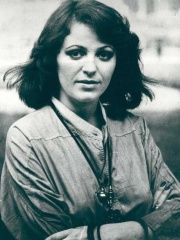
Anna Jantar
1950 - 1980
HPI: 55.69
Rank: 1,413
Jovanotti
1966 - Present
HPI: 55.69
Rank: 1,414

Namie Amuro
1977 - Present
HPI: 55.69
Rank: 1,415
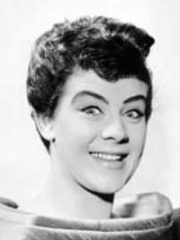
Brita Borg
1926 - 2010
HPI: 55.68
Rank: 1,416
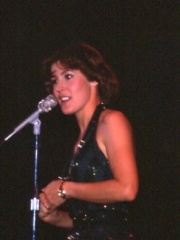
Helen Reddy
1941 - 2020
HPI: 55.67
Rank: 1,417
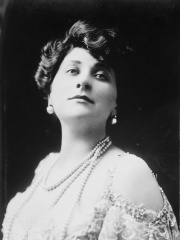
Mary Garden
1874 - 1967
HPI: 55.67
Rank: 1,418
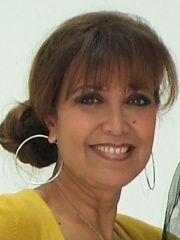
Sandra Reemer
1950 - 2017
HPI: 55.67
Rank: 1,419
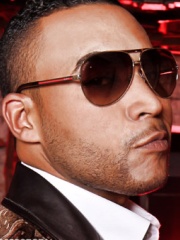
Don Omar
1978 - Present
HPI: 55.66
Rank: 1,420

Contemporaries
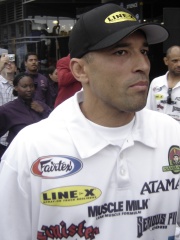
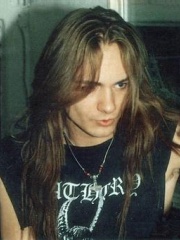
Among people born in 1966, Jovanotti ranks 223. Before him are Tihomir Orešković, Flemming Povlsen, Tom Henning Øvrebø, Peaches, Femke Halsema, and Frank De Bleeckere. After him are Zlatko Yankov, Royce Gracie, Michelle Akers, Ed de Goey, Quorthon, and Marin Hinkle.
Others Born in 1966
Go to all Rankings
Tihomir Orešković
POLITICIAN
1966 - Present
HPI: 55.82
Rank: 217
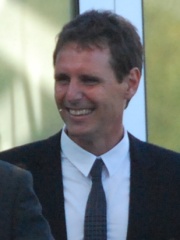
Flemming Povlsen
SOCCER PLAYER
1966 - Present
HPI: 55.81
Rank: 218

Tom Henning Øvrebø
REFEREE
1966 - Present
HPI: 55.76
Rank: 219
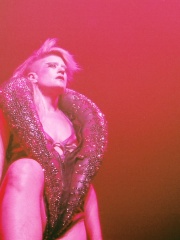
Peaches
SINGER
1966 - Present
HPI: 55.73
Rank: 220
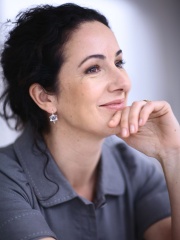
Femke Halsema
POLITICIAN
1966 - Present
HPI: 55.72
Rank: 221
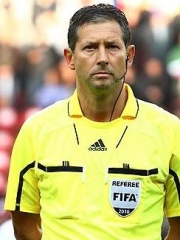
Frank De Bleeckere
REFEREE
1966 - Present
HPI: 55.71
Rank: 222
Jovanotti
SINGER
1966 - Present
HPI: 55.69
Rank: 223
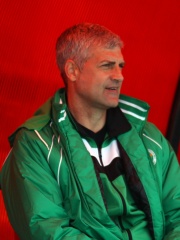
Zlatko Yankov
SOCCER PLAYER
1966 - Present
HPI: 55.68
Rank: 224
Royce Gracie
MARTIAL ARTS
1966 - Present
HPI: 55.66
Rank: 225

Michelle Akers
SOCCER PLAYER
1966 - Present
HPI: 55.62
Rank: 226

Ed de Goey
SOCCER PLAYER
1966 - Present
HPI: 55.61
Rank: 227
Quorthon
MUSICIAN
1966 - 2004
HPI: 55.59
Rank: 228

Marin Hinkle
ACTOR
1966 - Present
HPI: 55.58
Rank: 229
In Italy
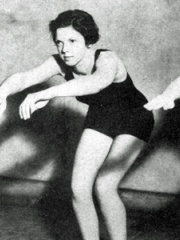
Among people born in Italy, Jovanotti ranks 3,710 out of 5,905. Before him are Francesco Brioschi (1824), Carla Marangoni (1915), Filippo Parlatore (1816), Luciano Tesi (1931), Giovanni Berchet (1783), and Carlo Biagi (1914). After him are Giovanni Zucchi (1931), Giorgio Scarlatti (1921), Giacomo Capuzzi (1929), Maurizio Arena (1933), Giuseppe Merisi (1938), and Charles Piazzi Smyth (1819).
Others born in Italy
Go to all Rankings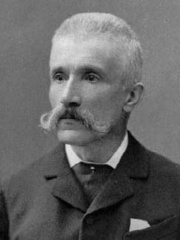
Francesco Brioschi
MATHEMATICIAN
1824 - 1897
HPI: 55.75
Rank: 3,704
Carla Marangoni
POLITICIAN
1915 - 2018
HPI: 55.75
Rank: 3,705
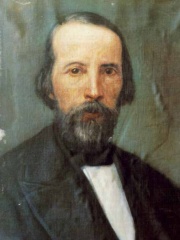
Filippo Parlatore
BIOLOGIST
1816 - 1877
HPI: 55.74
Rank: 3,706

Luciano Tesi
ASTRONOMER
1931 - Present
HPI: 55.73
Rank: 3,707

Giovanni Berchet
WRITER
1783 - 1851
HPI: 55.73
Rank: 3,708

Carlo Biagi
SOCCER PLAYER
1914 - 1986
HPI: 55.71
Rank: 3,709
Jovanotti
SINGER
1966 - Present
HPI: 55.69
Rank: 3,710

Giovanni Zucchi
ATHLETE
1931 - 2021
HPI: 55.68
Rank: 3,711
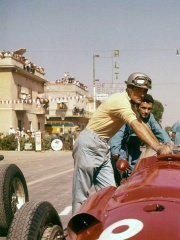
Giorgio Scarlatti
RACING DRIVER
1921 - 1990
HPI: 55.67
Rank: 3,712
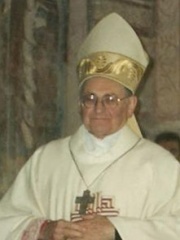
Giacomo Capuzzi
RELIGIOUS FIGURE
1929 - 2021
HPI: 55.66
Rank: 3,713
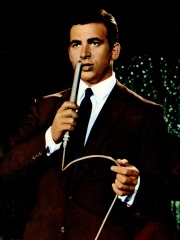
Maurizio Arena
ACTOR
1933 - 1979
HPI: 55.66
Rank: 3,714
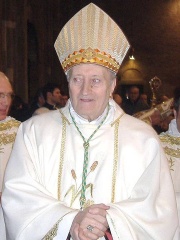
Giuseppe Merisi
RELIGIOUS FIGURE
1938 - Present
HPI: 55.66
Rank: 3,715
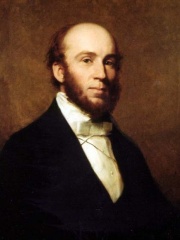
Charles Piazzi Smyth
ASTRONOMER
1819 - 1900
HPI: 55.64
Rank: 3,716
Among Singers In Italy
Among singers born in Italy, Jovanotti ranks 92. Before him are Gala (1975), Licia Albanese (1909), Valentina Monetta (1975), Daniela Dessì (1957), Anna Oxa (1961), and Den Harrow (1962). After him are Tiziano Ferro (1980), Mario Trevi (1941), Nunzio Gallo (1928), Fred Buscaglione (1921), Orietta Berti (1943), and Nada (1953).

Gala
1975 - Present
HPI: 56.57
Rank: 86
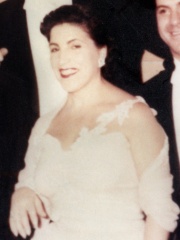
Licia Albanese
1909 - 2014
HPI: 56.37
Rank: 87

Valentina Monetta
1975 - Present
HPI: 56.33
Rank: 88
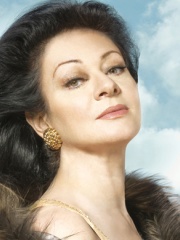
Daniela Dessì
1957 - 2016
HPI: 56.17
Rank: 89
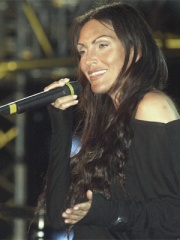
Anna Oxa
1961 - Present
HPI: 56.11
Rank: 90
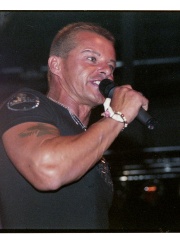
Den Harrow
1962 - Present
HPI: 55.78
Rank: 91
Jovanotti
1966 - Present
HPI: 55.69
Rank: 92

Tiziano Ferro
1980 - Present
HPI: 55.62
Rank: 93
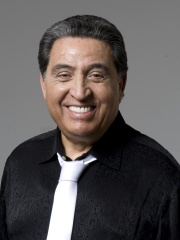
Mario Trevi
1941 - Present
HPI: 55.41
Rank: 94
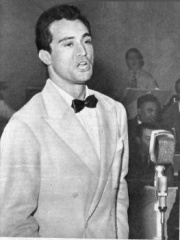
Nunzio Gallo
1928 - 2008
HPI: 55.26
Rank: 95
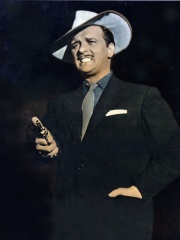
Fred Buscaglione
1921 - 1960
HPI: 55.17
Rank: 96
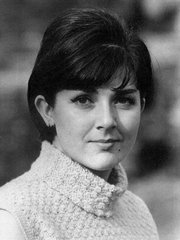
Orietta Berti
1943 - Present
HPI: 54.96
Rank: 97
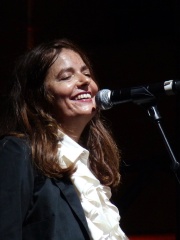
Nada
1953 - Present
HPI: 54.95
Rank: 98




