Athlet
Valeria Straneo
1976 - heute
DE.WIKIPEDIA-SEITENAUFRUFE (PV)
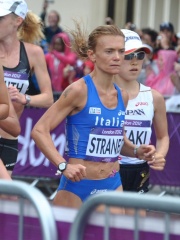
 Valeria Straneo
Ihre Biografie ist in 18 verschiedenen Sprachen auf Wikipedia verfügbar (gestiegen von 16 im Jahr 2024). Valeria Straneo ist die 4,589th beliebteste Athlet (gestiegen vom 4,835th im Jahr 2024), die 5,069th beliebteste Biografie aus Italien (gesunken vom 4,996th im Jahr 2019) und die 175th beliebteste aus Italien Athlet.
Bekanntheitsmetriken
4.5k
Seitenaufrufe
Letzte 12 Monate
41.49
HPI
Historischer Popularitätsindex
Daten-Einblicke
5. Apr.
Valeria Straneo hat am selben Tag Geburtstag (5. April) wie Thomas Hobbes, Pope Urban VIII und Joseph Lister.
Seitenaufrufe von Valeria Straneo nach Sprache
Unter Athlet
Unter Athlet belegt Valeria Straneo Rang 4,589 von 6,025. Vor ihr stehen Botond Storcz, Zdeněk Vítek, Bérengère Schuh, Aleen Bailey, Thomas Murray, und Elvis Gregory. Nach ihr folgen Chris Thompson, Rafael Macedo de la Concha, Seung-hwan Oh, Ferran Solé, Julius Yego, und Rodica Mateescu.
Die beliebtesten Athlet auf Wikipedia
Zu allen Ranglisten

Botond Storcz
1975 - heute
HPI: 41.52
Rang: 4,583
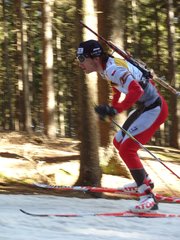
Zdeněk Vítek
1977 - heute
HPI: 41.52
Rang: 4,584

Bérengère Schuh
1984 - heute
HPI: 41.51
Rang: 4,585
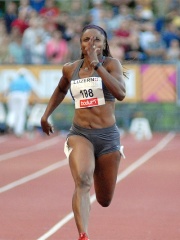
Aleen Bailey
1980 - heute
HPI: 41.51
Rang: 4,586

Thomas Murray
HPI: 41.50
Rang: 4,587

Elvis Gregory
1971 - heute
HPI: 41.50
Rang: 4,588
Valeria Straneo
1976 - heute
HPI: 41.49
Rang: 4,589

Chris Thompson
HPI: 41.49
Rang: 4,590

Rafael Macedo de la Concha
1950 - heute
HPI: 41.48
Rang: 4,591

Seung-hwan Oh
1982 - heute
HPI: 41.48
Rang: 4,592
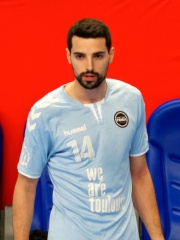
Ferran Solé
1992 - heute
HPI: 41.48
Rang: 4,593
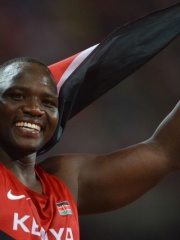
Julius Yego
1989 - heute
HPI: 41.47
Rang: 4,594

Rodica Mateescu
1971 - heute
HPI: 41.47
Rang: 4,595

Zeitgenossen
Unter den im Jahr 1976 Geborenen belegt Valeria Straneo Rang 1,015. Vor ihr stehen Oren Lavie, Kyrsten Sinema, Sandro Nicević, Jafar Irismetov, Moon Dae-sung, und Eddy Wata. Nach ihr folgen Koji Arimura, Leigh Nash, Michael P. Murphy, Anna Olsson, Noriko Anno, und Shin Asahina.
Weitere im Jahr 1976 Geborene
Zu allen Ranglisten
Oren Lavie
MUSICIAN
1976 - heute
HPI: 41.60
Rang: 1,009

Kyrsten Sinema
POLITICIAN
1976 - heute
HPI: 41.59
Rang: 1,010

Sandro Nicević
BASKETBALL PLAYER
1976 - heute
HPI: 41.59
Rang: 1,011

Jafar Irismetov
SOCCER PLAYER
1976 - heute
HPI: 41.56
Rang: 1,012

Moon Dae-sung
ATHLETE
1976 - heute
HPI: 41.54
Rang: 1,013

Eddy Wata
SINGER
1976 - heute
HPI: 41.53
Rang: 1,014
Valeria Straneo
ATHLETE
1976 - heute
HPI: 41.49
Rang: 1,015

Koji Arimura
SOCCER PLAYER
1976 - heute
HPI: 41.49
Rang: 1,016

Leigh Nash
SINGER
1976 - heute
HPI: 41.48
Rang: 1,017

Michael P. Murphy
MILITARY PERSONNEL
1976 - 2005
HPI: 41.47
Rang: 1,018
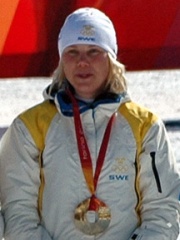
Anna Olsson
SKIER
1976 - heute
HPI: 41.46
Rang: 1,019

Noriko Anno
WRESTLER
1976 - heute
HPI: 41.45
Rang: 1,020

Shin Asahina
SOCCER PLAYER
1976 - heute
HPI: 41.44
Rang: 1,021
In Italien
Unter den in Italien Geborenen belegt Valeria Straneo Rang 5,069 von 5,161. Vor ihr stehen Giampaolo Caruso (1980), Roberto Petito (1971), Allison Miller (1985), Odette Giuffrida (1994), Denise Karbon (1980), und Francesco Gavazzi (1984). Nach ihr folgen Giuseppe Gibilisco (1979), Andrea Conti (1994), Laura Chiatti (1982), Alessandro Rosina (1984), Thomas Ceccon (2001), und Mattia Pasini (1985).
Weitere in Italien geborene Personen
Zu allen Ranglisten
Giampaolo Caruso
CYCLIST
1980 - heute
HPI: 41.54
Rang: 5,063

Roberto Petito
CYCLIST
1971 - heute
HPI: 41.53
Rang: 5,064

Allison Miller
ACTOR
1985 - heute
HPI: 41.52
Rang: 5,065
Odette Giuffrida
WRESTLER
1994 - heute
HPI: 41.52
Rang: 5,066

Denise Karbon
SKIER
1980 - heute
HPI: 41.52
Rang: 5,067

Francesco Gavazzi
CYCLIST
1984 - heute
HPI: 41.50
Rang: 5,068
Valeria Straneo
ATHLETE
1976 - heute
HPI: 41.49
Rang: 5,069
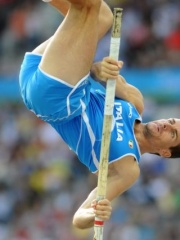
Giuseppe Gibilisco
ATHLETE
1979 - heute
HPI: 41.47
Rang: 5,070

Andrea Conti
SOCCER PLAYER
1994 - heute
HPI: 41.46
Rang: 5,071
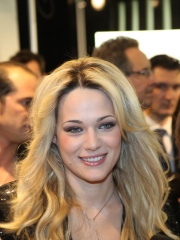
Laura Chiatti
ACTOR
1982 - heute
HPI: 41.45
Rang: 5,072
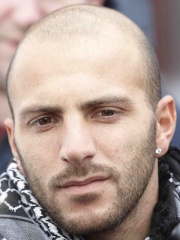
Alessandro Rosina
SOCCER PLAYER
1984 - heute
HPI: 41.38
Rang: 5,073
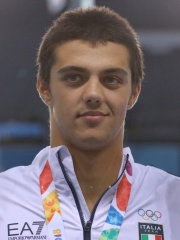
Thomas Ceccon
SWIMMER
2001 - heute
HPI: 41.38
Rang: 5,074
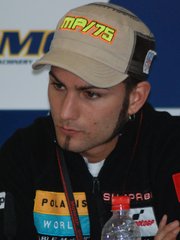
Mattia Pasini
RACING DRIVER
1985 - heute
HPI: 41.37
Rang: 5,075
Unter Athlet in Italien
Unter den in Italien geborenen Athlet belegt Valeria Straneo Rang 175. Vor ihr stehen Paolo Milanoli (1969), Matteo Bisiani (1978), Michela Ponza (1979), Patrick Favre (1972), Enea Bastianini (1997), und Alessandra Sensini (1970). Nach ihr folgen Giuseppe Gibilisco (1979), Giulia Quintavalle (1983), Simone Raineri (1977), Mauro Nespoli (1987), Davide Tizzano (1968), und Fabrizio Mori (1969).

Paolo Milanoli
1969 - heute
HPI: 41.98
Rang: 169

Matteo Bisiani
1978 - heute
HPI: 41.92
Rang: 170
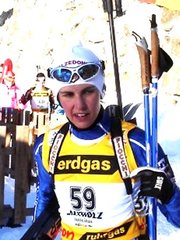
Michela Ponza
1979 - heute
HPI: 41.85
Rang: 171

Patrick Favre
1972 - heute
HPI: 41.77
Rang: 172
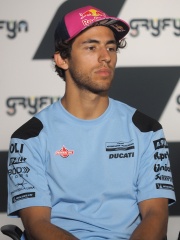
Enea Bastianini
1997 - heute
HPI: 41.77
Rang: 173
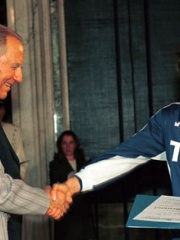
Alessandra Sensini
1970 - heute
HPI: 41.76
Rang: 174
Valeria Straneo
1976 - heute
HPI: 41.49
Rang: 175
Giuseppe Gibilisco
1979 - heute
HPI: 41.47
Rang: 176

Giulia Quintavalle
1983 - heute
HPI: 41.37
Rang: 177
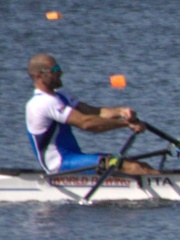
Simone Raineri
1977 - heute
HPI: 41.26
Rang: 178
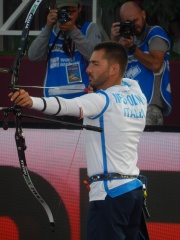
Mauro Nespoli
1987 - heute
HPI: 41.16
Rang: 179
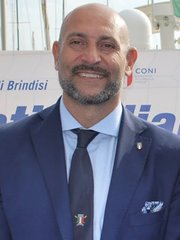
Davide Tizzano
1968 - 2025
HPI: 41.06
Rang: 180

Fabrizio Mori
1969 - heute
HPI: 41.00
Rang: 181




