Religiöse Persönlichkeit
Pedro Ignacio Wolcan Olano
1953 - heute
DE.WIKIPEDIA PAGE VIEWS (PV)

 Pedro Ignacio Wolcan Olano
Seine Biografie ist in 17 verschiedenen Sprachen auf Wikipedia verfügbar (gestiegen von 16 im Jahr 2024). Pedro Ignacio Wolcan Olano ist der 3,012th beliebteste Religiöse Persönlichkeit, die 237th beliebteste Biografie aus Uruguay (gestiegen vom 281st im Jahr 2019) und der 3rd beliebteste aus Uruguay Religiöse Persönlichkeit.
Memorability Metrics
1.4k
Page Views
Past 12 months
52.87
HPI
Historical Popularity Index
Page views of Pedro Ignacio Wolcan Olano by language
Among Religiöse Persönlichkeits
Among religiöse persönlichkeits, Pedro Ignacio Wolcan Olano ranks 3,012 out of 3,187. Before him are Bilal Philips, Domenico Battaglia, François Bustillo, Cosmo Gordon Lang, Alvin Sargent, and José Humberto Quintero Parra. After him are Aimee Semple McPherson, Thirteen Assyrian Fathers, Sajida al-Rishawi, Mirza Tahir Ahmad, Wenceslao Padilla, and Demophilus of Constantinople.
Most Popular Religiöse Persönlichkeits in Wikipedia
Go to all Rankings
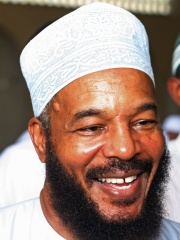
Bilal Philips
1947 - Present
HPI: 52.97
Rank: 3,006
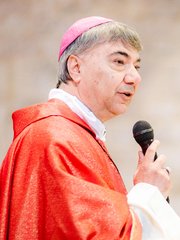
Domenico Battaglia
1963 - Present
HPI: 52.96
Rank: 3,007
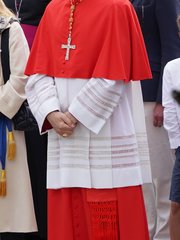
François Bustillo
1968 - Present
HPI: 52.94
Rank: 3,008
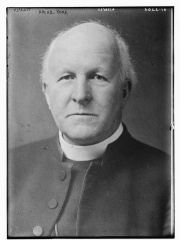
Cosmo Gordon Lang
1864 - 1945
HPI: 52.93
Rank: 3,009
Alvin Sargent
1927 - 2019
HPI: 52.93
Rank: 3,010
José Humberto Quintero Parra
1902 - 1984
HPI: 52.88
Rank: 3,011
Pedro Ignacio Wolcan Olano
1953 - Present
HPI: 52.87
Rank: 3,012
Aimee Semple McPherson
1890 - 1944
HPI: 52.85
Rank: 3,013

Thirteen Assyrian Fathers
HPI: 52.79
Rank: 3,014

Sajida al-Rishawi
1970 - 2015
HPI: 52.76
Rank: 3,015

Mirza Tahir Ahmad
1928 - 2003
HPI: 52.76
Rank: 3,016

Wenceslao Padilla
1949 - 2018
HPI: 52.74
Rank: 3,017

Demophilus of Constantinople
HPI: 52.73
Rank: 3,018

Contemporaries
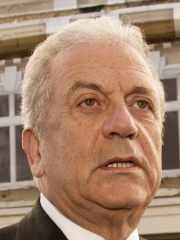
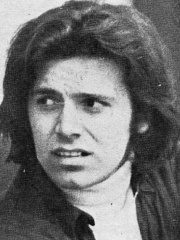
Among people born in 1953, Pedro Ignacio Wolcan Olano ranks 470. Before him are Mehdi Cerbah, Sharon Robinson, Giannina Braschi, Vlastimil Petržela, Katsuya Okada, and Dimitris Avramopoulos. After him are John Edwards, Paco Herrera, Vijay Amritraj, Lamberto Leoni, James Smith, and Ellen S. Baker.
Others Born in 1953
Go to all Rankings
Mehdi Cerbah
SOCCER PLAYER
1953 - 2021
HPI: 53.03
Rank: 464

Sharon Robinson
SINGER
1953 - Present
HPI: 53.02
Rank: 465

Giannina Braschi
WRITER
1953 - Present
HPI: 53.02
Rank: 466

Vlastimil Petržela
SOCCER PLAYER
1953 - Present
HPI: 53.00
Rank: 467
Katsuya Okada
POLITICIAN
1953 - Present
HPI: 53.00
Rank: 468
Dimitris Avramopoulos
POLITICIAN
1953 - Present
HPI: 52.89
Rank: 469
Pedro Ignacio Wolcan Olano
RELIGIOUS FIGURE
1953 - Present
HPI: 52.87
Rank: 470

John Edwards
POLITICIAN
1953 - Present
HPI: 52.86
Rank: 471

Paco Herrera
SOCCER PLAYER
1953 - Present
HPI: 52.81
Rank: 472

Vijay Amritraj
ACTOR
1953 - Present
HPI: 52.81
Rank: 473
Lamberto Leoni
RACING DRIVER
1953 - Present
HPI: 52.80
Rank: 474

James Smith
BOXER
1953 - Present
HPI: 52.77
Rank: 475

Ellen S. Baker
PHYSICIAN
1953 - Present
HPI: 52.76
Rank: 476
In Uruguay
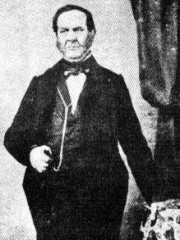
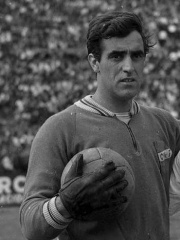
Among people born in Uruguay, Pedro Ignacio Wolcan Olano ranks 237 out of NaN. Before him are Juan Rodríguez (1928), Francisco Acuña de Figueroa (1790), Roberto Sosa (1935), Maxi Pereira (1984), Jorge Manicera (1938), and Cristhian Stuani (1986). After him are Luis Ubiña (1940), Lucas Torreira (1996), Fabián O'Neill (1973), Luca Barbareschi (1956), Alberto Héber Usher (1918), and Luisa Cuesta (1920).
Others born in Uruguay
Go to all Rankings
Juan Rodríguez
ATHLETE
1928 - 2019
HPI: 53.25
Rank: 231
Francisco Acuña de Figueroa
WRITER
1790 - 1862
HPI: 53.04
Rank: 232
Roberto Sosa
SOCCER PLAYER
1935 - 2008
HPI: 53.01
Rank: 233

Maxi Pereira
SOCCER PLAYER
1984 - Present
HPI: 52.97
Rank: 234

Jorge Manicera
SOCCER PLAYER
1938 - 2012
HPI: 52.94
Rank: 235

Cristhian Stuani
SOCCER PLAYER
1986 - Present
HPI: 52.88
Rank: 236
Pedro Ignacio Wolcan Olano
RELIGIOUS FIGURE
1953 - Present
HPI: 52.87
Rank: 237
Luis Ubiña
SOCCER PLAYER
1940 - 2013
HPI: 52.86
Rank: 238

Lucas Torreira
SOCCER PLAYER
1996 - Present
HPI: 52.77
Rank: 239

Fabián O'Neill
SOCCER PLAYER
1973 - 2022
HPI: 52.73
Rank: 240

Luca Barbareschi
ACTOR
1956 - Present
HPI: 52.72
Rank: 241
Alberto Héber Usher
POLITICIAN
1918 - 1981
HPI: 52.71
Rank: 242

Luisa Cuesta
SOCIAL ACTIVIST
1920 - 2018
HPI: 52.59
Rank: 243
Among Religiöse Persönlichkeits In Uruguay
Among religiöse persönlichkeits born in Uruguay, Pedro Ignacio Wolcan Olano ranks 3. Before him are Daniel Sturla (1959), and Antonio María Barbieri (1892).
Daniel Sturla
1959 - Present
HPI: 58.12
Rank: 1

Antonio María Barbieri
1892 - 1979
HPI: 57.67
Rank: 2
Pedro Ignacio Wolcan Olano
1953 - Present
HPI: 52.87
Rank: 3




