Politiker
Julio Cobos
1955 - heute
DE.WIKIPEDIA-SEITENAUFRUFE (PV)
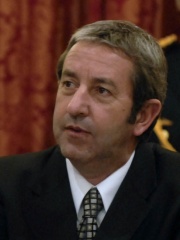
 Julio Cobos
Seine Biografie ist in 17 verschiedenen Sprachen auf Wikipedia verfügbar. Julio Cobos ist der 17,341st beliebteste Politiker (gesunken vom 16,669th im Jahr 2024), die 654th beliebteste Biografie aus Argentinien (gesunken vom 632nd im Jahr 2019) und der 89th beliebteste aus Argentinien Politiker.
Bekanntheitsmetriken
33k
Seitenaufrufe
Letzte 12 Monate
51.28
HPI
Historischer Popularitätsindex
Seitenaufrufe von Julio Cobos nach Sprache
Unter Politiker
Unter Politiker belegt Julio Cobos Rang 17,334 von 19,576. Vor ihm stehen Ana Palacio, Kristina Šmigun-Vähi, Barbara Jordan, Horatio Seymour, Igor Lukšić, und Alexander Alexandrovich Volkov. Nach ihm folgen Arthur Foulkes, Bob Kerrey, Martinho Ndafa Kabi, Kurt Hager, Katrin Göring-Eckardt, und Francia Márquez.
Die beliebtesten Politiker auf Wikipedia
Zu allen Ranglisten
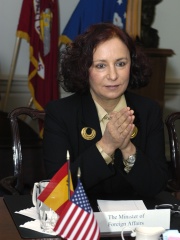
Ana Palacio
1948 - heute
HPI: 51.30
Rang: 17,335
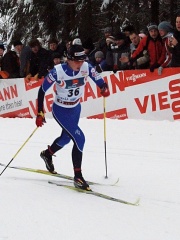
Kristina Šmigun-Vähi
1977 - heute
HPI: 51.30
Rang: 17,336
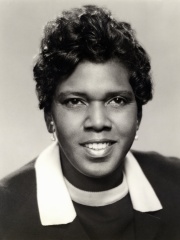
Barbara Jordan
1936 - 1996
HPI: 51.30
Rang: 17,337
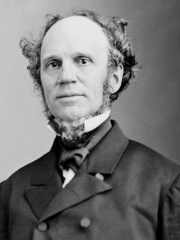
Horatio Seymour
1810 - 1886
HPI: 51.29
Rang: 17,338
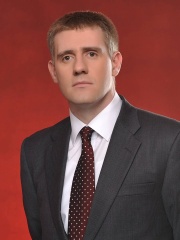
Igor Lukšić
1976 - heute
HPI: 51.29
Rang: 17,339
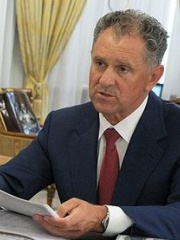
Alexander Alexandrovich Volkov
1951 - 2017
HPI: 51.28
Rang: 17,340
Julio Cobos
1955 - heute
HPI: 51.28
Rang: 17,341
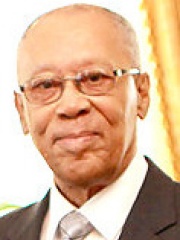
Arthur Foulkes
1928 - heute
HPI: 51.28
Rang: 17,342
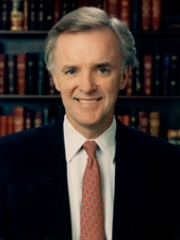
Bob Kerrey
1943 - heute
HPI: 51.28
Rang: 17,343

Martinho Ndafa Kabi
1957 - heute
HPI: 51.27
Rang: 17,344
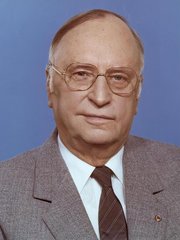
Kurt Hager
1912 - 1998
HPI: 51.27
Rang: 17,345
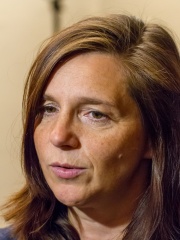
Katrin Göring-Eckardt
1966 - heute
HPI: 51.27
Rang: 17,346
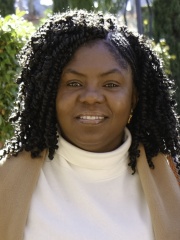
Francia Márquez
1981 - heute
HPI: 51.27
Rang: 17,347

Zeitgenossen
Unter den im Jahr 1955 Geborenen belegt Julio Cobos Rang 542. Vor ihm stehen Zbigniew Rau, Detlef Michel, Diana Scarwid, Jan Hoffmann, Heidi Hautala, und Afag Bashirgyzy. Nach ihm folgen Karl-Heinz Bußert, Pavel Složil, Peter McNamara, Armin Rohde, Aleksandras Abišala, und Naomi Munakata.
Weitere im Jahr 1955 Geborene
Zu allen Ranglisten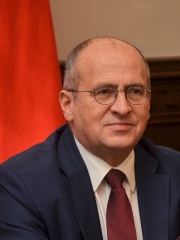
Zbigniew Rau
POLITICIAN
1955 - heute
HPI: 51.40
Rang: 536
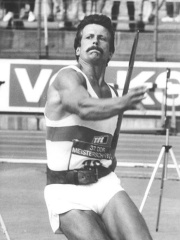
Detlef Michel
ATHLETE
1955 - heute
HPI: 51.36
Rang: 537

Diana Scarwid
ACTOR
1955 - heute
HPI: 51.36
Rang: 538
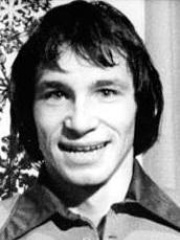
Jan Hoffmann
SKATER
1955 - heute
HPI: 51.35
Rang: 539

Heidi Hautala
POLITICIAN
1955 - heute
HPI: 51.35
Rang: 540
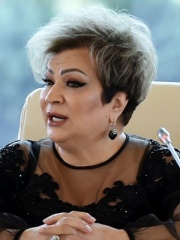
Afag Bashirgyzy
ACTOR
1955 - heute
HPI: 51.30
Rang: 541
Julio Cobos
POLITICIAN
1955 - heute
HPI: 51.28
Rang: 542
Karl-Heinz Bußert
ATHLETE
1955 - heute
HPI: 51.25
Rang: 543

Pavel Složil
TENNIS PLAYER
1955 - heute
HPI: 51.24
Rang: 544
Peter McNamara
TENNIS PLAYER
1955 - 2019
HPI: 51.22
Rang: 545

Armin Rohde
ACTOR
1955 - heute
HPI: 51.19
Rang: 546

Aleksandras Abišala
POLITICIAN
1955 - heute
HPI: 51.18
Rang: 547
Naomi Munakata
MUSICIAN
1955 - 2020
HPI: 51.11
Rang: 548
In Argentinien
Unter den in Argentinien Geborenen belegt Julio Cobos Rang 654 von NaN. Vor ihm stehen Guillermo Lovell (1918), Julio Bolbochán (1920), Mariano Puerta (1978), Raúl Lozano (1956), Luis Scola (1980), und Daniel Castellani (1961). Nach ihm folgen Maria Verónica Reina (1964), Jesús Iglesias (1922), Héctor Zelada (1957), Luisana Lopilato (1987), Sergio Omar Almirón (1958), und Patricio Hernández (1956).
Weitere in Argentinien geborene Personen
Zu allen Ranglisten
Guillermo Lovell
BOXER
1918 - 1967
HPI: 51.49
Rang: 648
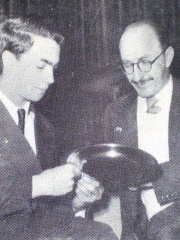
Julio Bolbochán
CHESS PLAYER
1920 - 1996
HPI: 51.39
Rang: 649

Mariano Puerta
TENNIS PLAYER
1978 - heute
HPI: 51.30
Rang: 650

Raúl Lozano
COACH
1956 - heute
HPI: 51.29
Rang: 651

Luis Scola
BASKETBALL PLAYER
1980 - heute
HPI: 51.28
Rang: 652
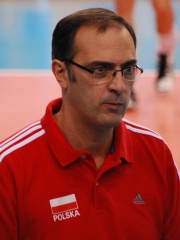
Daniel Castellani
VOLLEYBALL PLAYER
1961 - 2026
HPI: 51.28
Rang: 653
Julio Cobos
POLITICIAN
1955 - heute
HPI: 51.28
Rang: 654

Maria Verónica Reina
SOCIAL ACTIVIST
1964 - 2017
HPI: 51.28
Rang: 655
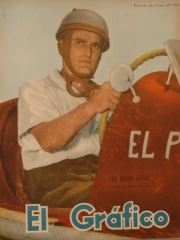
Jesús Iglesias
RACING DRIVER
1922 - 2005
HPI: 51.11
Rang: 656
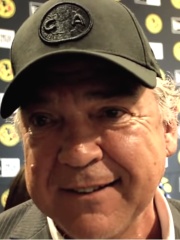
Héctor Zelada
SOCCER PLAYER
1957 - heute
HPI: 51.07
Rang: 657
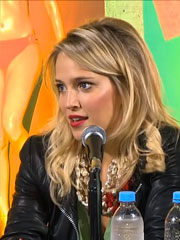
Luisana Lopilato
ACTOR
1987 - heute
HPI: 51.06
Rang: 658
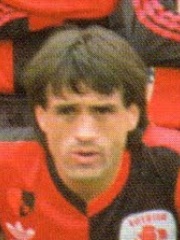
Sergio Omar Almirón
SOCCER PLAYER
1958 - heute
HPI: 51.06
Rang: 659
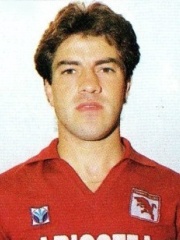
Patricio Hernández
SOCCER PLAYER
1956 - heute
HPI: 51.06
Rang: 660
Unter Politiker in Argentinien
Unter den in Argentinien geborenen Politiker belegt Julio Cobos Rang 89. Vor ihm stehen Duncan Stewart (1833), Luis Alberto Riart (1880), José María Linares (1808), Manuel Gondra (1871), Gabriela Michetti (1965), und Sergio Massa (1972). Nach ihm folgen Amado Boudou (1962), Elisa Carrió (1956), Davor Ivo Stier (1972), Cecilia Rognoni (1976), Pablo Echenique (1978), und Carlos Espínola (1971).
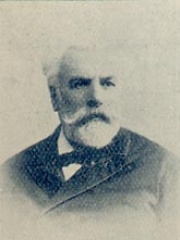
Duncan Stewart
1833 - 1923
HPI: 54.21
Rang: 83
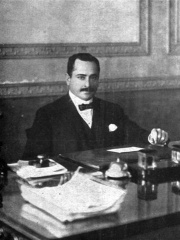
Luis Alberto Riart
1880 - 1953
HPI: 54.20
Rang: 84
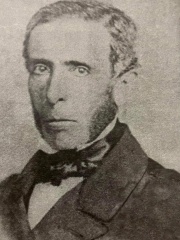
José María Linares
1808 - 1861
HPI: 54.09
Rang: 85
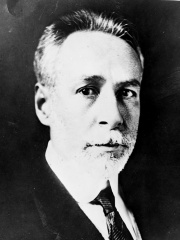
Manuel Gondra
1871 - 1927
HPI: 53.71
Rang: 86
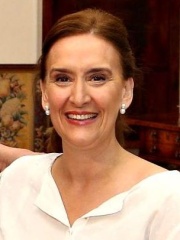
Gabriela Michetti
1965 - heute
HPI: 52.07
Rang: 87
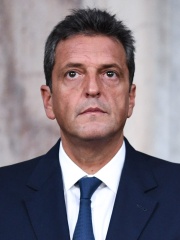
Sergio Massa
1972 - heute
HPI: 51.80
Rang: 88
Julio Cobos
1955 - heute
HPI: 51.28
Rang: 89
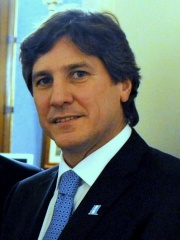
Amado Boudou
1962 - heute
HPI: 50.07
Rang: 90
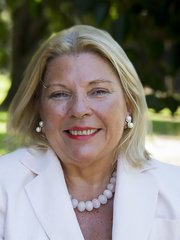
Elisa Carrió
1956 - heute
HPI: 47.85
Rang: 91

Davor Ivo Stier
1972 - heute
HPI: 43.47
Rang: 92
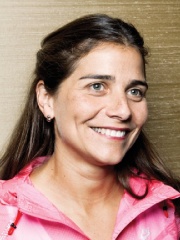
Cecilia Rognoni
1976 - heute
HPI: 41.77
Rang: 93

Pablo Echenique
1978 - heute
HPI: 40.18
Rang: 94
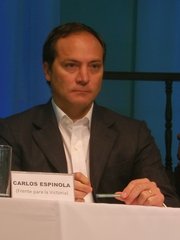
Carlos Espínola
1971 - heute
HPI: 39.08
Rang: 95




