Politiker
Hervé de Charette
1938 - heute
DE.WIKIPEDIA-SEITENAUFRUFE (PV)

 Hervé de Charette
Seine Biografie ist in 17 verschiedenen Sprachen auf Wikipedia verfügbar (gestiegen von 16 im Jahr 2024). Hervé de Charette ist der 15,596th beliebteste Politiker (gesunken vom 15,469th im Jahr 2024), die 4,741st beliebteste Biografie aus Frankreich (gestiegen vom 4,753rd im Jahr 2019) und der 872nd beliebteste aus Frankreich Politiker.
Bekanntheitsmetriken
12k
Seitenaufrufe
Letzte 12 Monate
54.81
HPI
Historischer Popularitätsindex
Daten-Einblicke
30. Juli
Hervé de Charette hat am selben Tag Geburtstag (30. Juli) wie Arnold Schwarzenegger, Henry Ford und Giorgio Vasari.
Seitenaufrufe von Hervé de Charette nach Sprache
Unter Politiker
Unter Politiker belegt Hervé de Charette Rang 15,589 von 19,576. Vor ihm stehen Riyad Farid Hijab, Máximo Tajes, Li Shangfu, José Manuel García-Margallo, Lazarus Salii, und Lorenzo Latorre. Nach ihm folgen Andriy Yermak, Carlo Nordio, Frans Andriessen, George Tenet, Sidney Herbert, 1st Baron Herbert of Lea, und Qiao Guanhua.
Die beliebtesten Politiker auf Wikipedia
Zu allen Ranglisten
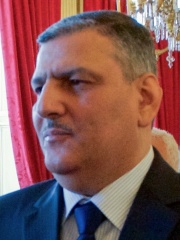
Riyad Farid Hijab
1966 - heute
HPI: 54.81
Rang: 15,590
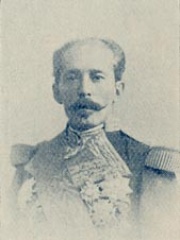
Máximo Tajes
1852 - 1912
HPI: 54.81
Rang: 15,591

Li Shangfu
1958 - heute
HPI: 54.81
Rang: 15,592
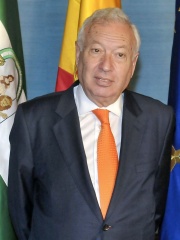
José Manuel García-Margallo
1944 - heute
HPI: 54.81
Rang: 15,593
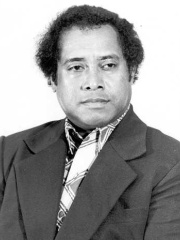
Lazarus Salii
1936 - 1988
HPI: 54.81
Rang: 15,594
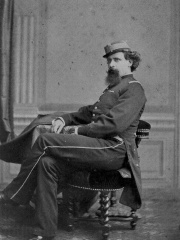
Lorenzo Latorre
1844 - 1916
HPI: 54.81
Rang: 15,595
Hervé de Charette
1938 - heute
HPI: 54.81
Rang: 15,596
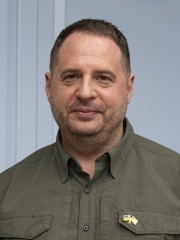
Andriy Yermak
1971 - heute
HPI: 54.80
Rang: 15,597
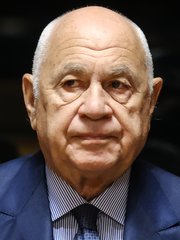
Carlo Nordio
1947 - heute
HPI: 54.80
Rang: 15,598
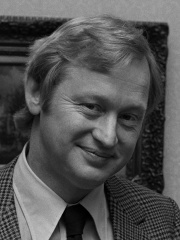
Frans Andriessen
1929 - 2019
HPI: 54.80
Rang: 15,599
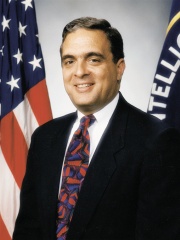
George Tenet
1953 - heute
HPI: 54.80
Rang: 15,600
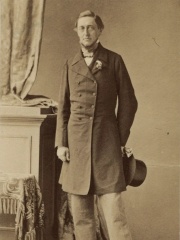
Sidney Herbert, 1st Baron Herbert of Lea
1810 - 1861
HPI: 54.79
Rang: 15,601

Qiao Guanhua
1913 - 1983
HPI: 54.79
Rang: 15,602

Zeitgenossen
Unter den im Jahr 1938 Geborenen belegt Hervé de Charette Rang 472. Vor ihm stehen Gimax, Michael Bar-Zohar, Nicolás Ardito Barletta Vallarino, Aleksandar Kozlina, Jean-Marie Doré, und Richard Meade. Nach ihm folgen Yevgeny Nesterenko, Boris Lagutin, Richard Dürr, Klaus Töpfer, Fritz d'Orey, und Barbara Wagner.
Weitere im Jahr 1938 Geborene
Zu allen Ranglisten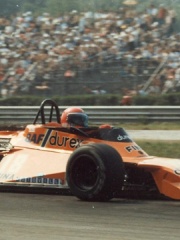
Gimax
RACING DRIVER
1938 - 2021
HPI: 54.97
Rang: 466
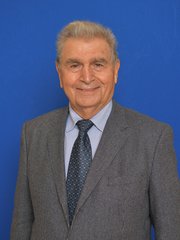
Michael Bar-Zohar
POLITICIAN
1938 - heute
HPI: 54.95
Rang: 467
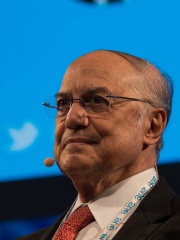
Nicolás Ardito Barletta Vallarino
POLITICIAN
1938 - heute
HPI: 54.93
Rang: 468

Aleksandar Kozlina
SOCCER PLAYER
1938 - 2013
HPI: 54.87
Rang: 469

Jean-Marie Doré
POLITICIAN
1938 - 2016
HPI: 54.86
Rang: 470
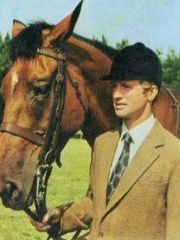
Richard Meade
ATHLETE
1938 - 2015
HPI: 54.84
Rang: 471
Hervé de Charette
POLITICIAN
1938 - heute
HPI: 54.81
Rang: 472

Yevgeny Nesterenko
SINGER
1938 - 2021
HPI: 54.78
Rang: 473
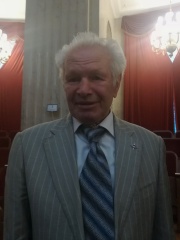
Boris Lagutin
BOXER
1938 - 2022
HPI: 54.78
Rang: 474

Richard Dürr
SOCCER PLAYER
1938 - 2014
HPI: 54.75
Rang: 475
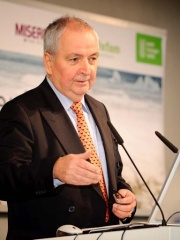
Klaus Töpfer
POLITICIAN
1938 - 2024
HPI: 54.65
Rang: 476

Fritz d'Orey
RACING DRIVER
1938 - 2020
HPI: 54.59
Rang: 477

Barbara Wagner
SKATER
1938 - heute
HPI: 54.56
Rang: 478
In Frankreich
Unter den in Frankreich Geborenen belegt Hervé de Charette Rang 4,741 von 6,770. Vor ihm stehen Achille Souchard (1900), Claude Mauriac (1914), Pierre Adam (1924), Dominique Dropsy (1951), Georges Tainturier (1890), und Paul Winter (1906). Nach ihm folgen Mikaël Silvestre (1977), Jacques Laurent (1919), James Dwight (1852), Louis Guilloux (1899), Marjorie Noël (1945), und Caroline Cellier (1945).
Weitere in Frankreich geborene Personen
Zu allen Ranglisten
Achille Souchard
ATHLETE
1900 - 1976
HPI: 54.85
Rang: 4,735

Claude Mauriac
WRITER
1914 - 1996
HPI: 54.84
Rang: 4,736

Pierre Adam
CYCLIST
1924 - 2012
HPI: 54.84
Rang: 4,737
Dominique Dropsy
SOCCER PLAYER
1951 - 2015
HPI: 54.84
Rang: 4,738
Georges Tainturier
FENCER
1890 - 1943
HPI: 54.82
Rang: 4,739
Paul Winter
ATHLETE
1906 - 1992
HPI: 54.81
Rang: 4,740
Hervé de Charette
POLITICIAN
1938 - heute
HPI: 54.81
Rang: 4,741
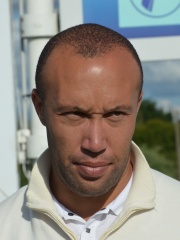
Mikaël Silvestre
SOCCER PLAYER
1977 - heute
HPI: 54.79
Rang: 4,742

Jacques Laurent
WRITER
1919 - 2000
HPI: 54.79
Rang: 4,743
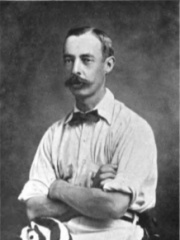
James Dwight
TENNIS PLAYER
1852 - 1917
HPI: 54.78
Rang: 4,744
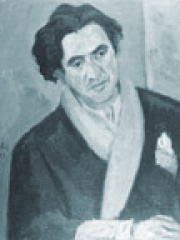
Louis Guilloux
WRITER
1899 - 1980
HPI: 54.76
Rang: 4,745
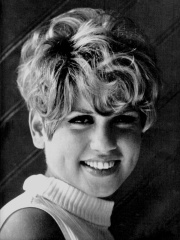
Marjorie Noël
SINGER
1945 - 2000
HPI: 54.76
Rang: 4,746

Caroline Cellier
ACTOR
1945 - 2020
HPI: 54.76
Rang: 4,747
Unter Politiker in Frankreich
Unter den in Frankreich geborenen Politiker belegt Hervé de Charette Rang 872. Vor ihm stehen François Asselineau (1957), Hubert Védrine (1947), Nicolas Alfonsi (1936), Valérie Pécresse (1967), Serge Telle (1955), und Victor Duruy (1811). Nach ihm folgen Alain Krivine (1941), Robert Buron (1910), Jean-Louis Borloo (1951), Alphonse Henri d'Hautpoul (1789), Pierre Moscovici (1957), und Michel Sapin (1952).
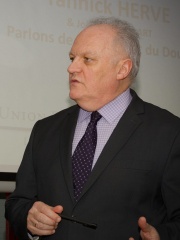
François Asselineau
1957 - heute
HPI: 55.23
Rang: 866
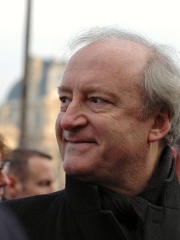
Hubert Védrine
1947 - heute
HPI: 55.17
Rang: 867

Nicolas Alfonsi
1936 - 2020
HPI: 55.06
Rang: 868
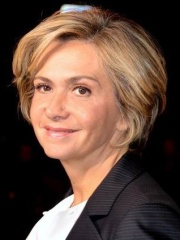
Valérie Pécresse
1967 - heute
HPI: 54.98
Rang: 869
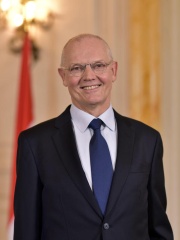
Serge Telle
1955 - heute
HPI: 54.93
Rang: 870
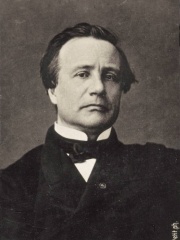
Victor Duruy
1811 - 1894
HPI: 54.92
Rang: 871
Hervé de Charette
1938 - heute
HPI: 54.81
Rang: 872
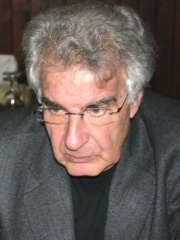
Alain Krivine
1941 - 2022
HPI: 54.74
Rang: 873
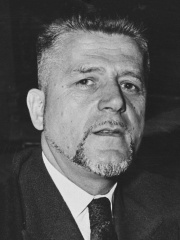
Robert Buron
1910 - 1973
HPI: 54.72
Rang: 874
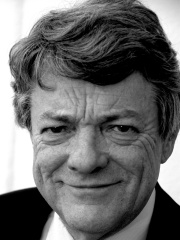
Jean-Louis Borloo
1951 - heute
HPI: 54.66
Rang: 875
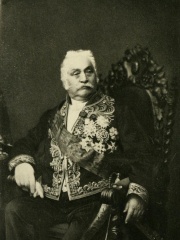
Alphonse Henri d'Hautpoul
1789 - 1865
HPI: 54.60
Rang: 876

Pierre Moscovici
1957 - heute
HPI: 54.53
Rang: 877
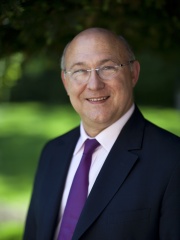
Michel Sapin
1952 - heute
HPI: 54.49
Rang: 878




