Politiker
Fernando Haddad
1963 - heute
DE.WIKIPEDIA-SEITENAUFRUFE (PV)
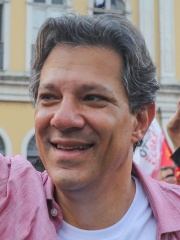

 Fernando Haddad
Seine Biografie ist in 26 verschiedenen Sprachen auf Wikipedia verfügbar (gestiegen von 25 im Jahr 2024). Fernando Haddad ist der 15,369th beliebteste Politiker (gesunken vom 15,135th im Jahr 2024), die 643rd beliebteste Biografie aus Brasilien (gesunken vom 636th im Jahr 2019) und der 70th beliebteste aus Brasilien Politiker.
Bekanntheitsmetriken
240k
Seitenaufrufe
Letzte 12 Monate
55.19
HPI
Historischer Popularitätsindex
Daten-Einblicke
26
Die Biografie von Fernando Haddad umfasst 26 Sprachversionen der Wikipedia und erreicht einen Historischen Popularitätsindex von 55.19.
Seitenaufrufe von Fernando Haddad nach Sprache
Unter Politiker
Unter Politiker belegt Fernando Haddad Rang 15,362 von 20,022. Vor ihm stehen Orrin Hatch, Mudar Badran, Ariarathes VIII of Cappadocia, Mohamed Wali Akeik, Marco Aurelio Soto, und Małgorzata Kidawa-Błońska. Nach ihm folgen Ptolemy of Epirus, Franco Marini, Serapio Calderón, Masha Bruskina, Hermann Jónasson, und Hubert Védrine.
Die beliebtesten Politiker auf Wikipedia
Zu allen Ranglisten
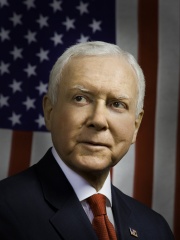
Orrin Hatch
1934 - 2022
HPI: 55.20
Rang: 15,363
Mudar Badran
1934 - 2023
HPI: 55.20
Rang: 15,364
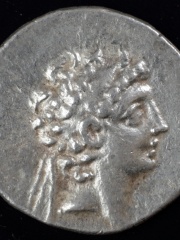
Ariarathes VIII of Cappadocia
101 BC - 1 BC
HPI: 55.19
Rang: 15,365

Mohamed Wali Akeik
1950 - heute
HPI: 55.19
Rang: 15,366
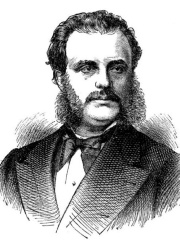
Marco Aurelio Soto
1846 - 1908
HPI: 55.19
Rang: 15,367
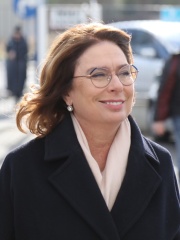
Małgorzata Kidawa-Błońska
1957 - heute
HPI: 55.19
Rang: 15,368
Fernando Haddad
1963 - heute
HPI: 55.19
Rang: 15,369

Ptolemy of Epirus
300 BC - 300 BC
HPI: 55.19
Rang: 15,370
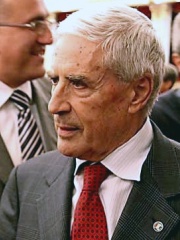
Franco Marini
1933 - 2021
HPI: 55.19
Rang: 15,371
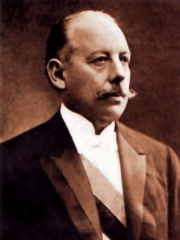
Serapio Calderón
1843 - 1922
HPI: 55.17
Rang: 15,372
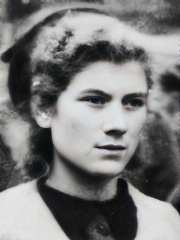
Masha Bruskina
1924 - 1941
HPI: 55.17
Rang: 15,373
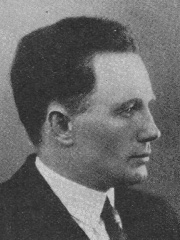
Hermann Jónasson
1896 - 1976
HPI: 55.17
Rang: 15,374
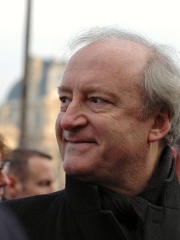
Hubert Védrine
1947 - heute
HPI: 55.17
Rang: 15,375

Zeitgenossen
Unter den im Jahr 1963 Geborenen belegt Fernando Haddad Rang 311. Vor ihm stehen Kevin Smith, Kalusha Bwalya, Dylan Walsh, Mohamed Ould Bilal, Hans Gillhaus, und Tracey Emin. Nach ihm folgen Gamal Mubarak, Vasile Tarlev, Aslan Bzhania, Slobodan Živojinović, Yann Martel, und Javier Perez-Capdevila.
Weitere im Jahr 1963 Geborene
Zu allen Ranglisten
Kevin Smith
ACTOR
1963 - 2002
HPI: 55.41
Rang: 305

Kalusha Bwalya
SOCCER PLAYER
1963 - heute
HPI: 55.40
Rang: 306

Dylan Walsh
ACTOR
1963 - heute
HPI: 55.34
Rang: 307
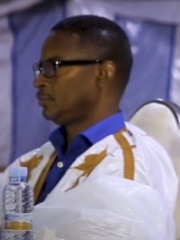
Mohamed Ould Bilal
POLITICIAN
1963 - heute
HPI: 55.32
Rang: 308
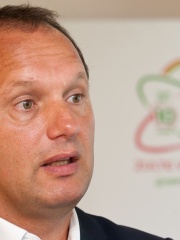
Hans Gillhaus
SOCCER PLAYER
1963 - heute
HPI: 55.32
Rang: 309
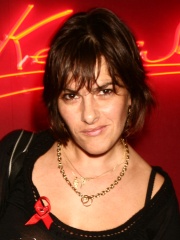
Tracey Emin
PAINTER
1963 - heute
HPI: 55.31
Rang: 310
Fernando Haddad
POLITICIAN
1963 - heute
HPI: 55.19
Rang: 311
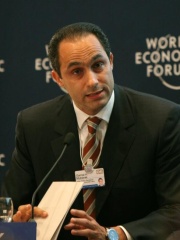
Gamal Mubarak
POLITICIAN
1963 - heute
HPI: 55.17
Rang: 312
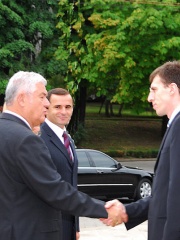
Vasile Tarlev
POLITICIAN
1963 - heute
HPI: 55.16
Rang: 313
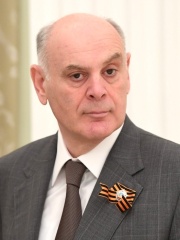
Aslan Bzhania
POLITICIAN
1963 - heute
HPI: 55.12
Rang: 314

Slobodan Živojinović
TENNIS PLAYER
1963 - heute
HPI: 55.11
Rang: 315

Yann Martel
WRITER
1963 - heute
HPI: 55.07
Rang: 316
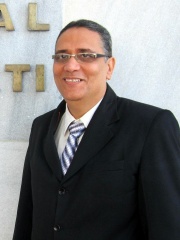
Javier Perez-Capdevila
MATHEMATICIAN
1963 - heute
HPI: 55.05
Rang: 317
In Brasilien
Unter den in Brasilien Geborenen belegt Fernando Haddad Rang 643 von 2,779. Vor ihm stehen Carlos Latuff (1968), José dos Santos Lopes (1910), Américo Castro (1885), Naldo (1982), Elano (1981), und Giovanni Silva de Oliveira (1972). Nach ihm folgen Carlos Alberto Dias (1967), Adãozinho (1923), Michel Teló (1981), Jaime Spengler (1960), Alex Telles (1992), und Nariz (1912).
Weitere in Brasilien geborene Personen
Zu allen Ranglisten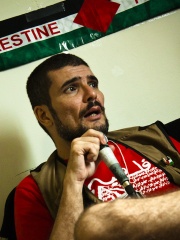
Carlos Latuff
PAINTER
1968 - heute
HPI: 55.27
Rang: 637

José dos Santos Lopes
SOCCER PLAYER
1910 - 1996
HPI: 55.25
Rang: 638

Américo Castro
HISTORIAN
1885 - 1972
HPI: 55.24
Rang: 639
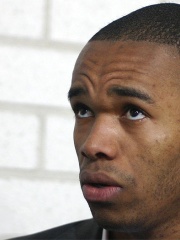
Naldo
SOCCER PLAYER
1982 - heute
HPI: 55.24
Rang: 640

Elano
SOCCER PLAYER
1981 - heute
HPI: 55.23
Rang: 641
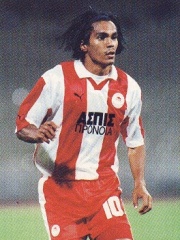
Giovanni Silva de Oliveira
SOCCER PLAYER
1972 - heute
HPI: 55.22
Rang: 642
Fernando Haddad
POLITICIAN
1963 - heute
HPI: 55.19
Rang: 643

Carlos Alberto Dias
SOCCER PLAYER
1967 - heute
HPI: 55.15
Rang: 644

Adãozinho
SOCCER PLAYER
1923 - 1991
HPI: 55.14
Rang: 645

Michel Teló
SINGER
1981 - heute
HPI: 55.12
Rang: 646
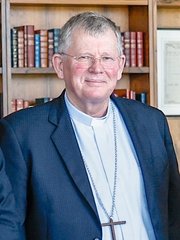
Jaime Spengler
RELIGIOUS FIGURE
1960 - heute
HPI: 55.11
Rang: 647
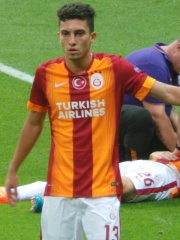
Alex Telles
SOCCER PLAYER
1992 - heute
HPI: 55.11
Rang: 648

Nariz
SOCCER PLAYER
1912 - 1984
HPI: 55.05
Rang: 649
Unter Politiker in Brasilien
Unter den in Brasilien geborenen Politiker belegt Fernando Haddad Rang 70. Vor ihm stehen Paulo Maluf (1931), José Paranhos, Viscount of Rio Branco (1819), Celso Amorim (1942), João Pinheiro Chagas (1863), Joaquim Nabuco (1849), und Cecília Meireles (1901). Nach ihm folgen Hamilton Mourão (1953), Ricardo Teixeira (1947), Augusto Pestana (1868), Marco Maciel (1940), Augusto Hamann Rademaker Grünewald (1905), und Alexandre de Moraes (1968).
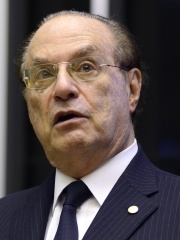
Paulo Maluf
1931 - heute
HPI: 56.28
Rang: 64
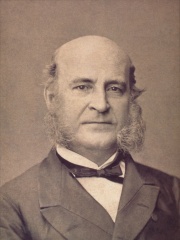
José Paranhos, Viscount of Rio Branco
1819 - 1880
HPI: 56.17
Rang: 65
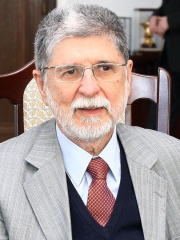
Celso Amorim
1942 - heute
HPI: 55.96
Rang: 66
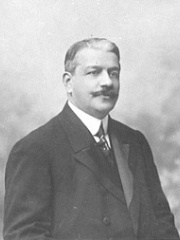
João Pinheiro Chagas
1863 - 1925
HPI: 55.58
Rang: 67
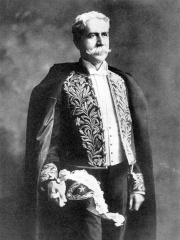
Joaquim Nabuco
1849 - 1910
HPI: 55.56
Rang: 68
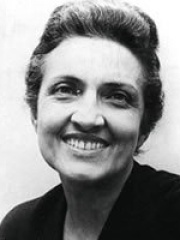
Cecília Meireles
1901 - 1964
HPI: 55.44
Rang: 69
Fernando Haddad
1963 - heute
HPI: 55.19
Rang: 70
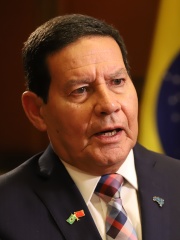
Hamilton Mourão
1953 - heute
HPI: 54.89
Rang: 71
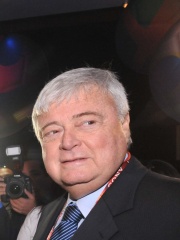
Ricardo Teixeira
1947 - heute
HPI: 54.83
Rang: 72
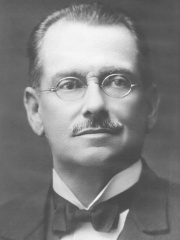
Augusto Pestana
1868 - 1934
HPI: 54.26
Rang: 73
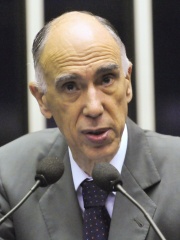
Marco Maciel
1940 - 2021
HPI: 54.23
Rang: 74
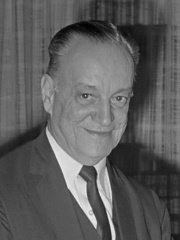
Augusto Hamann Rademaker Grünewald
1905 - 1985
HPI: 54.03
Rang: 75
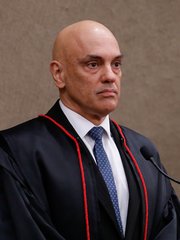
Alexandre de Moraes
1968 - heute
HPI: 53.12
Rang: 76




