Politiker
Augusto Santos Silva
1956 - heute
DE.WIKIPEDIA PAGE VIEWS (PV)
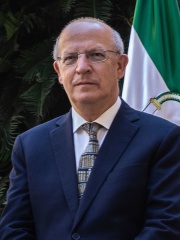
 Augusto Santos Silva
Seine Biografie ist in 18 verschiedenen Sprachen auf Wikipedia verfügbar. Augusto Santos Silva ist der 17,466th beliebteste Politiker (gesunken vom 15,739th im Jahr 2024), die 443rd beliebteste Biografie aus Portugal (gesunken vom 375th im Jahr 2019) und der 127th beliebteste aus Portugal Politiker.
Memorability Metrics
20k
Page Views
Past 12 months
50.87
HPI
Historical Popularity Index
Page views of Augusto Santos Silva by language
Among Politikers
Among politikers, Augusto Santos Silva ranks 17,459 out of 19,576. Before him are Tulsi Giri, Shahid Khaqan Abbasi, John Cornyn, Sayeeda Warsi, Baroness Warsi, Andrey Lugovoy, and Bruno Tshibala. After him are Feargus O'Connor, Barbara Mikulski, Akejan Kajegeldin, Lipit-Enlil, Bill Hayden, and Nika Gilauri.
Most Popular Politikers in Wikipedia
Go to all Rankings
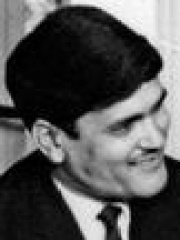
Tulsi Giri
1926 - 2018
HPI: 50.89
Rank: 17,460
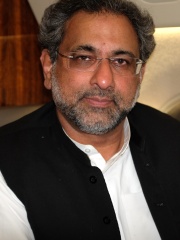
Shahid Khaqan Abbasi
1958 - Present
HPI: 50.89
Rank: 17,461
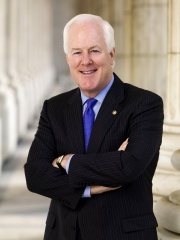
John Cornyn
1952 - Present
HPI: 50.89
Rank: 17,462
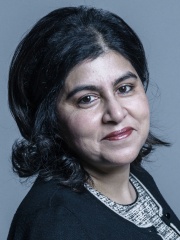
Sayeeda Warsi, Baroness Warsi
1971 - Present
HPI: 50.89
Rank: 17,463
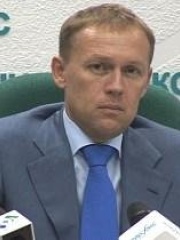
Andrey Lugovoy
1966 - Present
HPI: 50.88
Rank: 17,464
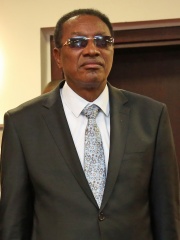
Bruno Tshibala
1956 - Present
HPI: 50.88
Rank: 17,465
Augusto Santos Silva
1956 - Present
HPI: 50.87
Rank: 17,466
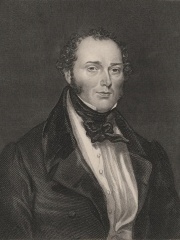
Feargus O'Connor
1794 - 1855
HPI: 50.87
Rank: 17,467
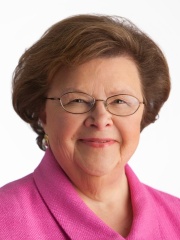
Barbara Mikulski
1936 - Present
HPI: 50.87
Rank: 17,468
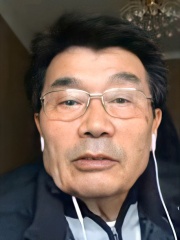
Akejan Kajegeldin
1952 - Present
HPI: 50.87
Rank: 17,469

Lipit-Enlil
HPI: 50.87
Rank: 17,470
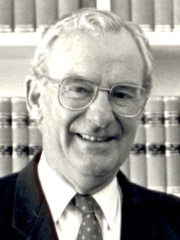
Bill Hayden
1933 - 2023
HPI: 50.87
Rank: 17,471
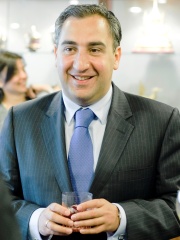
Nika Gilauri
1975 - Present
HPI: 50.87
Rank: 17,472

Contemporaries
Among people born in 1956, Augusto Santos Silva ranks 565. Before him are Patricio Hernández, Kumiko Okae, Víctor Púa, Dinah Manoff, Peter David, and Bruno Tshibala. After him are Lise-Marie Morerod, Daniel Willems, Mike McCallum, Yodrak Salakjai, Tim Paterson, and Georgi Bliznashki.
Others Born in 1956
Go to all Rankings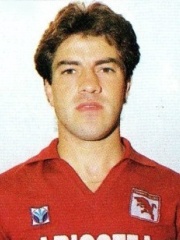
Patricio Hernández
SOCCER PLAYER
1956 - Present
HPI: 51.06
Rank: 559
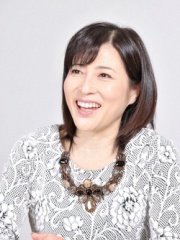
Kumiko Okae
ACTOR
1956 - 2020
HPI: 50.96
Rank: 560

Víctor Púa
SOCCER PLAYER
1956 - Present
HPI: 50.95
Rank: 561

Dinah Manoff
ACTOR
1956 - Present
HPI: 50.90
Rank: 562
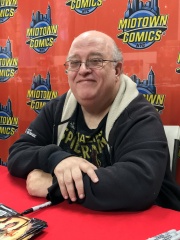
Peter David
COMIC ARTIST
1956 - 2025
HPI: 50.89
Rank: 563
Bruno Tshibala
POLITICIAN
1956 - Present
HPI: 50.88
Rank: 564
Augusto Santos Silva
POLITICIAN
1956 - Present
HPI: 50.87
Rank: 565
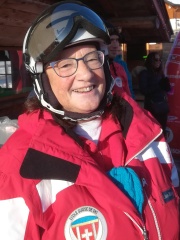
Lise-Marie Morerod
SKIER
1956 - Present
HPI: 50.85
Rank: 566
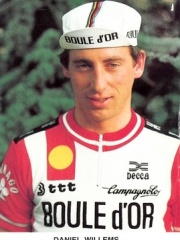
Daniel Willems
CYCLIST
1956 - 2016
HPI: 50.83
Rank: 567

Mike McCallum
BOXER
1956 - 2025
HPI: 50.82
Rank: 568
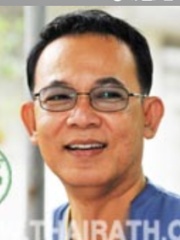
Yodrak Salakjai
SINGER
1956 - 2008
HPI: 50.81
Rank: 569

Tim Paterson
COMPUTER SCIENTIST
1956 - Present
HPI: 50.79
Rank: 570
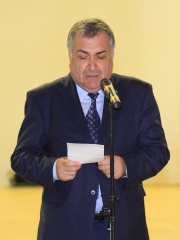
Georgi Bliznashki
POLITICIAN
1956 - Present
HPI: 50.79
Rank: 571
In Portugal
Among people born in Portugal, Augusto Santos Silva ranks 443 out of NaN. Before him are Rúben Neves (1997), Aure Atika (1970), Cristina Branco (1972), Silvestre Varela (1985), Abel Ferreira (1978), and Beto (1976). After him are Acácio da Silva (1961), Gonçalo Ramos (2001), Francisco Trincão (1999), Nuno Valente (1974), João Neves (2004), and Jota (1999).
Others born in Portugal
Go to all Rankings
Rúben Neves
SOCCER PLAYER
1997 - Present
HPI: 51.32
Rank: 437
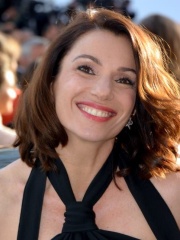
Aure Atika
ACTOR
1970 - Present
HPI: 51.19
Rank: 438

Cristina Branco
MUSICIAN
1972 - Present
HPI: 51.16
Rank: 439
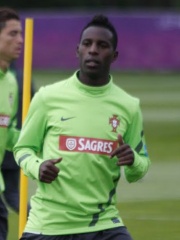
Silvestre Varela
SOCCER PLAYER
1985 - Present
HPI: 51.12
Rank: 440
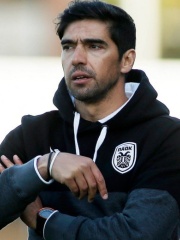
Abel Ferreira
SOCCER PLAYER
1978 - Present
HPI: 51.05
Rank: 441
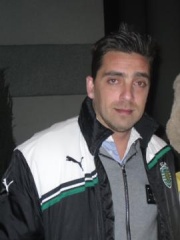
Beto
SOCCER PLAYER
1976 - Present
HPI: 50.95
Rank: 442
Augusto Santos Silva
POLITICIAN
1956 - Present
HPI: 50.87
Rank: 443

Acácio da Silva
CYCLIST
1961 - Present
HPI: 50.81
Rank: 444
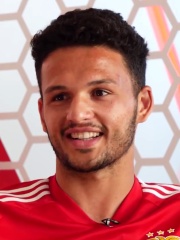
Gonçalo Ramos
SOCCER PLAYER
2001 - Present
HPI: 50.65
Rank: 445
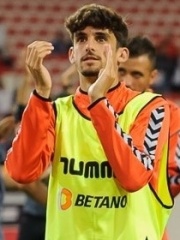
Francisco Trincão
SOCCER PLAYER
1999 - Present
HPI: 50.56
Rank: 446

Nuno Valente
SOCCER PLAYER
1974 - Present
HPI: 50.49
Rank: 447
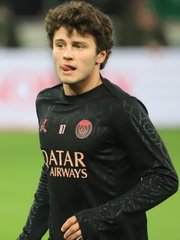
João Neves
SOCCER PLAYER
2004 - Present
HPI: 50.39
Rank: 448
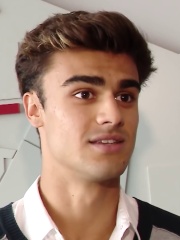
Jota
SOCCER PLAYER
1999 - Present
HPI: 50.23
Rank: 449
Among Politikers In Portugal
Among politikers born in Portugal, Augusto Santos Silva ranks 127. Before him are Diogo Freitas do Amaral (1941), Jerónimo de Sousa (1947), Elisa Ferreira (1955), João de Deus Pinheiro (1945), Rui Rio (1957), and Paulo d'Eça Leal (1901). After him are André Ventura (1983), António Vitorino (1957), Maria Luís Albuquerque (1967), Mário Centeno (1966), and Catarina Martins (1973).
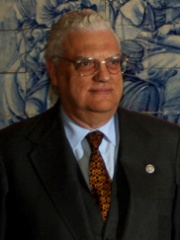
Diogo Freitas do Amaral
1941 - 2019
HPI: 55.64
Rank: 121
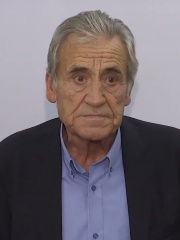
Jerónimo de Sousa
1947 - Present
HPI: 54.84
Rank: 122
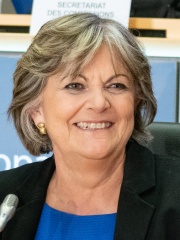
Elisa Ferreira
1955 - Present
HPI: 54.54
Rank: 123
João de Deus Pinheiro
1945 - Present
HPI: 53.49
Rank: 124
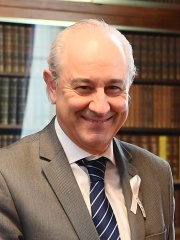
Rui Rio
1957 - Present
HPI: 51.98
Rank: 125

Paulo d'Eça Leal
1901 - 1977
HPI: 51.97
Rank: 126
Augusto Santos Silva
1956 - Present
HPI: 50.87
Rank: 127
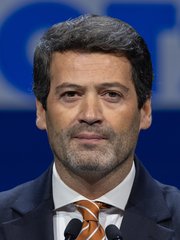
André Ventura
1983 - Present
HPI: 49.62
Rank: 128
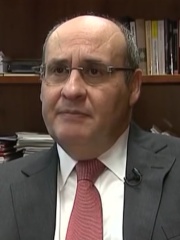
António Vitorino
1957 - Present
HPI: 49.04
Rank: 129
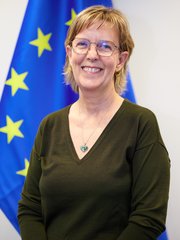
Maria Luís Albuquerque
1967 - Present
HPI: 48.85
Rank: 130
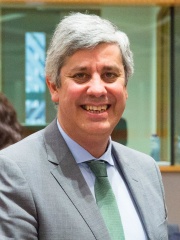
Mário Centeno
1966 - Present
HPI: 47.82
Rank: 131
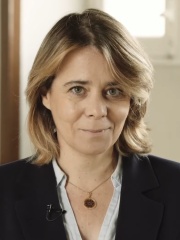
Catarina Martins
1973 - Present
HPI: 45.39
Rank: 132




