政治家
José Sarney
1930 - 現在
JA.WIKIPEDIA PAGE VIEWS (PV)
 José Sarney
Memorability Metrics
310k
Page Views
Past 12 months
66.74
HPI
Historical Popularity Index
Page views of José Sarney by language
Among 政治家
Among 政治家, José Sarney ranks 4,859 out of 19,576. Before him are Ernesto Cardenal, Gannicus, Emperor Go-Fukakusa, Ricardo Lagos, Yuan Chonghuan, and Tokugawa Yoshimune. After him are Magnentius, Sun Hao, Aulus Gabinius, Gentius, Alexander Gauland, and Ramon Berenguer IV, Count of Provence.
Most Popular 政治家 in Wikipedia
Go to all Rankings
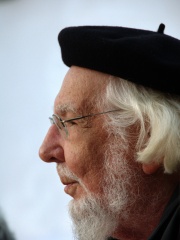
Ernesto Cardenal
1925 - 2020
HPI: 66.74
Rank: 4,855

Gannicus
150 BC - 71 BC
HPI: 66.74
Rank: 4,856
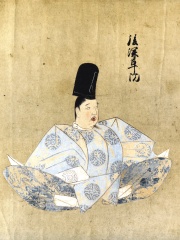
Emperor Go-Fukakusa
1243 - 1304
HPI: 66.74
Rank: 4,857
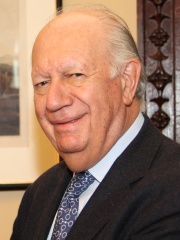
Ricardo Lagos
1938 - Present
HPI: 66.74
Rank: 4,858
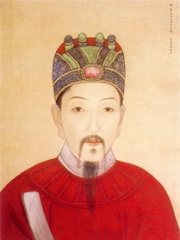
Yuan Chonghuan
1584 - 1630
HPI: 66.74
Rank: 4,859
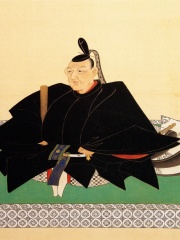
Tokugawa Yoshimune
1684 - 1751
HPI: 66.74
Rank: 4,860
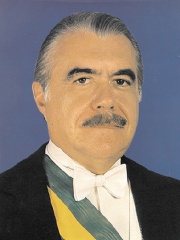
José Sarney
1930 - Present
HPI: 66.74
Rank: 4,861
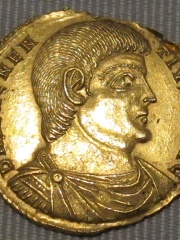
Magnentius
303 - 353
HPI: 66.74
Rank: 4,862
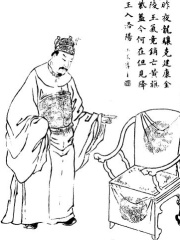
Sun Hao
243 - 284
HPI: 66.73
Rank: 4,863
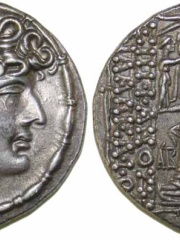
Aulus Gabinius
150 BC - 47 BC
HPI: 66.73
Rank: 4,864
Gentius
300 BC - 200 BC
HPI: 66.73
Rank: 4,865
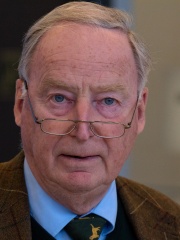
Alexander Gauland
1941 - Present
HPI: 66.73
Rank: 4,866
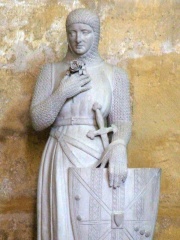
Ramon Berenguer IV, Count of Provence
1198 - 1245
HPI: 66.73
Rank: 4,867

Contemporaries
Among people born in 1930, José Sarney ranks 93. Before him are Magdalena Abakanowicz, Frank Drake, Gérard Genette, Robert Aumann, Pierre Bergé, and Owen Garriott. After him are Edgar Mitchell, Michal Kováč, Mario Adorf, Martin Karplus, Choe Yong-rim, and Hilderaldo Bellini.
Others Born in 1930
Go to all Rankings
Magdalena Abakanowicz
SCULPTOR
1930 - 2017
HPI: 67.30
Rank: 87
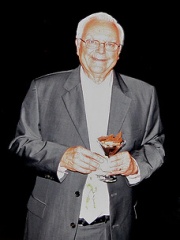
Frank Drake
ASTRONOMER
1930 - 2022
HPI: 67.29
Rank: 88
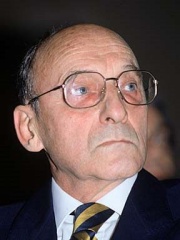
Gérard Genette
POLITICIAN
1930 - 2018
HPI: 67.13
Rank: 89
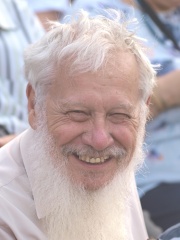
Robert Aumann
MATHEMATICIAN
1930 - Present
HPI: 66.94
Rank: 90
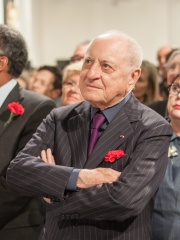
Pierre Bergé
BUSINESSPERSON
1930 - 2017
HPI: 66.82
Rank: 91

Owen Garriott
ASTRONAUT
1930 - 2019
HPI: 66.76
Rank: 92
José Sarney
POLITICIAN
1930 - Present
HPI: 66.74
Rank: 93
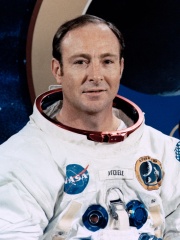
Edgar Mitchell
ASTRONAUT
1930 - 2016
HPI: 66.57
Rank: 94
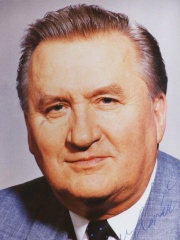
Michal Kováč
POLITICIAN
1930 - 2016
HPI: 66.55
Rank: 95
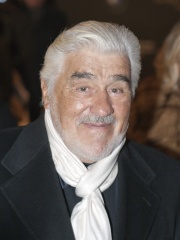
Mario Adorf
ACTOR
1930 - 2026
HPI: 66.49
Rank: 96
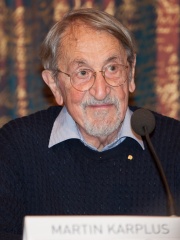
Martin Karplus
CHEMIST
1930 - 2024
HPI: 66.44
Rank: 97

Choe Yong-rim
POLITICIAN
1930 - Present
HPI: 66.39
Rank: 98
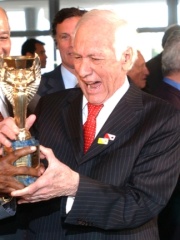
Hilderaldo Bellini
SOCCER PLAYER
1930 - 2014
HPI: 66.39
Rank: 99
In ブラジル
Among people born in ブラジル, José Sarney ranks 87 out of NaN. Before him are Zumbi (1655), Marcelo (1988), Dida (1973), Emílio Garrastazu Médici (1905), Vicente Feola (1909), and Adriano (1982). After him are Cláudio Hummes (1934), Vinicius de Moraes (1913), Florinda Bolkan (1941), Hilderaldo Bellini (1930), Reinaldo Arenas (1943), and Mauro Ramos (1930).
Others born in ブラジル
Go to all Rankings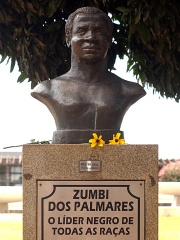
Zumbi
POLITICIAN
1655 - 1695
HPI: 67.12
Rank: 81
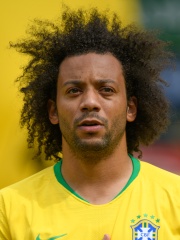
Marcelo
SOCCER PLAYER
1988 - Present
HPI: 67.09
Rank: 82
Dida
SOCCER PLAYER
1973 - Present
HPI: 67.03
Rank: 83
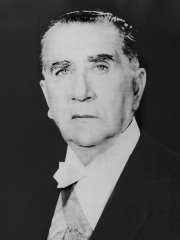
Emílio Garrastazu Médici
POLITICIAN
1905 - 1985
HPI: 66.98
Rank: 84
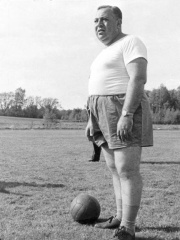
Vicente Feola
COACH
1909 - 1975
HPI: 66.88
Rank: 85
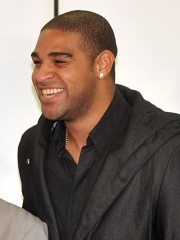
Adriano
SOCCER PLAYER
1982 - Present
HPI: 66.82
Rank: 86
José Sarney
POLITICIAN
1930 - Present
HPI: 66.74
Rank: 87
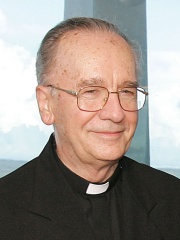
Cláudio Hummes
RELIGIOUS FIGURE
1934 - 2022
HPI: 66.60
Rank: 88
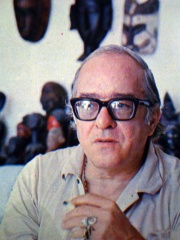
Vinicius de Moraes
WRITER
1913 - 1980
HPI: 66.51
Rank: 89
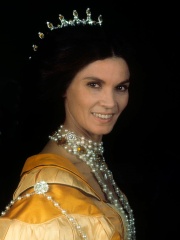
Florinda Bolkan
ACTOR
1941 - Present
HPI: 66.45
Rank: 90
Hilderaldo Bellini
SOCCER PLAYER
1930 - 2014
HPI: 66.39
Rank: 91

Reinaldo Arenas
WRITER
1943 - 1990
HPI: 66.37
Rank: 92
Mauro Ramos
SOCCER PLAYER
1930 - 2002
HPI: 66.35
Rank: 93
Among 政治家 In ブラジル
Among 政治家 born in ブラジル, José Sarney ranks 19. Before him are Anita Garibaldi (1821), Tancredo Neves (1910), Ernesto Geisel (1907), João Figueiredo (1918), Zumbi (1655), and Emílio Garrastazu Médici (1905). After him are Princess Francisca of Brazil (1824), Fernando Collor de Mello (1949), Artur da Costa e Silva (1899), Bernardino Machado (1851), Sérgio Vieira de Mello (1948), and Floriano Peixoto (1839).
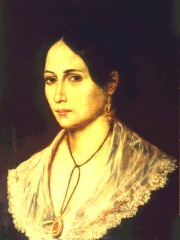
Anita Garibaldi
1821 - 1849
HPI: 68.91
Rank: 13
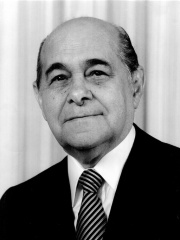
Tancredo Neves
1910 - 1985
HPI: 67.93
Rank: 14
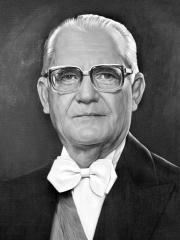
Ernesto Geisel
1907 - 1996
HPI: 67.71
Rank: 15
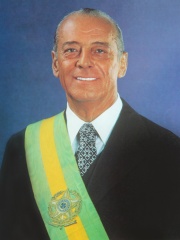
João Figueiredo
1918 - 1999
HPI: 67.62
Rank: 16
Zumbi
1655 - 1695
HPI: 67.12
Rank: 17
Emílio Garrastazu Médici
1905 - 1985
HPI: 66.98
Rank: 18
José Sarney
1930 - Present
HPI: 66.74
Rank: 19
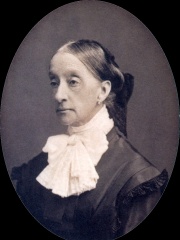
Princess Francisca of Brazil
1824 - 1898
HPI: 65.75
Rank: 20
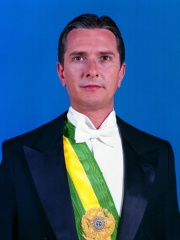
Fernando Collor de Mello
1949 - Present
HPI: 65.63
Rank: 21
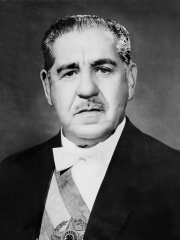
Artur da Costa e Silva
1899 - 1969
HPI: 65.52
Rank: 22
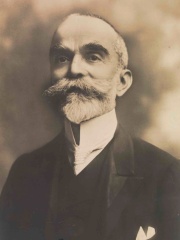
Bernardino Machado
1851 - 1944
HPI: 65.47
Rank: 23
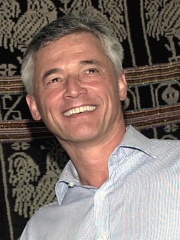
Sérgio Vieira de Mello
1948 - 2003
HPI: 64.59
Rank: 24
Floriano Peixoto
1839 - 1895
HPI: 64.37
Rank: 25




