Allenatore
Júlio César Leal
1951 - presente
IT.WIKIPEDIA PAGE VIEWS (PV)

 Júlio César Leal
La sua biografia è disponibile in 20 lingue su Wikipedia (in aumento rispetto a 19 nel 2024). Júlio César Leal è il 300° allenatore più popolare (in calo dal 295° nel 2024), la 789ª biografia più popolare della Brasile (in calo dal 773ª nel 2019) e il 25° allenatore più popolare della Brasile.
Memorability Metrics
4.9k
Page Views
Past 12 months
52.89
HPI
Historical Popularity Index
Page views of Júlio César Leal by language
Among Allenatores
Among allenatores, Júlio César Leal ranks 300 out of 471. Before him are Norio Sasaki, Stuart Baxter, Nicanor de Carvalho, Adrie Koster, Italo Galbiati, and John Jensen. After him are Michał Probierz, René Simões, Bill Belichick, Willi Multhaup, Matthias Jaissle, and Hans Meyer.
Most Popular Allenatores in Wikipedia
Go to all Rankings
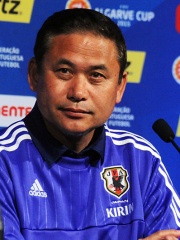
Norio Sasaki
1958 - Present
HPI: 53.10
Rank: 294
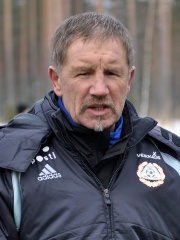
Stuart Baxter
1953 - Present
HPI: 53.06
Rank: 295

Nicanor de Carvalho
1947 - 2018
HPI: 53.00
Rank: 296
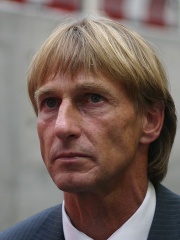
Adrie Koster
1954 - Present
HPI: 52.98
Rank: 297

Italo Galbiati
1937 - 2023
HPI: 52.94
Rank: 298
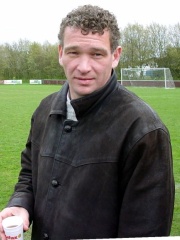
John Jensen
1965 - Present
HPI: 52.90
Rank: 299
Júlio César Leal
1951 - Present
HPI: 52.89
Rank: 300
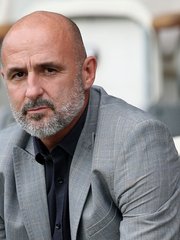
Michał Probierz
1972 - Present
HPI: 52.77
Rank: 301

René Simões
1952 - Present
HPI: 52.63
Rank: 302
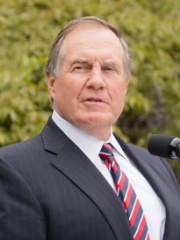
Bill Belichick
1952 - Present
HPI: 52.58
Rank: 303

Willi Multhaup
1903 - 1982
HPI: 52.58
Rank: 304
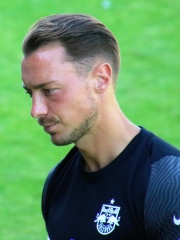
Matthias Jaissle
1988 - Present
HPI: 52.56
Rank: 305
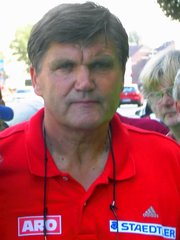
Hans Meyer
1942 - Present
HPI: 52.45
Rank: 306

Contemporaries
Among people born in 1951, Júlio César Leal ranks 543. Before him are Vilson Ahmeti, Yury Zaitsev, Birger Jensen, Carmen Linares, Brian Grazer, and Ahmed Tidiane Souaré. After him are Pamela Bellwood, Franciszek Gągor, Haruki Uemura, Mohamed Ben Rehaiem, Janis Ian, and Joachim Fritsche.
Others Born in 1951
Go to all Rankings
Vilson Ahmeti
POLITICIAN
1951 - Present
HPI: 52.97
Rank: 537
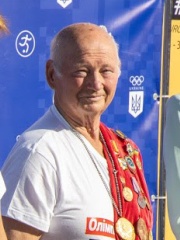
Yury Zaitsev
ATHLETE
1951 - 2022
HPI: 52.95
Rank: 538

Birger Jensen
SOCCER PLAYER
1951 - 2023
HPI: 52.93
Rank: 539
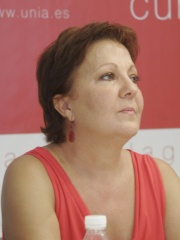
Carmen Linares
SINGER
1951 - Present
HPI: 52.92
Rank: 540
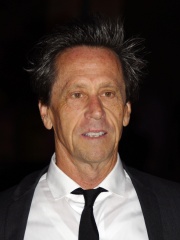
Brian Grazer
PRODUCER
1951 - Present
HPI: 52.91
Rank: 541

Ahmed Tidiane Souaré
POLITICIAN
1951 - Present
HPI: 52.91
Rank: 542
Júlio César Leal
COACH
1951 - Present
HPI: 52.89
Rank: 543

Pamela Bellwood
ACTOR
1951 - Present
HPI: 52.88
Rank: 544
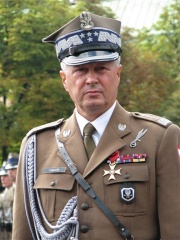
Franciszek Gągor
MILITARY PERSONNEL
1951 - 2010
HPI: 52.88
Rank: 545

Haruki Uemura
ATHLETE
1951 - Present
HPI: 52.81
Rank: 546
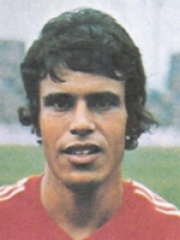
Mohamed Ben Rehaiem
SOCCER PLAYER
1951 - 2020
HPI: 52.79
Rank: 547
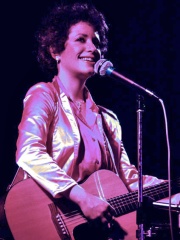
Janis Ian
MUSICIAN
1951 - Present
HPI: 52.75
Rank: 548
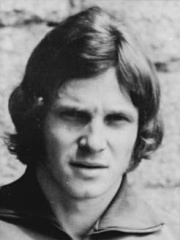
Joachim Fritsche
SOCCER PLAYER
1951 - Present
HPI: 52.74
Rank: 549
In Brasile
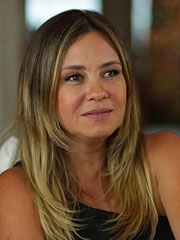
Among people born in Brasile, Júlio César Leal ranks 789 out of NaN. Before him are Nicette Bruno (1933), Nicanor de Carvalho (1947), Alex (1976), Carlinhos Brown (1962), Ivete Sangalo (1972), and Digão (1985). After him are Falcão (1977), Leandro Domingues (1983), Lucas Paquetá (1997), Deili Custodio da Silva (1980), Marcos Pontes (1963), and Adriana Esteves (1969).
Others born in Brasile
Go to all Rankings
Nicette Bruno
ACTOR
1933 - 2020
HPI: 53.06
Rank: 783
Nicanor de Carvalho
COACH
1947 - 2018
HPI: 53.00
Rank: 784

Alex
SOCCER PLAYER
1976 - Present
HPI: 52.96
Rank: 785
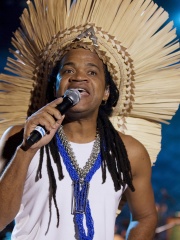
Carlinhos Brown
MUSICIAN
1962 - Present
HPI: 52.92
Rank: 786

Ivete Sangalo
ACTOR
1972 - Present
HPI: 52.91
Rank: 787

Digão
SOCCER PLAYER
1985 - Present
HPI: 52.90
Rank: 788
Júlio César Leal
COACH
1951 - Present
HPI: 52.89
Rank: 789
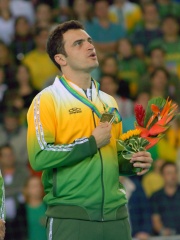
Falcão
SOCCER PLAYER
1977 - Present
HPI: 52.83
Rank: 790

Leandro Domingues
SOCCER PLAYER
1983 - 2025
HPI: 52.83
Rank: 791
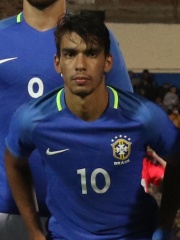
Lucas Paquetá
SOCCER PLAYER
1997 - Present
HPI: 52.82
Rank: 792

Deili Custodio da Silva
SOCCER PLAYER
1980 - Present
HPI: 52.81
Rank: 793
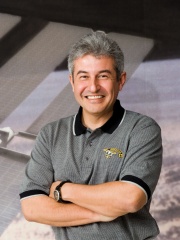
Marcos Pontes
ASTRONAUT
1963 - Present
HPI: 52.80
Rank: 794
Adriana Esteves
ACTOR
1969 - Present
HPI: 52.79
Rank: 795
Among Allenatores In Brasile
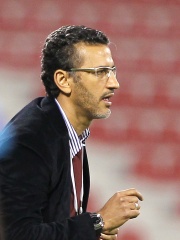
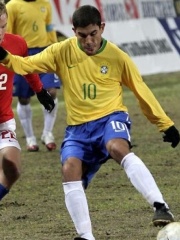
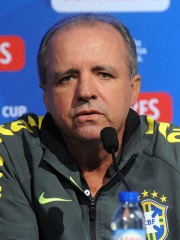
Among allenatores born in Brasile, Júlio César Leal ranks 25. Before him are Lori Sandri (1949), Paulo Emilio (1936), Péricles Chamusca (1965), Ricardinho (1976), José Carlos Serrão (1950), and Nicanor de Carvalho (1947). After him are René Simões (1952), Beto Almeida (1955), João Carlos (1956), Vadão (1956), Otacílio Gonçalves (1940), and Marco Aurélio (1952).

Lori Sandri
1949 - 2014
HPI: 54.95
Rank: 19

Paulo Emilio
1936 - 2016
HPI: 54.53
Rank: 20
Péricles Chamusca
1965 - Present
HPI: 54.22
Rank: 21
Ricardinho
1976 - Present
HPI: 53.34
Rank: 22

José Carlos Serrão
1950 - Present
HPI: 53.19
Rank: 23
Nicanor de Carvalho
1947 - 2018
HPI: 53.00
Rank: 24
Júlio César Leal
1951 - Present
HPI: 52.89
Rank: 25
René Simões
1952 - Present
HPI: 52.63
Rank: 26

Beto Almeida
1955 - Present
HPI: 50.75
Rank: 27

João Carlos
1956 - Present
HPI: 50.16
Rank: 28
Vadão
1956 - 2020
HPI: 50.12
Rank: 29

Otacílio Gonçalves
1940 - 2025
HPI: 49.72
Rank: 30

Marco Aurélio
1952 - Present
HPI: 48.30
Rank: 31




