Fußballspieler
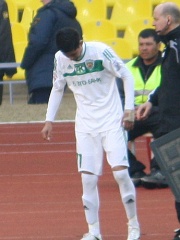
Juan Manuel Peña
1973 - heute
DE.WIKIPEDIA PAGE VIEWS (PV)
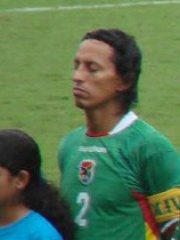
 Juan Manuel Peña
Seine Biografie ist in 20 verschiedenen Sprachen auf Wikipedia verfügbar. Juan Manuel Peña ist der 9,461st beliebteste Fußballspieler (gesunken vom 9,009th im Jahr 2024), die 95th beliebteste Biografie aus Bolivien (gesunken vom 92nd im Jahr 2019) und der 28th beliebteste aus Bolivien Fußballspieler.
Memorability Metrics
14k
Page Views
Past 12 months
45.74
HPI
Historical Popularity Index
Page views of Juan Manuel Peña by language
Among Fußballspielers
Among fußballspielers, Juan Manuel Peña ranks 9,455 out of 21,273. Before him are Armando Sá, Kwak Tae-hwi, Marc Roca, Moestafa El Kabir, Jeff Agoos, and Irfan Bachdim. After him are Willie Ormond, Leonardo Ulloa, Yuta Abe, Nuno Frechaut, Renato Veiga, and Shugo Kawahara.
Most Popular Fußballspielers in Wikipedia
Go to all Rankings
Armando Sá
1975 - Present
HPI: 45.75
Rank: 9,455
Kwak Tae-hwi
1981 - Present
HPI: 45.74
Rank: 9,456

Marc Roca
1996 - Present
HPI: 45.74
Rank: 9,457
Moestafa El Kabir
1988 - Present
HPI: 45.74
Rank: 9,458

Jeff Agoos
1968 - Present
HPI: 45.74
Rank: 9,459
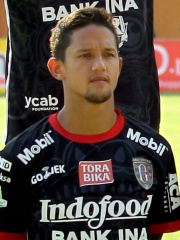
Irfan Bachdim
1988 - Present
HPI: 45.74
Rank: 9,460
Juan Manuel Peña
1973 - Present
HPI: 45.74
Rank: 9,461

Willie Ormond
1927 - 1984
HPI: 45.73
Rank: 9,462
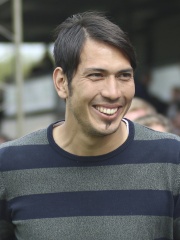
Leonardo Ulloa
1986 - Present
HPI: 45.73
Rank: 9,463

Yuta Abe
1974 - Present
HPI: 45.73
Rank: 9,464

Nuno Frechaut
1977 - Present
HPI: 45.73
Rank: 9,465
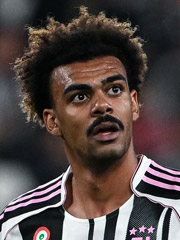
Renato Veiga
2003 - Present
HPI: 45.73
Rank: 9,466

Shugo Kawahara
1980 - Present
HPI: 45.73
Rank: 9,467

Contemporaries
Among people born in 1973, Juan Manuel Peña ranks 692. Before him are Emily Atef, Jorge Arreaza, Ryoo Seung-wan, Olivier Jacque, Ids Postma, and Kevin McBride. After him are André Breitenreiter, Junichi Watanabe, Dagur Kári, Arsen Avetisyan, Alyaksandr Khatskevich, and Lucy Davis.
Others Born in 1973
Go to all Rankings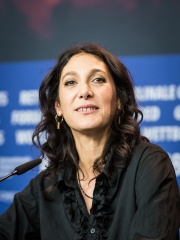
Emily Atef
FILM DIRECTOR
1973 - Present
HPI: 45.79
Rank: 686
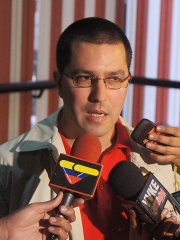
Jorge Arreaza
POLITICIAN
1973 - Present
HPI: 45.78
Rank: 687
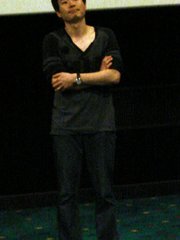
Ryoo Seung-wan
FILM DIRECTOR
1973 - Present
HPI: 45.78
Rank: 688
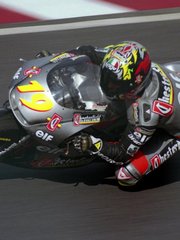
Olivier Jacque
RACING DRIVER
1973 - Present
HPI: 45.77
Rank: 689
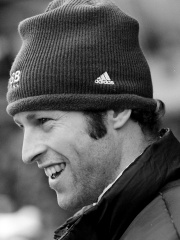
Ids Postma
SKATER
1973 - Present
HPI: 45.75
Rank: 690
Kevin McBride
BOXER
1973 - Present
HPI: 45.74
Rank: 691
Juan Manuel Peña
SOCCER PLAYER
1973 - Present
HPI: 45.74
Rank: 692

André Breitenreiter
COACH
1973 - Present
HPI: 45.73
Rank: 693

Junichi Watanabe
SOCCER PLAYER
1973 - Present
HPI: 45.73
Rank: 694

Dagur Kári
FILM DIRECTOR
1973 - Present
HPI: 45.72
Rank: 695

Arsen Avetisyan
SOCCER PLAYER
1973 - Present
HPI: 45.71
Rank: 696
Alyaksandr Khatskevich
SOCCER PLAYER
1973 - Present
HPI: 45.70
Rank: 697
Lucy Davis
ACTOR
1973 - Present
HPI: 45.67
Rank: 698
In Bolivien
Among people born in Bolivien, Juan Manuel Peña ranks 95 out of NaN. Before him are Marcelo Martins Moreno (1987), Constantino Noya (null), Ramiro Castillo (1966), Jaime Moreno (1974), María Galindo (1964), and Ko Ishikawa (1970). After him are Vladimir Soria (1964), William Ramallo (1963), Juan José Zúñiga (1968), Marco Sandy (1971), Álvaro Peña (1965), and Miguel Rimba (1967).
Others born in Bolivien
Go to all Rankings
Marcelo Martins Moreno
SOCCER PLAYER
1987 - Present
HPI: 49.08
Rank: 89

Constantino Noya
SOCCER PLAYER
HPI: 48.97
Rank: 90

Ramiro Castillo
SOCCER PLAYER
1966 - 1997
HPI: 47.94
Rank: 91
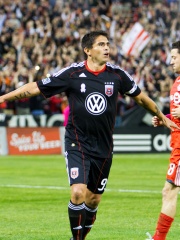
Jaime Moreno
SOCCER PLAYER
1974 - Present
HPI: 47.03
Rank: 92

María Galindo
SOCIAL ACTIVIST
1964 - Present
HPI: 46.90
Rank: 93

Ko Ishikawa
SOCCER PLAYER
1970 - Present
HPI: 46.15
Rank: 94
Juan Manuel Peña
SOCCER PLAYER
1973 - Present
HPI: 45.74
Rank: 95

Vladimir Soria
SOCCER PLAYER
1964 - Present
HPI: 45.29
Rank: 96

William Ramallo
SOCCER PLAYER
1963 - Present
HPI: 45.25
Rank: 97
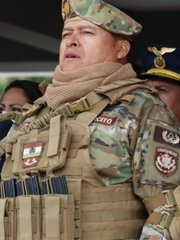
Juan José Zúñiga
MILITARY PERSONNEL
1968 - Present
HPI: 45.24
Rank: 98

Marco Sandy
SOCCER PLAYER
1971 - Present
HPI: 44.85
Rank: 99
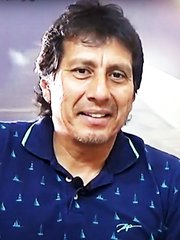
Álvaro Peña
SOCCER PLAYER
1965 - Present
HPI: 44.57
Rank: 100

Miguel Rimba
SOCCER PLAYER
1967 - Present
HPI: 43.98
Rank: 101
Among Fußballspielers In Bolivien
Among fußballspielers born in Bolivien, Juan Manuel Peña ranks 28. Before him are Juan Argote (1906), Marcelo Martins Moreno (1987), Constantino Noya (null), Ramiro Castillo (1966), Jaime Moreno (1974), and Ko Ishikawa (1970). After him are Vladimir Soria (1964), William Ramallo (1963), Marco Sandy (1971), Álvaro Peña (1965), Miguel Rimba (1967), and Juan Carlos Arce (1985).
Juan Argote
1906 - Present
HPI: 50.17
Rank: 22
Marcelo Martins Moreno
1987 - Present
HPI: 49.08
Rank: 23
Constantino Noya
HPI: 48.97
Rank: 24
Ramiro Castillo
1966 - 1997
HPI: 47.94
Rank: 25
Jaime Moreno
1974 - Present
HPI: 47.03
Rank: 26
Ko Ishikawa
1970 - Present
HPI: 46.15
Rank: 27
Juan Manuel Peña
1973 - Present
HPI: 45.74
Rank: 28
Vladimir Soria
1964 - Present
HPI: 45.29
Rank: 29
William Ramallo
1963 - Present
HPI: 45.25
Rank: 30
Marco Sandy
1971 - Present
HPI: 44.85
Rank: 31
Álvaro Peña
1965 - Present
HPI: 44.57
Rank: 32
Miguel Rimba
1967 - Present
HPI: 43.98
Rank: 33
Juan Carlos Arce
1985 - Present
HPI: 43.72
Rank: 34




