ملحن
Bronius Kutavičius
1932 - 2021

 Bronius Kutavičius
سيرته الذاتية متاحة بـ16 لغة مختلفة على ويكيبيديا (زيادة من 15 في 2024). يحتل Bronius Kutavičius المرتبة 1,228 بين أكثر ملحن شعبيةً (تقدمًا من 1,237 في 2024)، والمرتبة 174 بين أكثر السير الذاتية شعبيةً في ليتوانيا (تراجعًا من 170 في 2019)، كما يحتل المرتبة 4 بين أكثر ملحن من ليتوانيا شعبيةً.
Memorability Metrics
3.4k
Page Views
Past 12 months
55.23
HPI
Historical Popularity Index
Page views of Bronius Kutavičius by language
Among ملحن
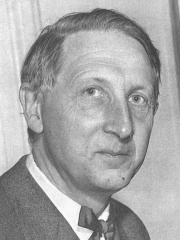
Among ملحن, Bronius Kutavičius ranks 1,228 out of 1,451. Before him are Jean-Joseph Mouret, Abdylas Maldybaev, Glenn Branca, Leonard Slatkin, Adolph Deutsch, and Akira Yamaoka. After him are Luís de Freitas Branco, Frank Churchill, David Diamond, Tadeusz Baird, Andrei Eshpai, and Knudåge Riisager.
Most Popular ملحن in Wikipedia
Go to all Rankings

Jean-Joseph Mouret
1682 - 1738
HPI: 55.37
Rank: 1,222
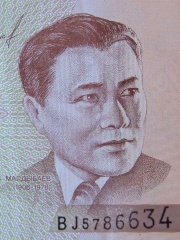
Abdylas Maldybaev
1906 - 1978
HPI: 55.35
Rank: 1,223
Glenn Branca
1948 - 2018
HPI: 55.35
Rank: 1,224
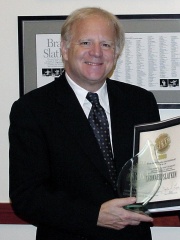
Leonard Slatkin
1944 - Present
HPI: 55.33
Rank: 1,225

Adolph Deutsch
1897 - 1980
HPI: 55.28
Rank: 1,226
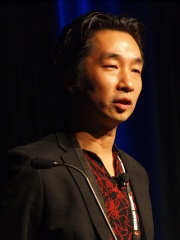
Akira Yamaoka
1968 - Present
HPI: 55.27
Rank: 1,227
Bronius Kutavičius
1932 - 2021
HPI: 55.23
Rank: 1,228
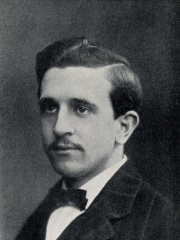
Luís de Freitas Branco
1890 - 1955
HPI: 55.21
Rank: 1,229

Frank Churchill
1901 - 1942
HPI: 55.20
Rank: 1,230
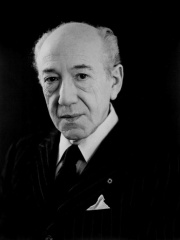
David Diamond
1915 - 2005
HPI: 55.20
Rank: 1,231
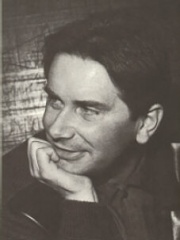
Tadeusz Baird
1928 - 1981
HPI: 55.20
Rank: 1,232
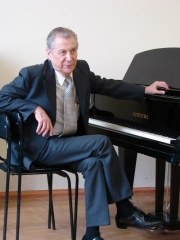
Andrei Eshpai
1925 - 2015
HPI: 55.16
Rank: 1,233
Knudåge Riisager
1897 - 1974
HPI: 55.13
Rank: 1,234

Contemporaries
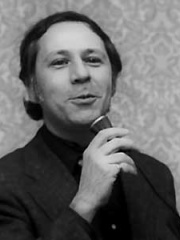
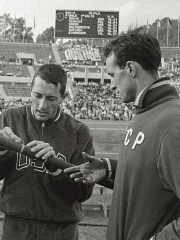
Among people born in 1932, Bronius Kutavičius ranks 381. Before him are Billie Whitelaw, Ben Bova, Brian Murphy, Vasili Kuznetsov, Cesare Perdisa, and Paul Anderson. After him are Casey Kasem, John Lyons, Alain Besançon, John Flynn, Lewis Binford, and Sándor Mátrai. Among people deceased in 2021, Bronius Kutavičius ranks 454. Before him are Karel Loprais, Nina Ruslanova, Yekaterina Gradova, Sabine Weiss, Henry Darrow, and Fausto Gresini. After him are Tubilandu Ndimbi, Lawrence Weiner, Franco Marini, Michael Fisher, Aleksandar Shalamanov, and Giuseppe Galante.
Others Born in 1932
Go to all Rankings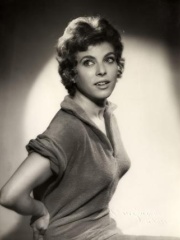
Billie Whitelaw
ACTOR
1932 - 2014
HPI: 55.46
Rank: 375
Ben Bova
WRITER
1932 - 2020
HPI: 55.44
Rank: 376

Brian Murphy
ACTOR
1932 - 2025
HPI: 55.42
Rank: 377
Vasili Kuznetsov
ATHLETE
1932 - 2001
HPI: 55.37
Rank: 378
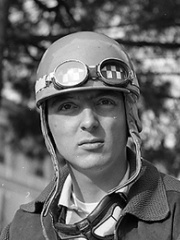
Cesare Perdisa
RACING DRIVER
1932 - 1998
HPI: 55.32
Rank: 379
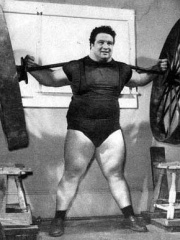
Paul Anderson
ATHLETE
1932 - 1994
HPI: 55.29
Rank: 380
Bronius Kutavičius
COMPOSER
1932 - 2021
HPI: 55.23
Rank: 381
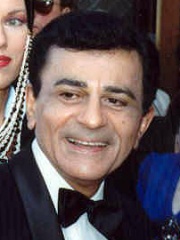
Casey Kasem
PRESENTER
1932 - 2014
HPI: 55.22
Rank: 382
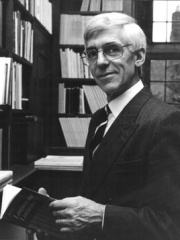
John Lyons
LINGUIST
1932 - 2020
HPI: 55.20
Rank: 383

Alain Besançon
HISTORIAN
1932 - 2023
HPI: 55.17
Rank: 384

John Flynn
FILM DIRECTOR
1932 - 2007
HPI: 55.17
Rank: 385

Lewis Binford
ARCHAEOLOGIST
1932 - 2011
HPI: 55.17
Rank: 386
Sándor Mátrai
SOCCER PLAYER
1932 - 2002
HPI: 55.14
Rank: 387
Others Deceased in 2021
Go to all Rankings
Karel Loprais
RACING DRIVER
1949 - 2021
HPI: 55.36
Rank: 448
Nina Ruslanova
ACTOR
1945 - 2021
HPI: 55.36
Rank: 449

Yekaterina Gradova
ACTOR
1946 - 2021
HPI: 55.33
Rank: 450
Sabine Weiss
PHOTOGRAPHER
1924 - 2021
HPI: 55.29
Rank: 451
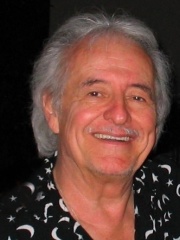
Henry Darrow
ACTOR
1933 - 2021
HPI: 55.27
Rank: 452

Fausto Gresini
RACING DRIVER
1961 - 2021
HPI: 55.27
Rank: 453
Bronius Kutavičius
COMPOSER
1932 - 2021
HPI: 55.23
Rank: 454
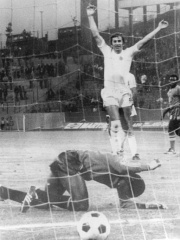
Tubilandu Ndimbi
SOCCER PLAYER
1948 - 2021
HPI: 55.22
Rank: 455

Lawrence Weiner
PAINTER
1942 - 2021
HPI: 55.21
Rank: 456
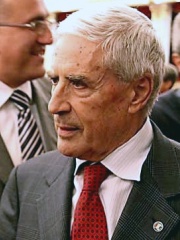
Franco Marini
POLITICIAN
1933 - 2021
HPI: 55.19
Rank: 457

Michael Fisher
PHYSICIST
1931 - 2021
HPI: 55.15
Rank: 458
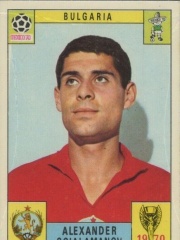
Aleksandar Shalamanov
SOCCER PLAYER
1941 - 2021
HPI: 55.09
Rank: 459
Giuseppe Galante
ATHLETE
1937 - 2021
HPI: 55.08
Rank: 460
In ليتوانيا
Among people born in ليتوانيا, Bronius Kutavičius ranks 174 out of NaN. Before him are Steponas Kairys (1879), Stasys Girėnas (1893), Lena Valaitis (1943), Vincentas Sladkevičius (1920), Valdemaras Chomičius (1959), and Marian Turski (1926). After him are Ignaty Krachkovsky (1883), Georgy Ivanov (1894), Rolandas Makrickas (1972), Gediminas Vagnorius (1957), Aleksander Prystor (1874), and Petras Cvirka (1909).
Others born in ليتوانيا
Go to all Rankings
Steponas Kairys
POLITICIAN
1879 - 1964
HPI: 55.54
Rank: 168
Stasys Girėnas
PILOT
1893 - 1933
HPI: 55.53
Rank: 169
Lena Valaitis
SINGER
1943 - Present
HPI: 55.46
Rank: 170
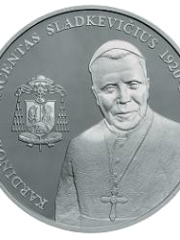
Vincentas Sladkevičius
RELIGIOUS FIGURE
1920 - 2000
HPI: 55.46
Rank: 171
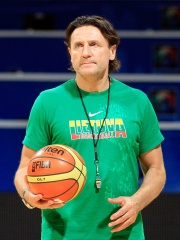
Valdemaras Chomičius
BASKETBALL PLAYER
1959 - Present
HPI: 55.46
Rank: 172
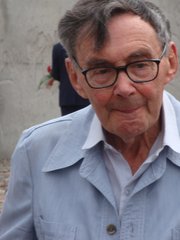
Marian Turski
HISTORIAN
1926 - 2025
HPI: 55.36
Rank: 173
Bronius Kutavičius
COMPOSER
1932 - 2021
HPI: 55.23
Rank: 174

Ignaty Krachkovsky
RELIGIOUS FIGURE
1883 - 1951
HPI: 55.10
Rank: 175
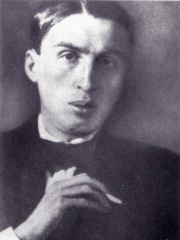
Georgy Ivanov
WRITER
1894 - 1958
HPI: 55.02
Rank: 176

Rolandas Makrickas
RELIGIOUS FIGURE
1972 - Present
HPI: 54.75
Rank: 177

Gediminas Vagnorius
POLITICIAN
1957 - Present
HPI: 54.75
Rank: 178
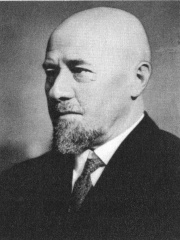
Aleksander Prystor
POLITICIAN
1874 - 1941
HPI: 54.72
Rank: 179
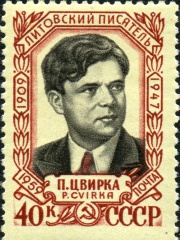
Petras Cvirka
WRITER
1909 - 1947
HPI: 54.38
Rank: 180
Among ملحن In ليتوانيا
Among ملحن born in ليتوانيا, Bronius Kutavičius ranks 4. Before him are César Cui (1835), Maximilian Steinberg (1883), and Emil Młynarski (1870).
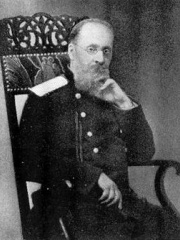
César Cui
1835 - 1918
HPI: 71.42
Rank: 1
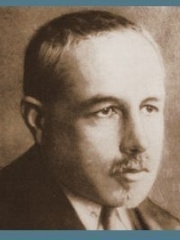
Maximilian Steinberg
1883 - 1946
HPI: 59.02
Rank: 2
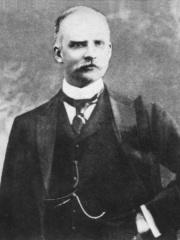
Emil Młynarski
1870 - 1935
HPI: 57.68
Rank: 3
Bronius Kutavičius
1932 - 2021
HPI: 55.23
Rank: 4




